AfterLand is a research project focusing on wetlands, in particular the Danube Delta in Romania. For this preliminary edition, the project was divided between a field research in diverse locations of the Danube Delta such as Tulcea, Mila 23 and Letea, and an art exhibition in Bucharest. For this occasion, we invited 7 artists and 2 cultural managers to take part in the co-construction of its foundations.
The project was organised in this way in order to raise awareness among a wider audience of the possible alternative narratives in addressing environmental and social challenges through the exhibition, on the one hand, and to show the need to slow down when it comes to developing such complex projects, highlighting its importance in building relationships with respect and relevance for its human and more-than-human communities, on the other.
AfterLand
Exhibition on the relation human - more than human and research project focusing on the Danube Delta in Romania.
Dates
04-26 June 2024
Collaboration
AfterLand is an artistic research project focusing on the social and ecological sustainability of the Danube Delta. The aim of the project is to discuss and critically evaluate the catalytic potential of social change through an interdisciplinary approach. The involvement of artists in such research projects has become a powerful means of addressing sensitive issues, providing a platform for stimulating reflection on human behaviour and how it can impact on society and the environment.
We have invited seven artist-researchers who are used to complex research projects on an international scale - Robertina Šebjanič, Clara Boj and Diego Diaz, Sébastien Robert, Mark IJzerman, Ioana Vreme Moser and Floriama Cândea - and two cultural managers who are developing the same type of projects and long-term implementation strategies - Violeta Vasileva (Artshare, S+T+ARTS) and Tatiana Kourochkina (Quo Artis Foundation).
We organised the project in two stages:
A place of discovery ...
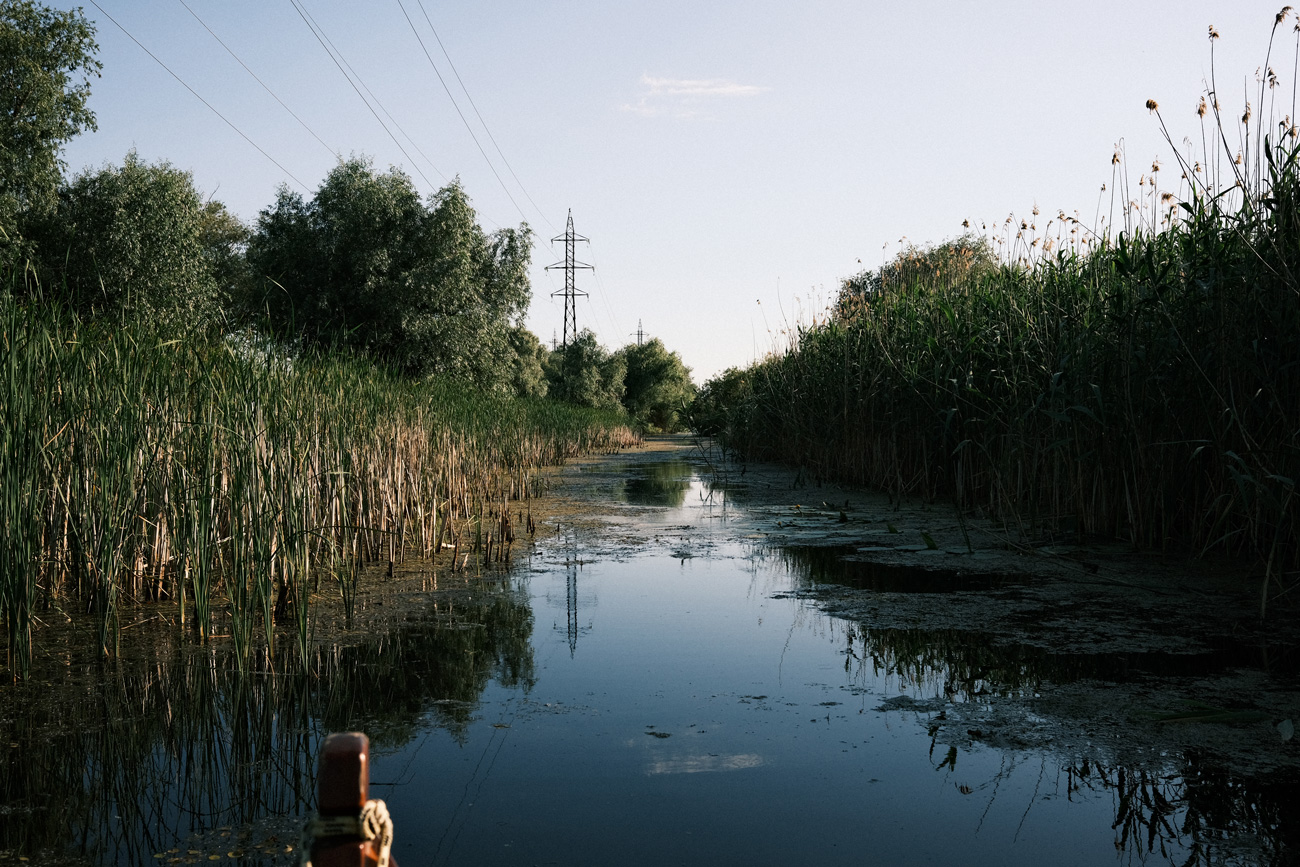
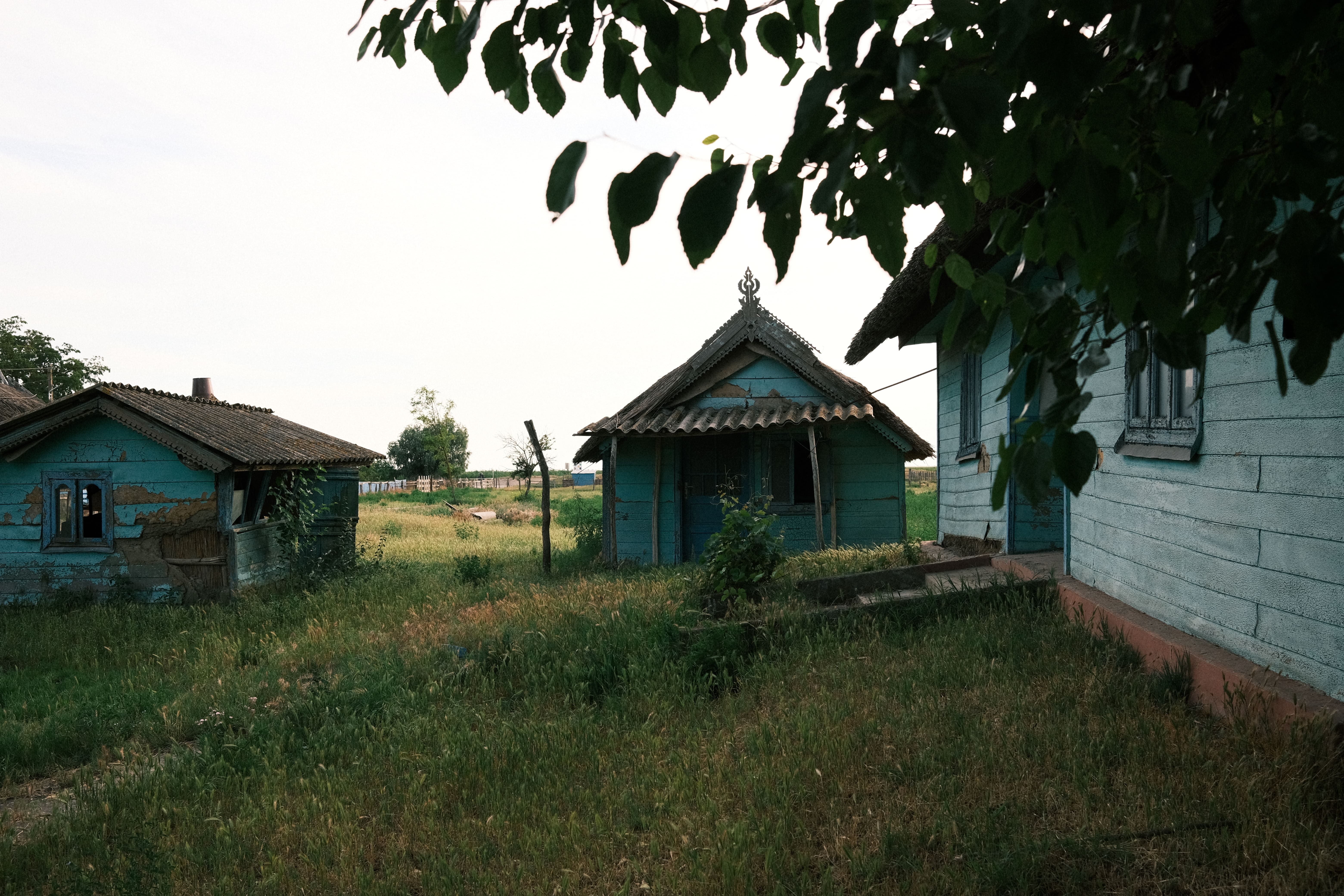
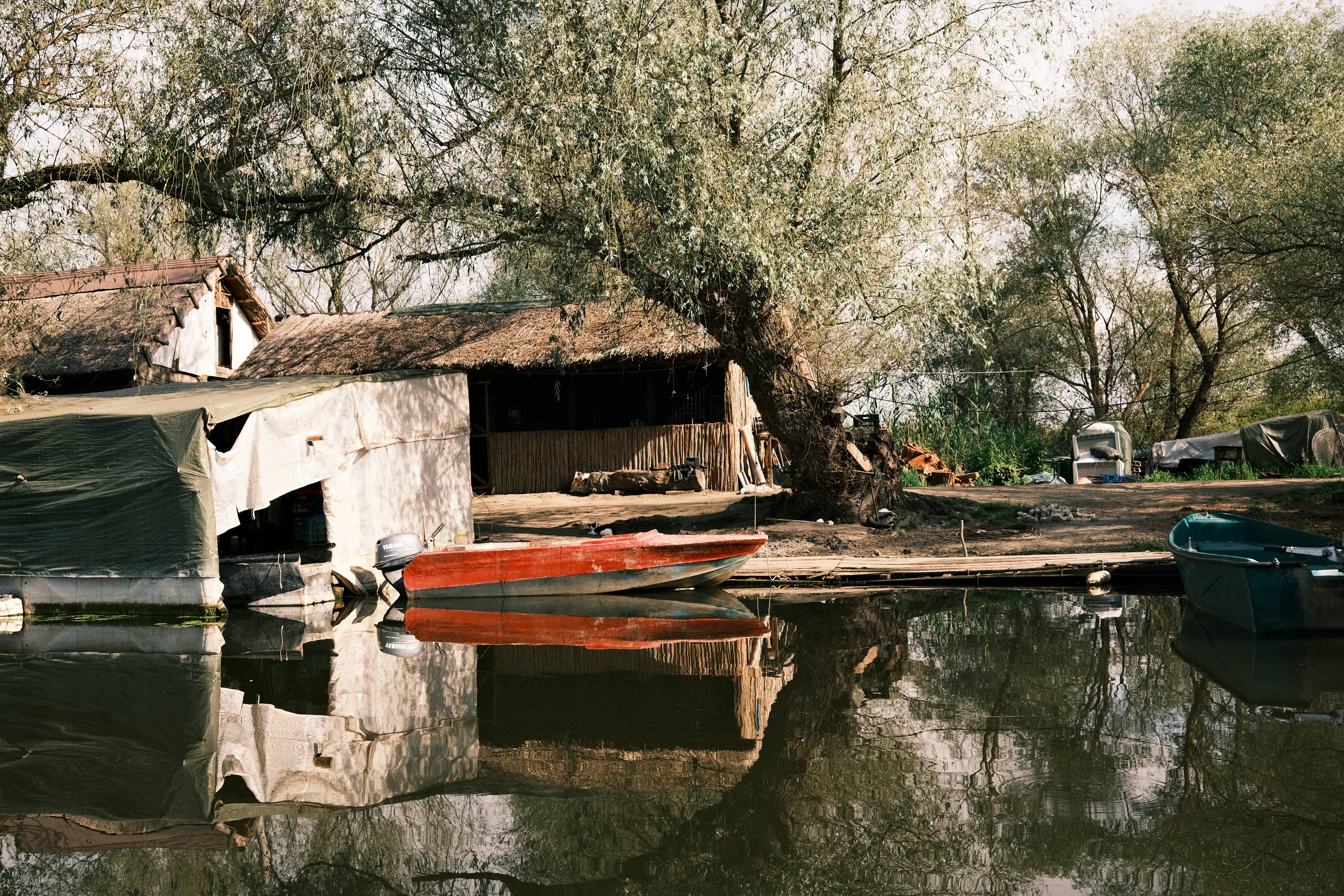
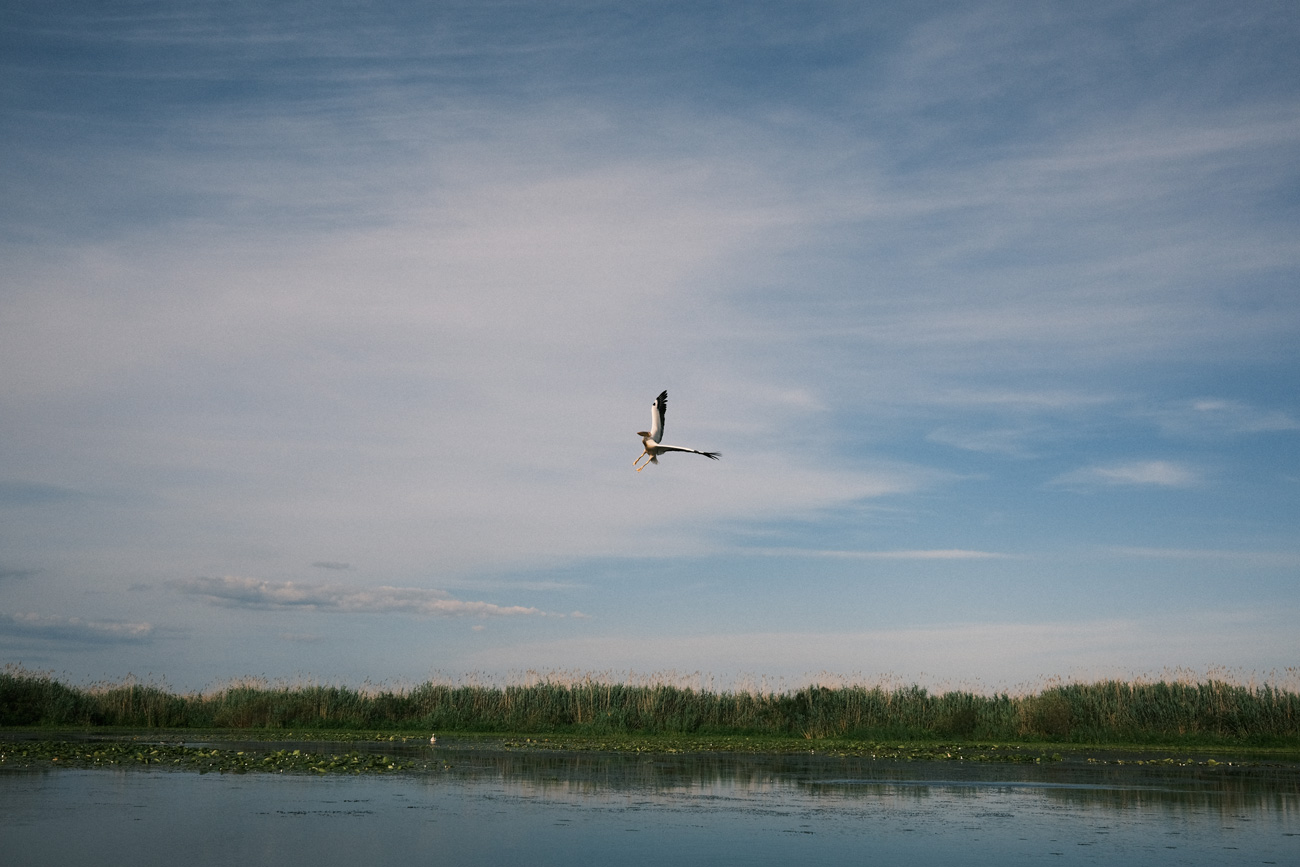
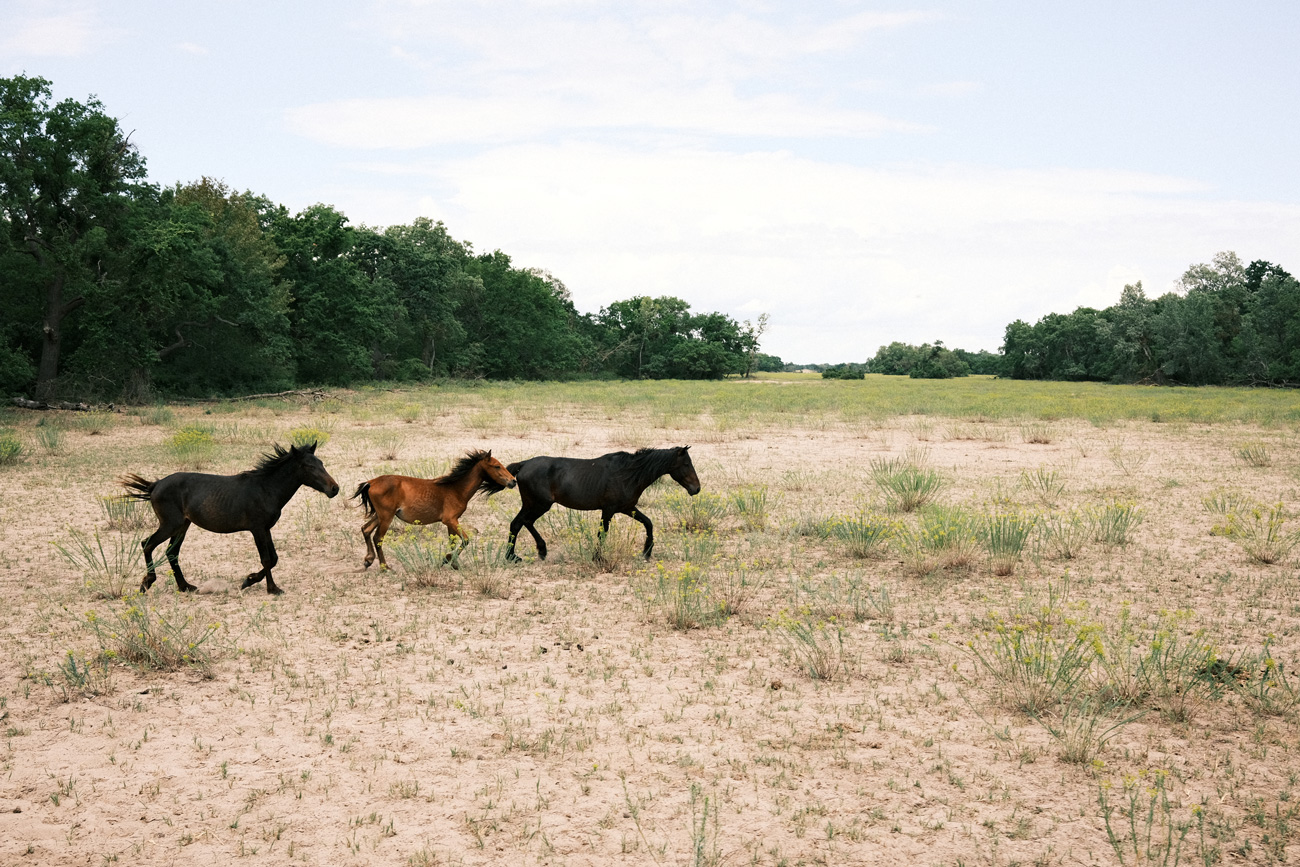
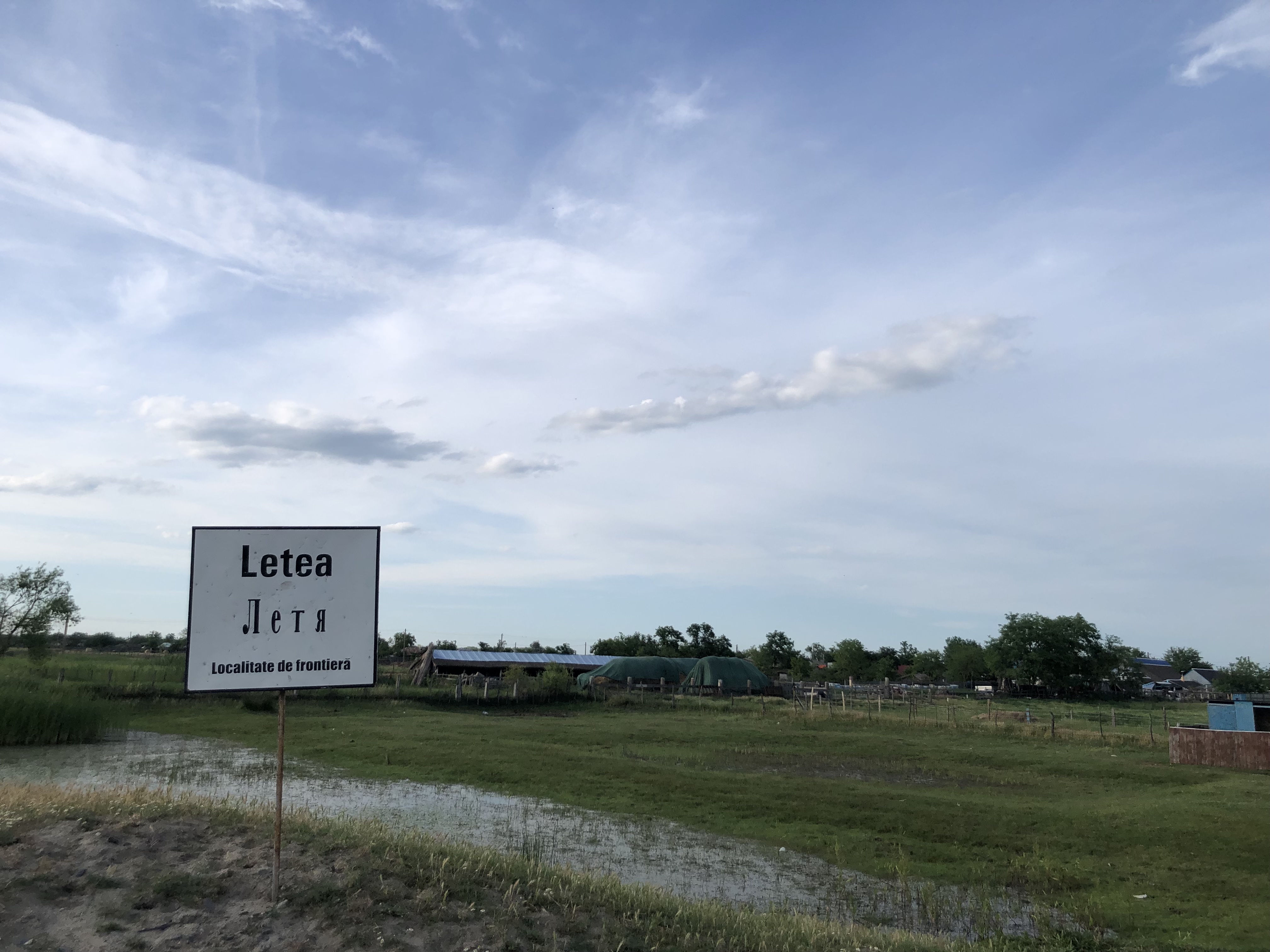
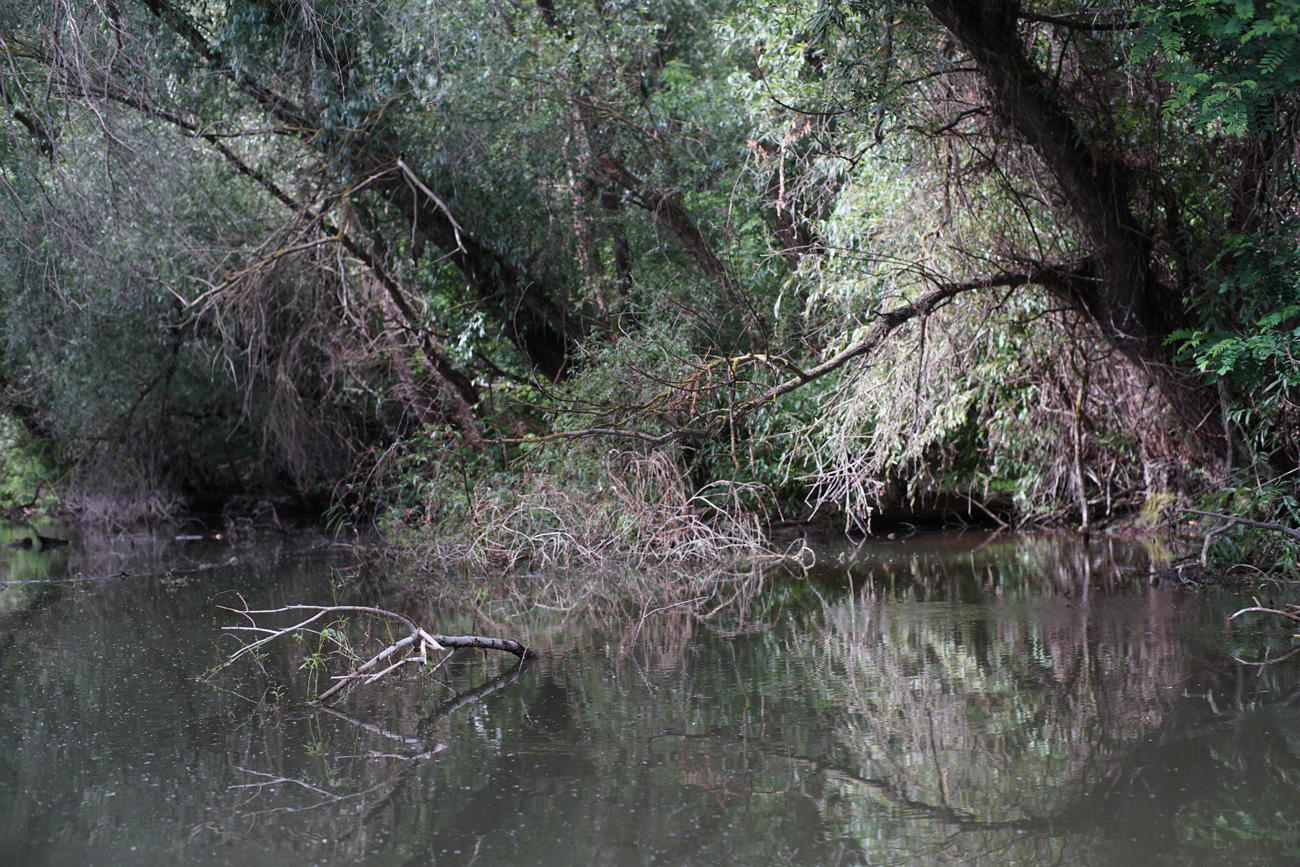
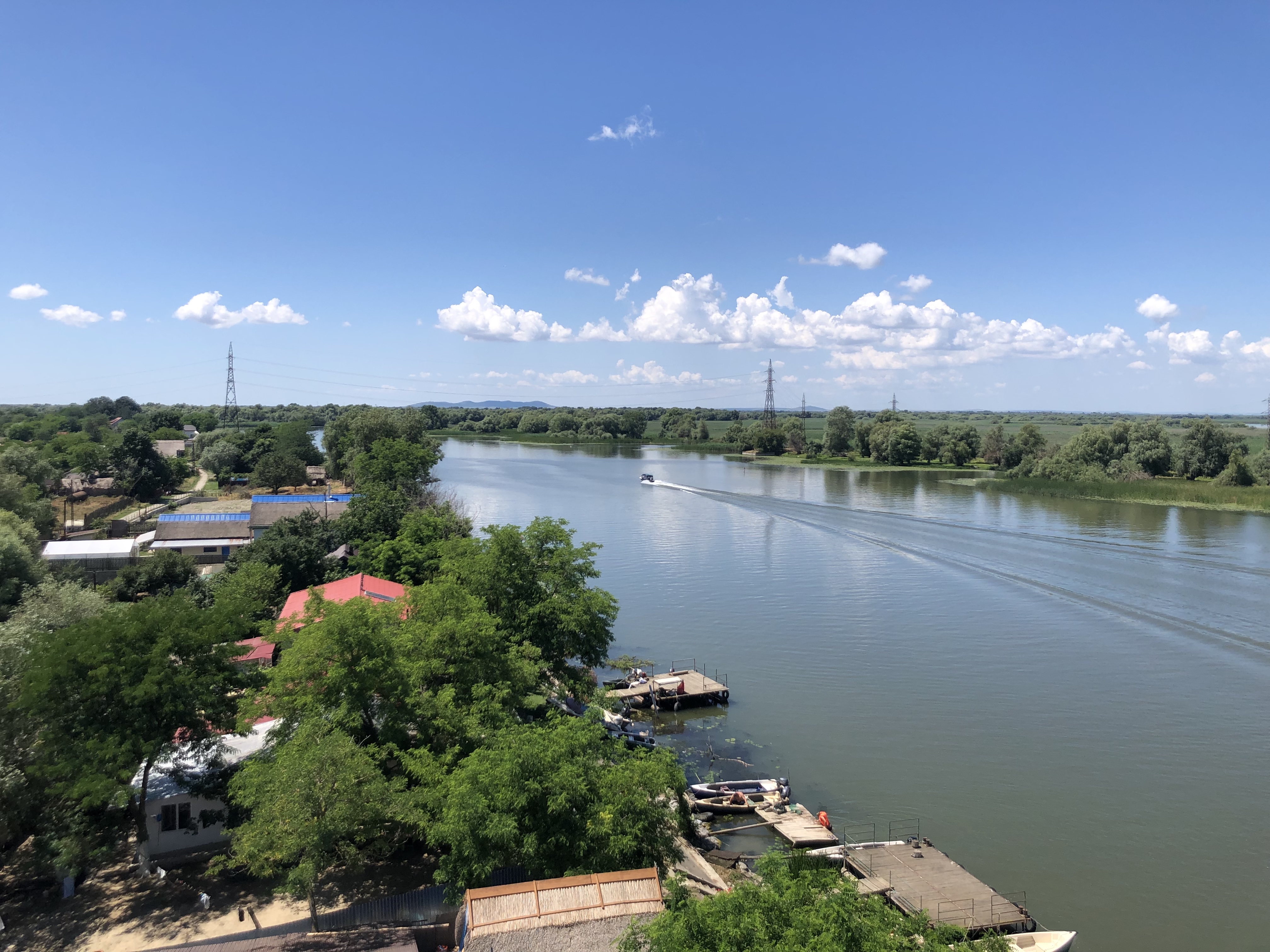
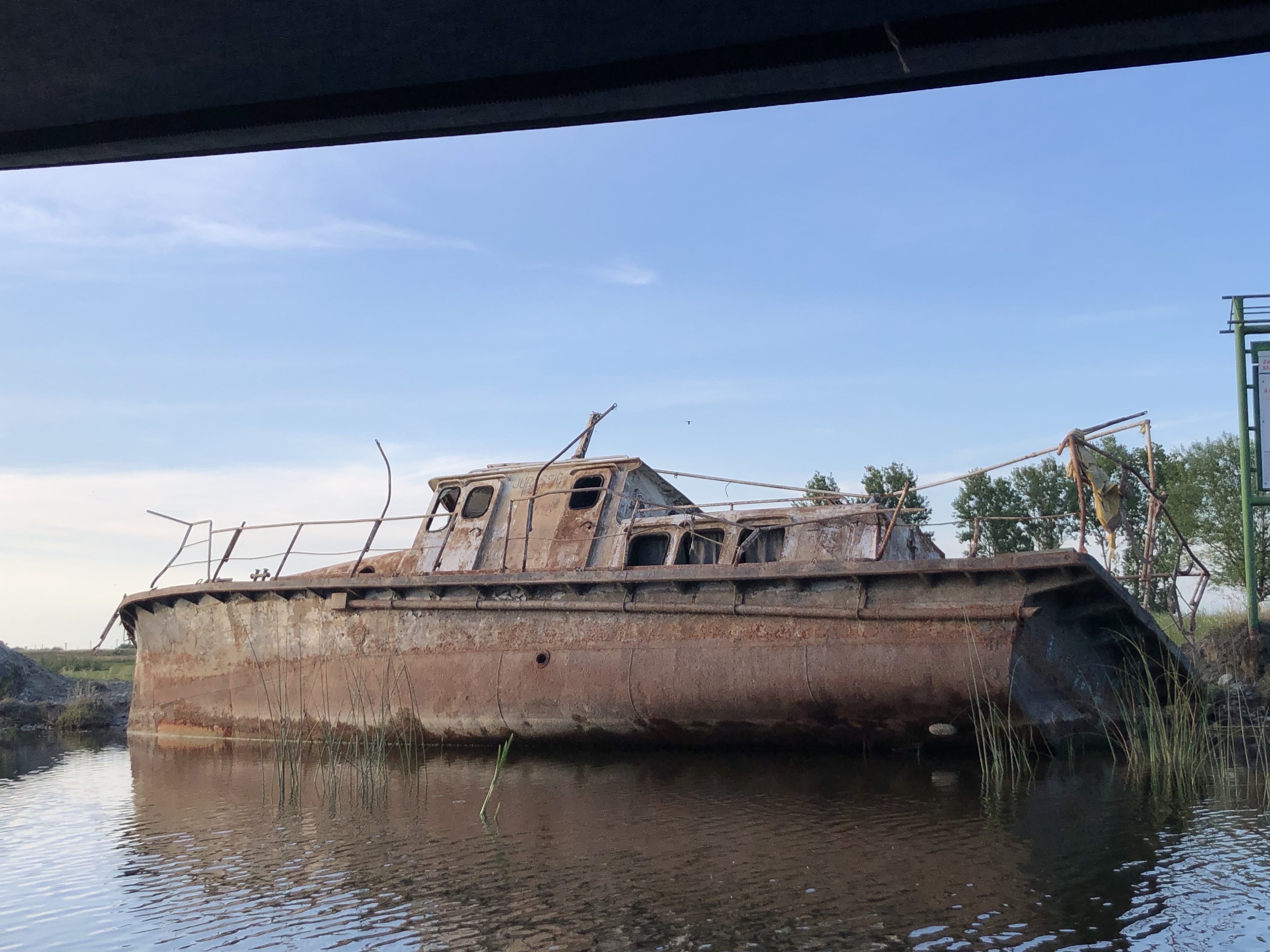
A preliminary field research focused on identifying the environmental, social and economic issues facing the Danube Delta region: during a 3-day stay in the region, we visited researchers at the Danube Delta National Institute, where scientists and artists exchanged views on their work, enabling them to gain a better understanding of the nature of their respective projects and open up a dialogue on possible future collaborations. We visited the more isolated northern part of the Delta, known for its forest embedded in sand dunes, wild horses and abandoned villages. We finished with a collective intelligence session at the Ivan Patzaichin Museum in Mila 23, during which we were able to put down on paper our various impressions, perceptions and questions. These reflections are now being used to devise a long-term strategy that is relevant and respectful of the Delta and its inhabitants, both human and non-human.
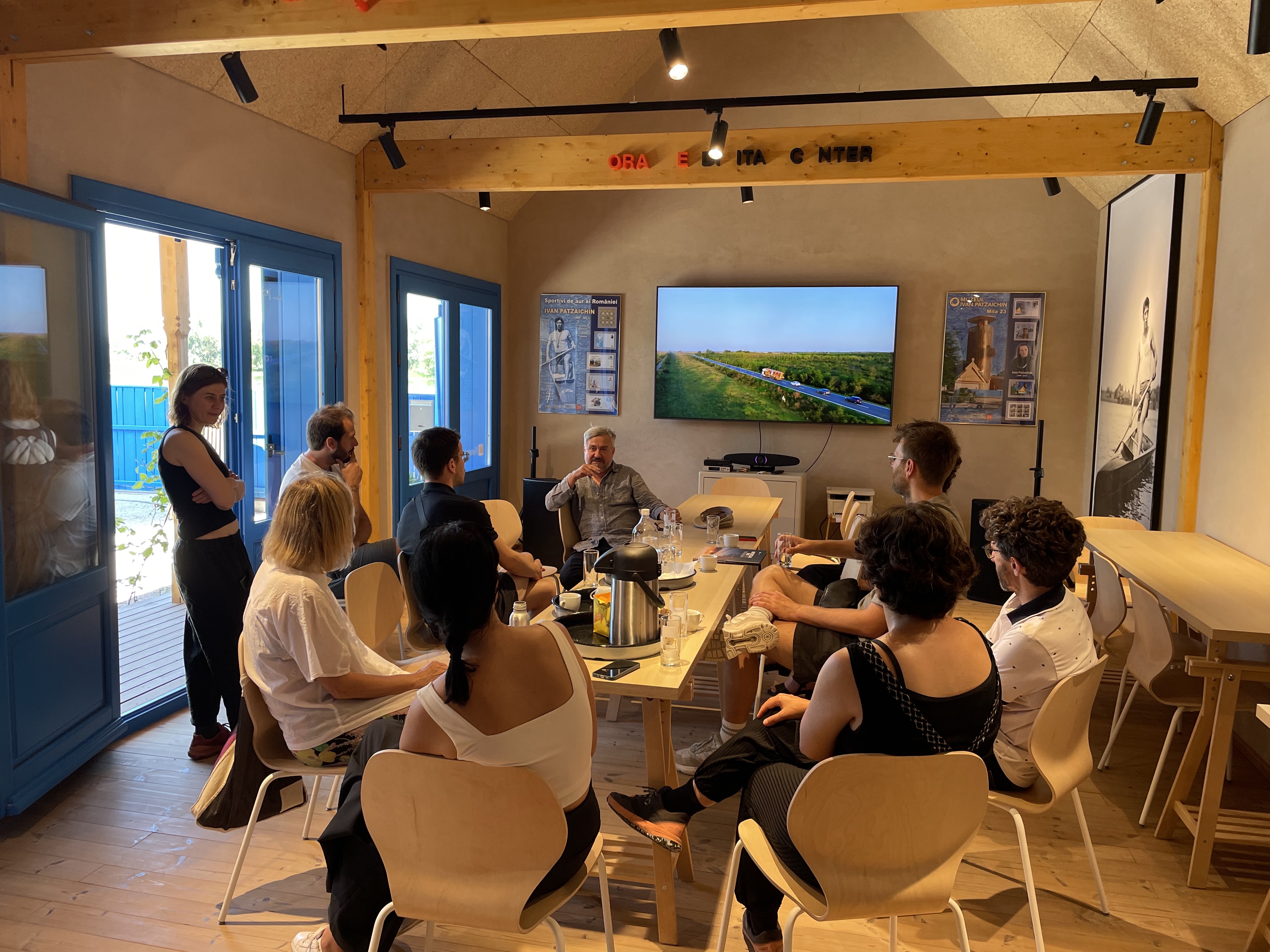
Photo credit : Diane Pricop
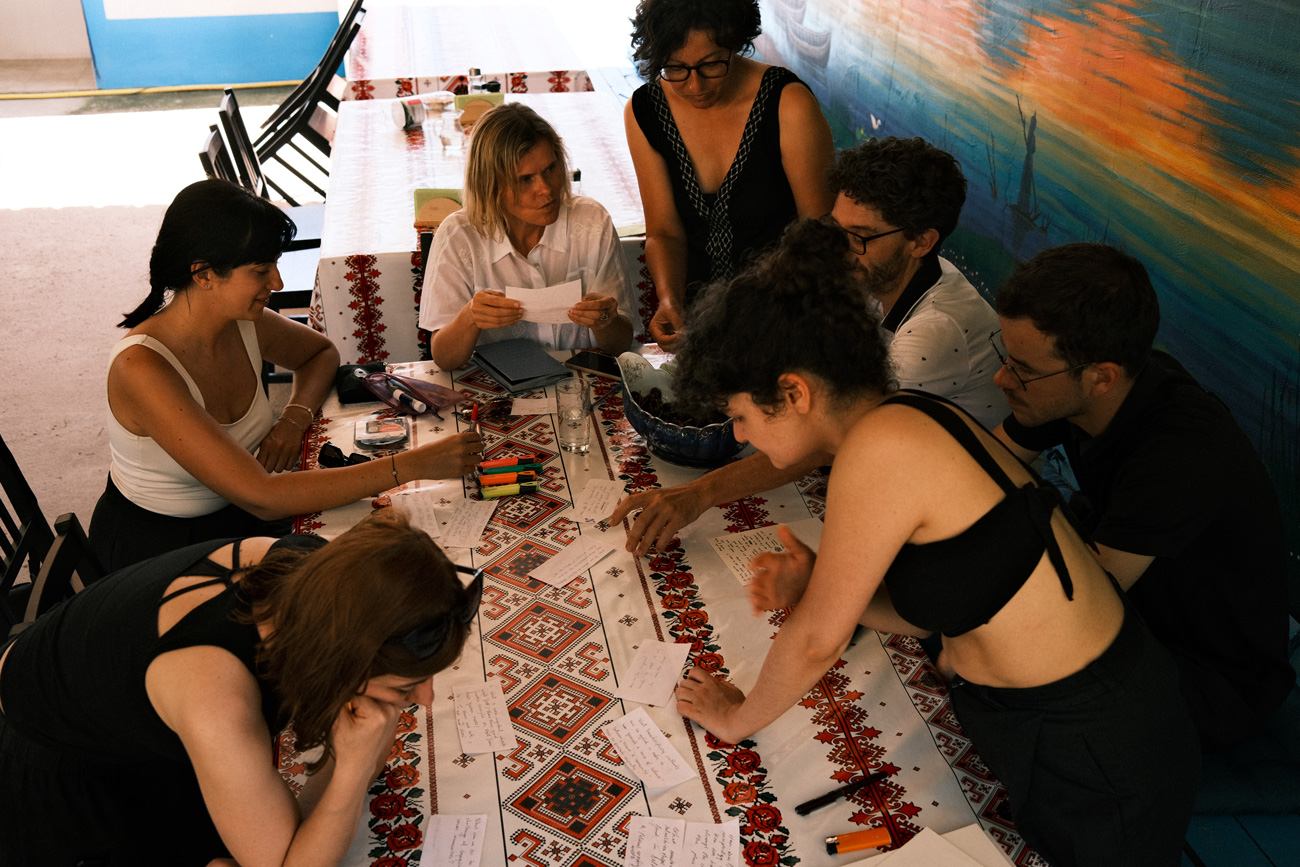
Photo credit : Mark IJzerman
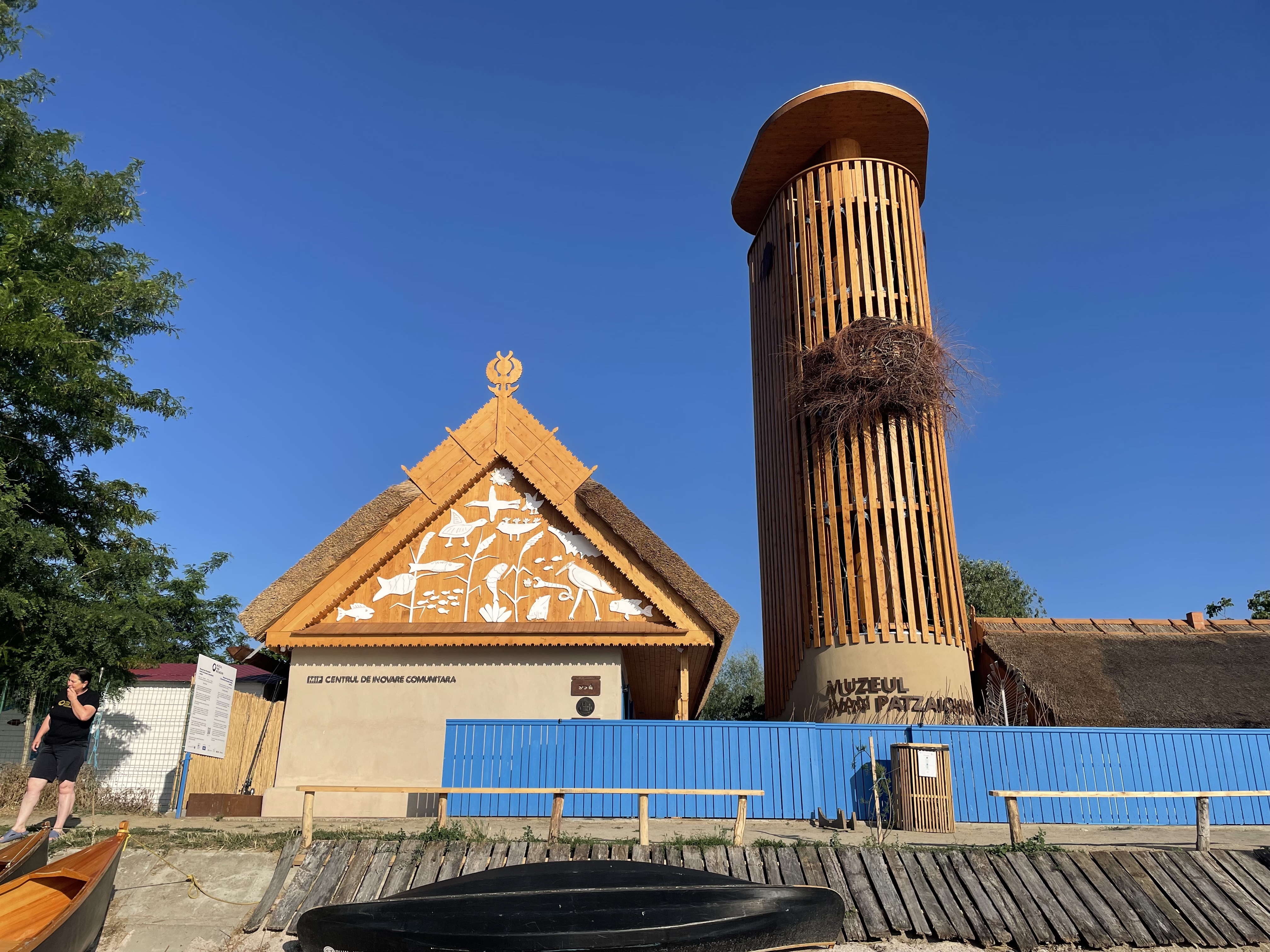
Photo credit : Diane Pricop
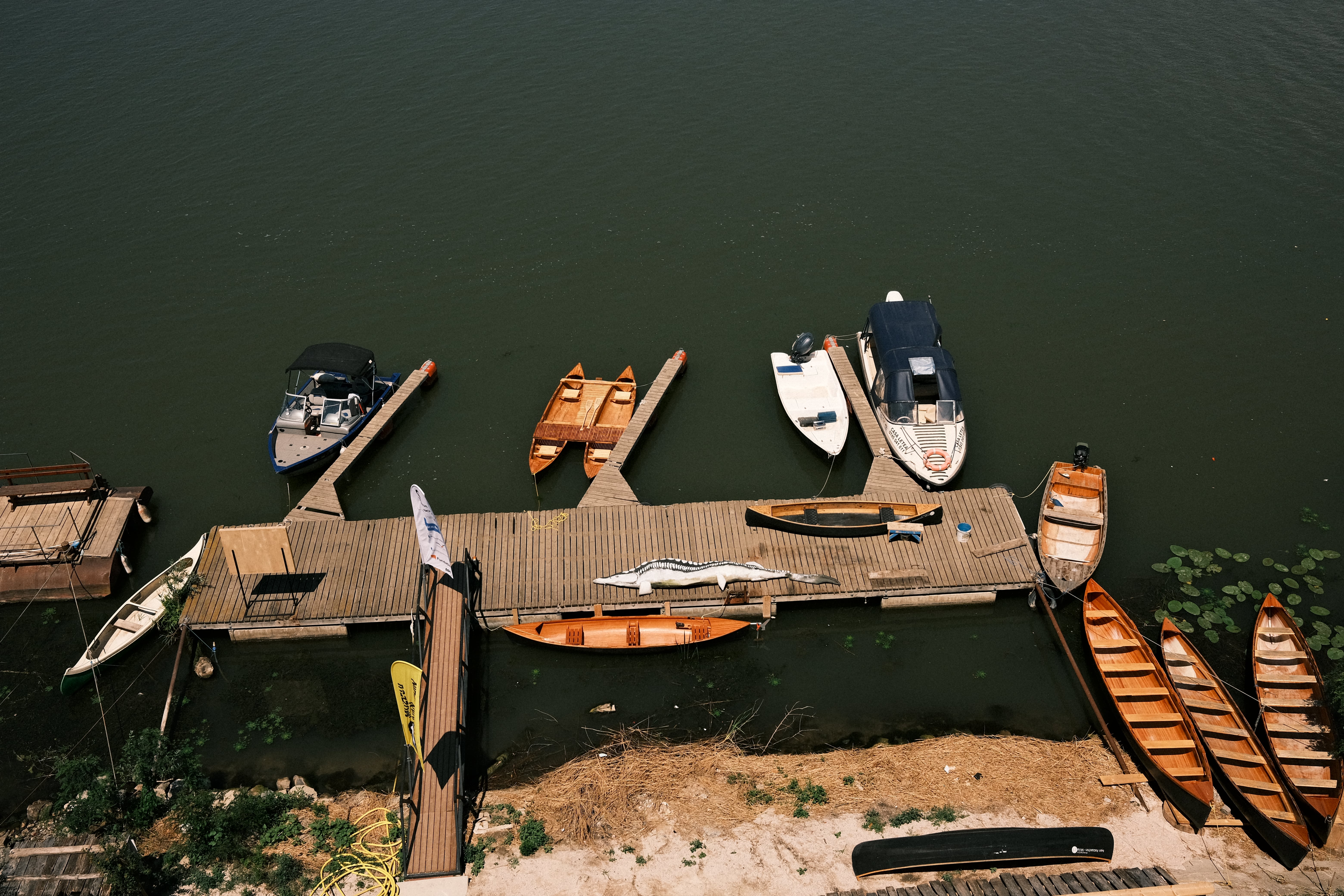
Photo credit : Mark IJzerman
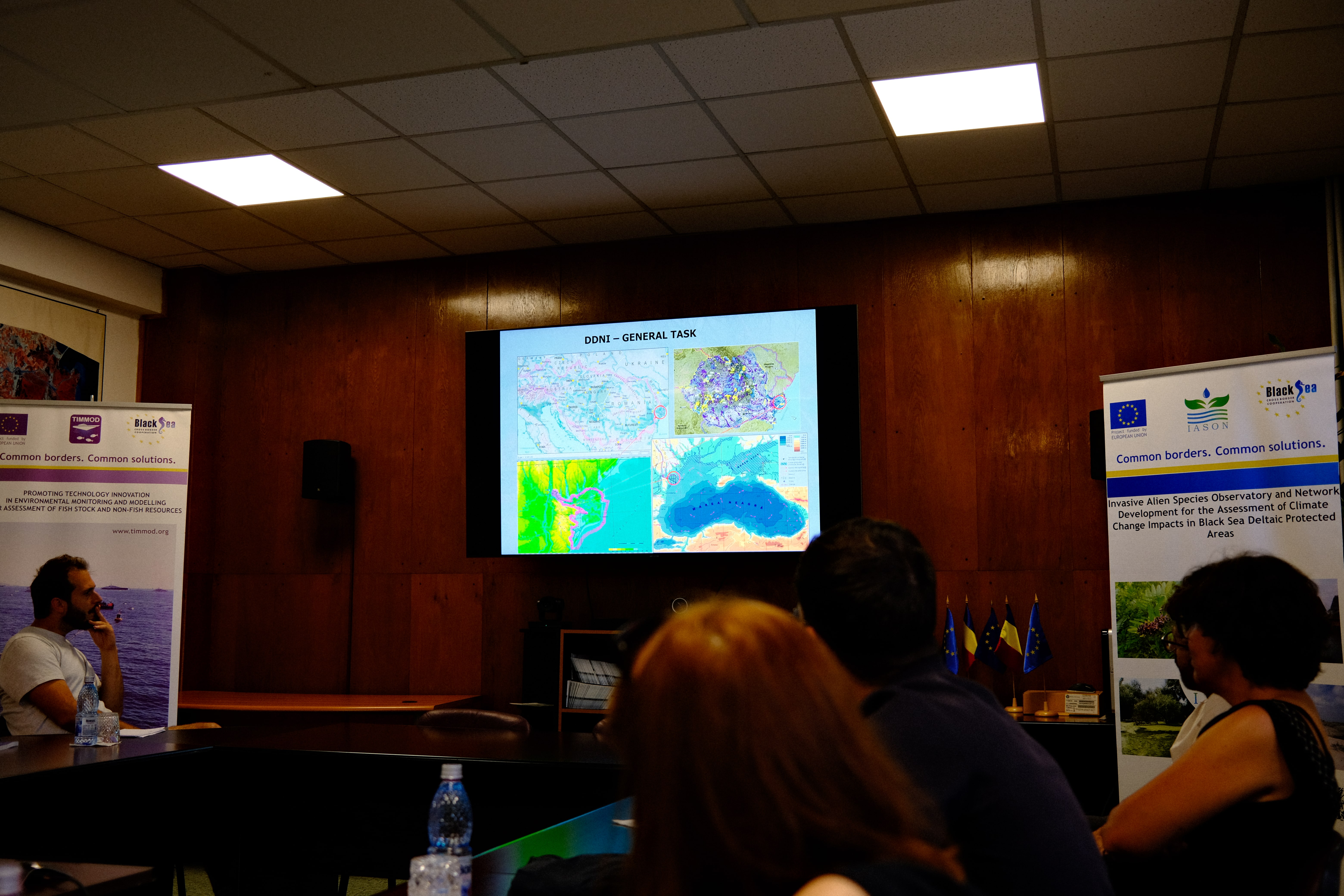
Photo credit : Mark IJzerman
... and an art exhibition
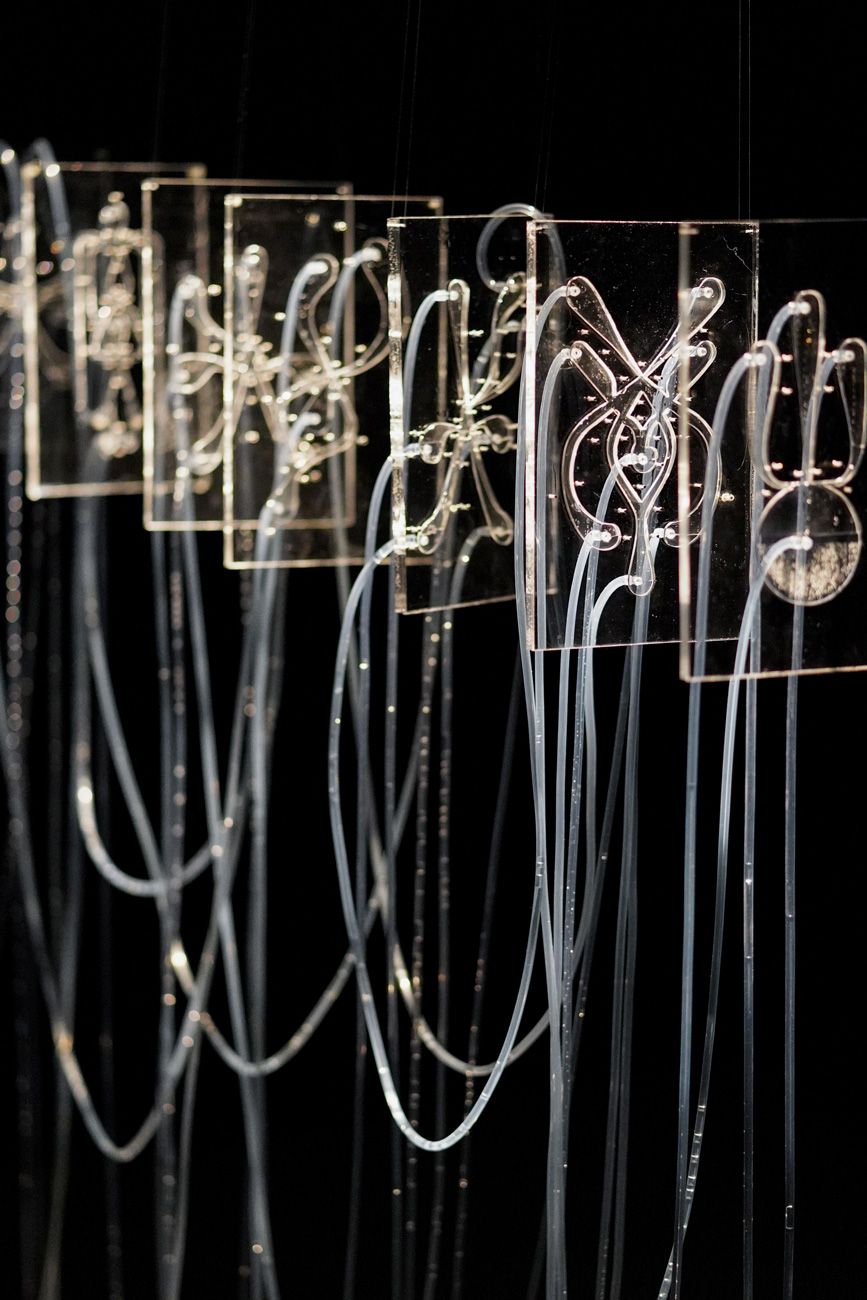
Photo credit : Codre Tudor
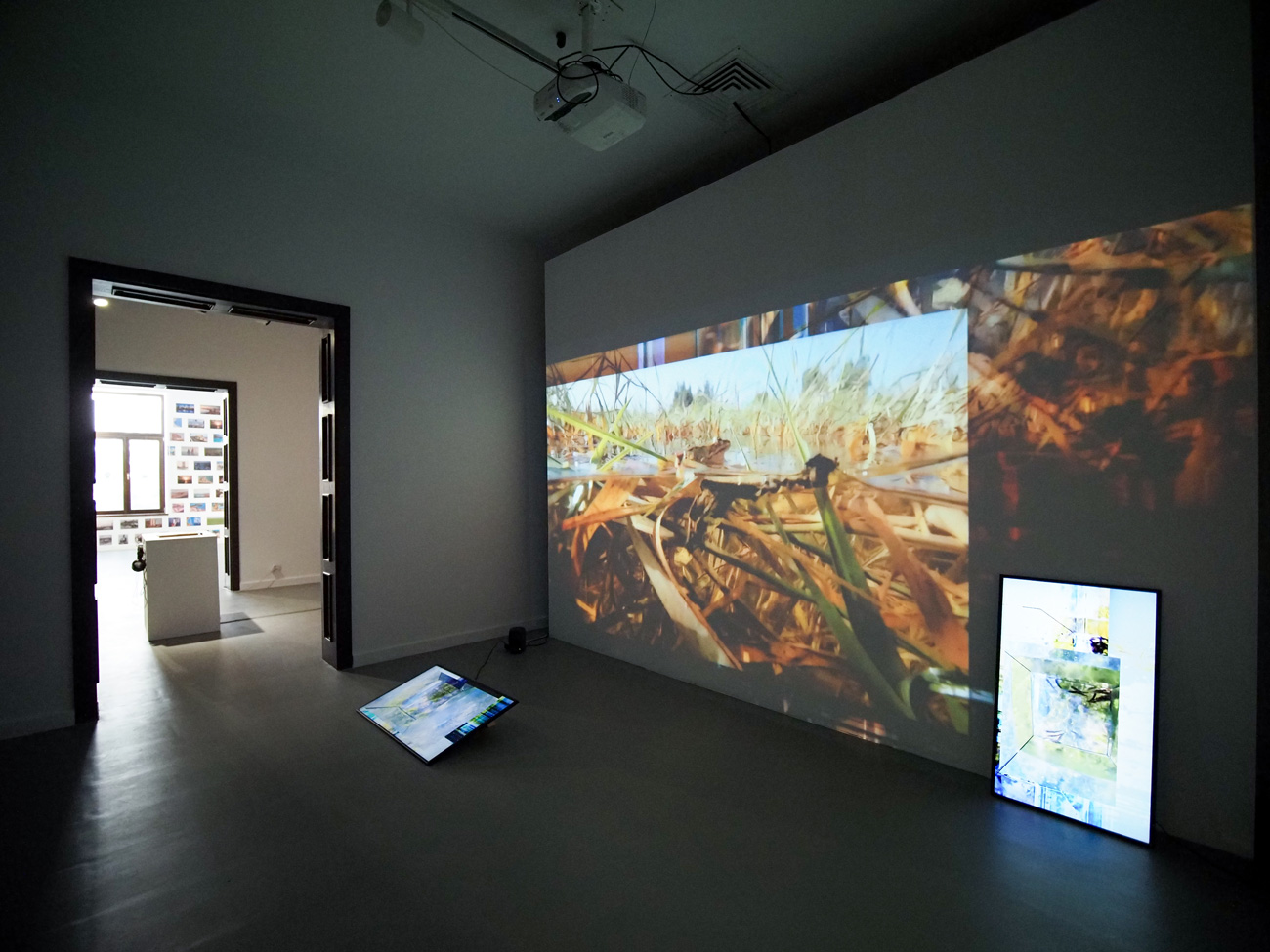
An exhibition dedicated to identifying narratives that can serve as triggers for dialogue between artists, scientists, humanists and the general public. The works of the invited artists each propose a different narrative around water and our relationship with nature, exploring both speculative narratives and concrete actions, but all imbued with a social and ecological engagement. It took place at Rezidenta9 between 4 and 26 June 2024.
The projects presented:
- Robertina Šebjanič explores the biological, chemical, (geo)political and cultural realities of European rivers and the human impact in Co_Sonic 1884km2.
- Clara Boj and Diego Diaz study the evolution of a Spanish lagoon that is home to unique biodiversity and is facing exceptional deterioration due to mass tourism in Reset: Mar Menor.
- Sébastien Robert and Mark IJzerman presented 2 works: Timeshift, a sound book about the shift in human perception of space and time when faced with a landscape, and As Above, So Below, a film about the impact of logging in Chile.
- Ioana Vreme Moser questions the Western economic model by re-creating a fluid analogue computer whose mechanisms are based on the circulation of water in Fluid Alphabet.
- Floriama Cândea draws a parallel between biological and artificial life by creating a game of life based on living organisms taken from Bucharest's waterways in Afterlife.
Robertina, Oeuvre
Photo credit : Codre Tudor
Photo credit : Codre Tudor
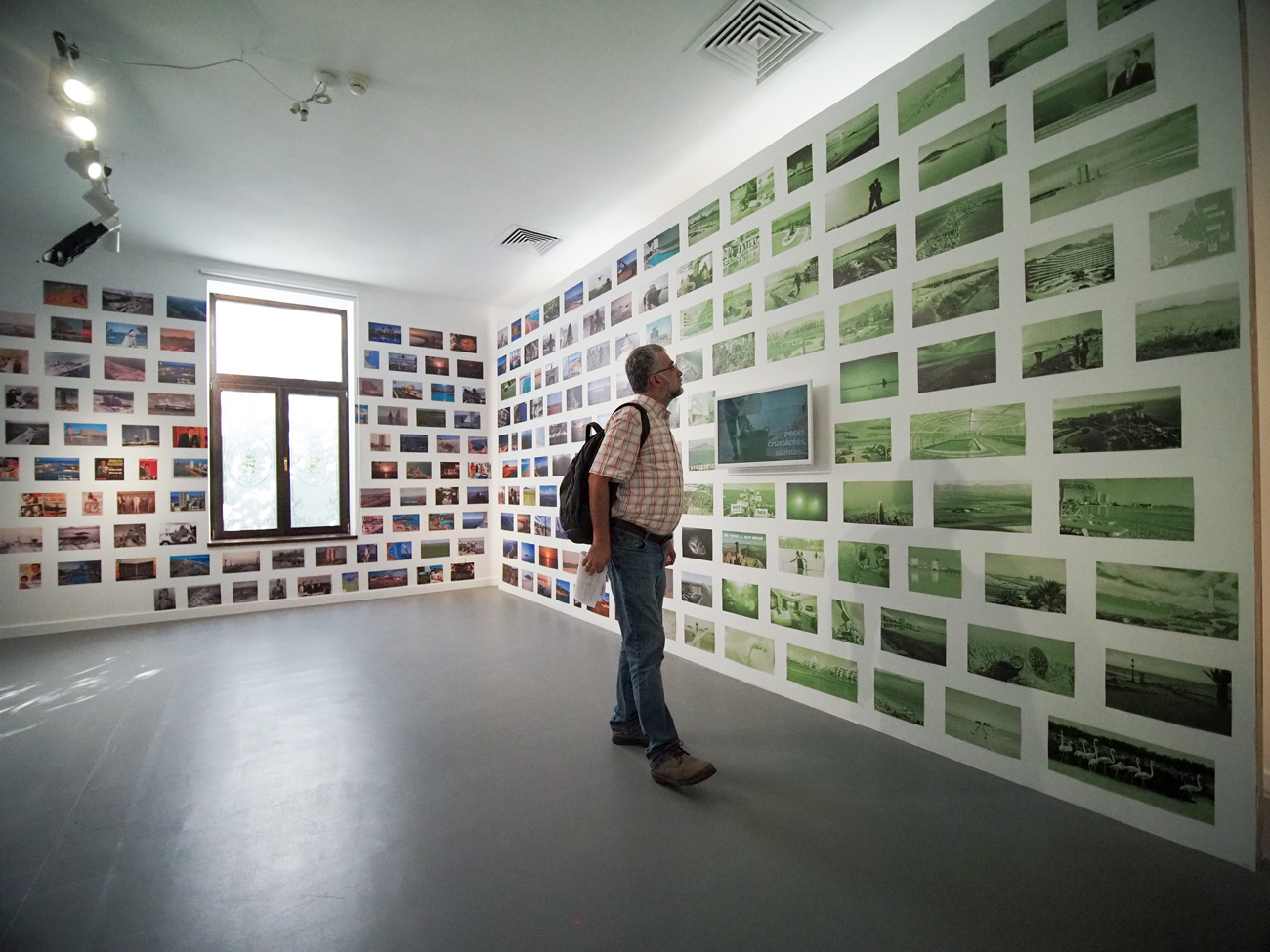
Photo credit : Codre Tudor
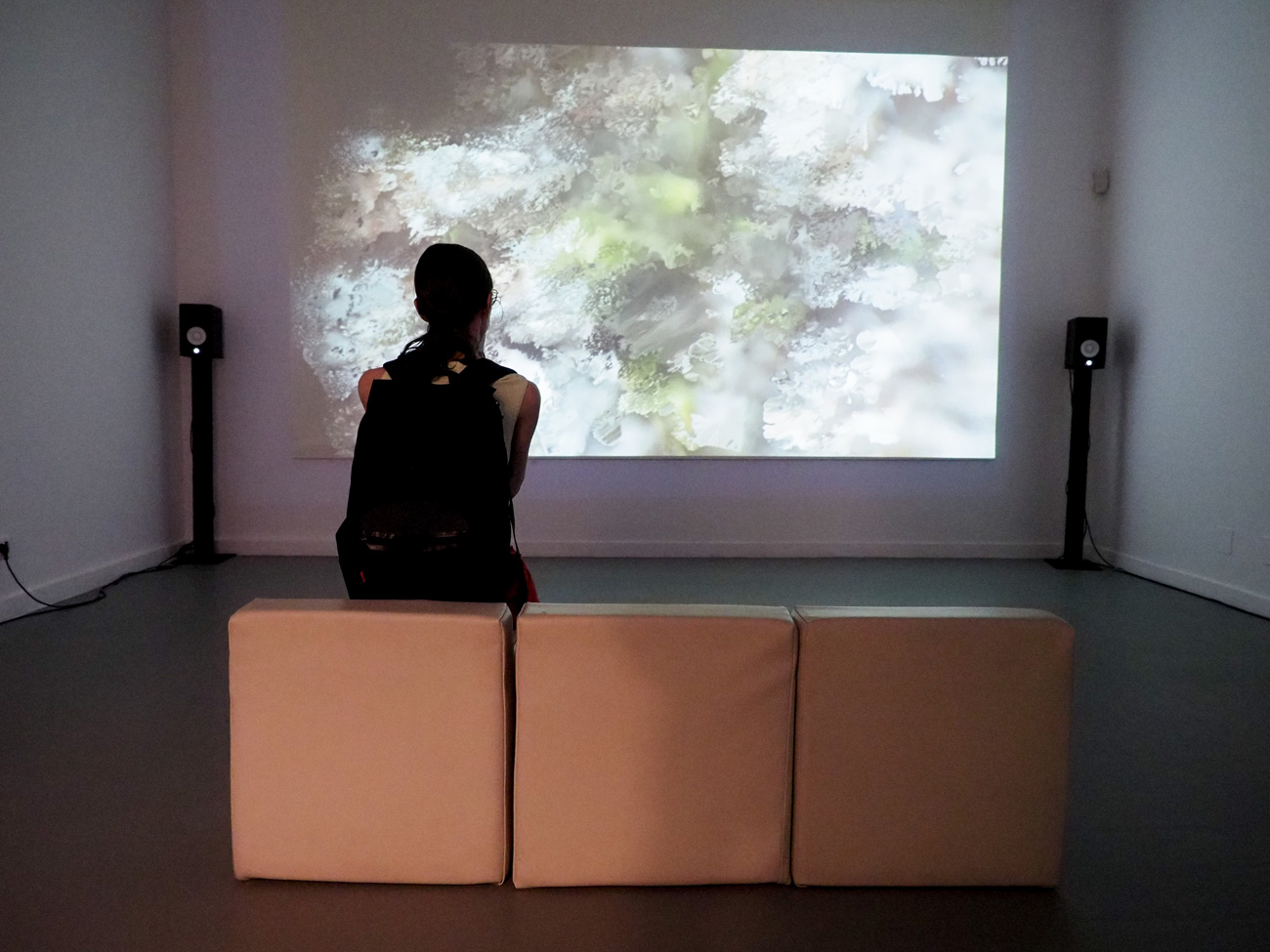
Photo credit : Codre Tudor
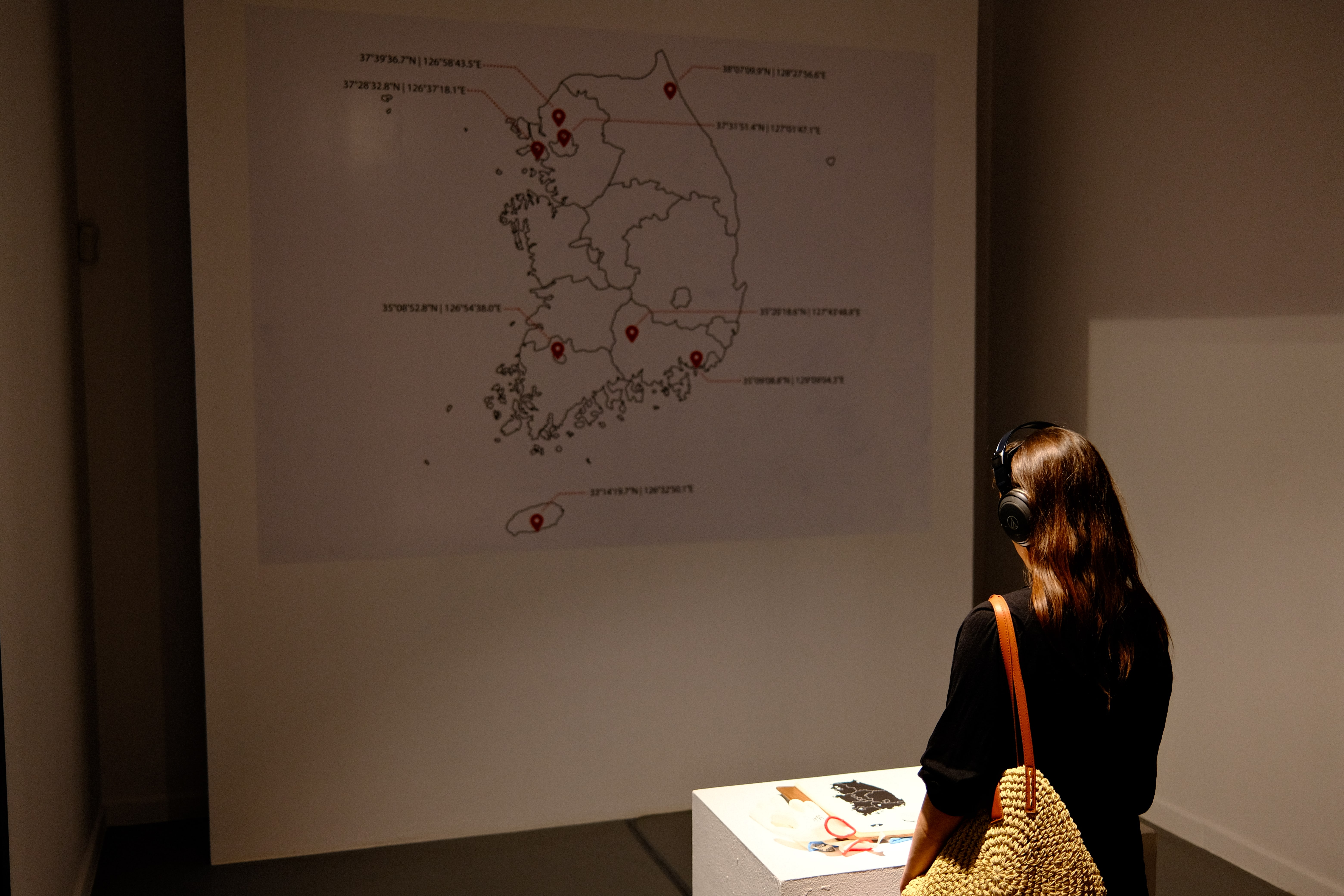
Photo credit : Mark IJzerman
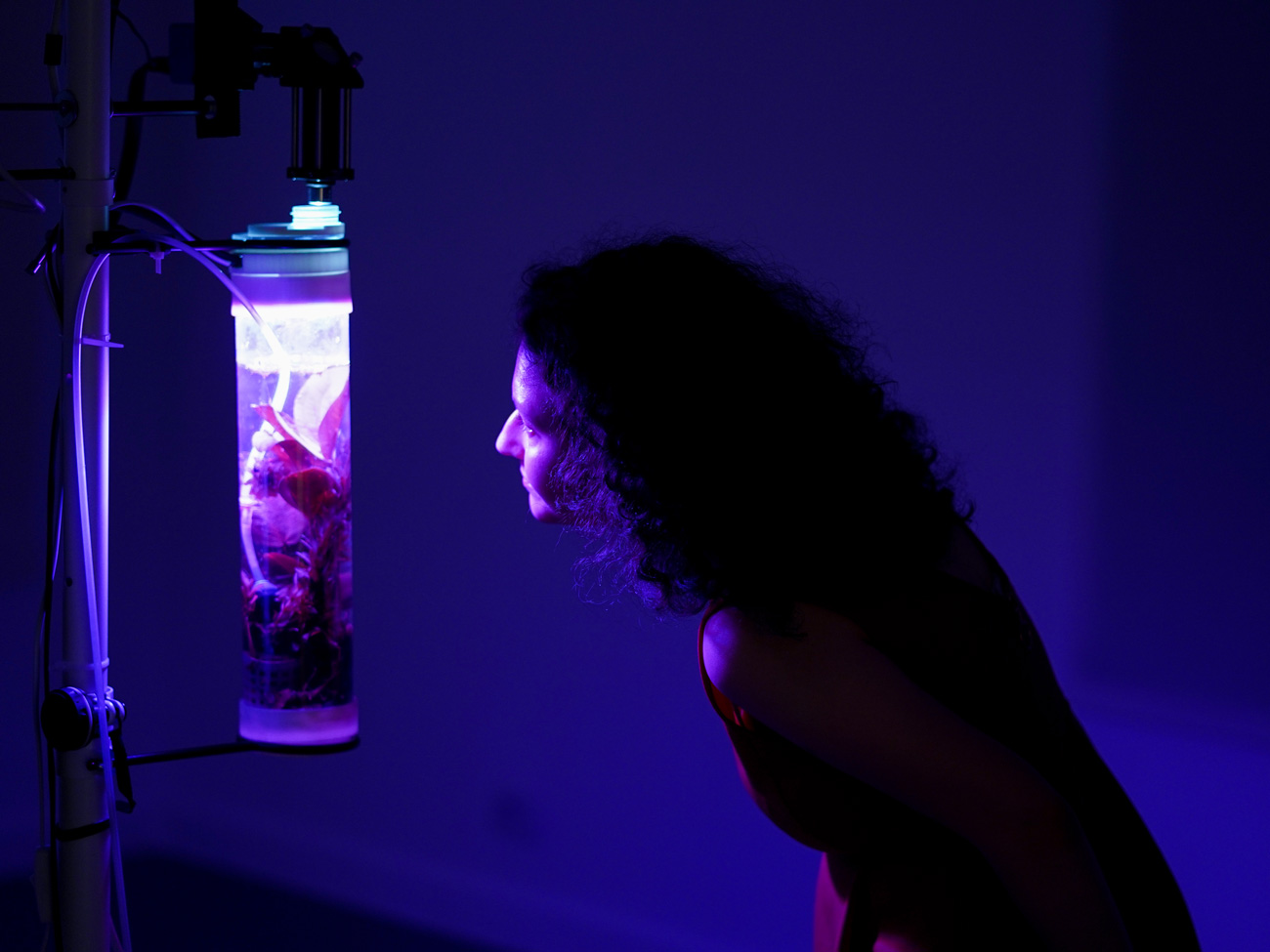
Photo credit : Codre Tudor
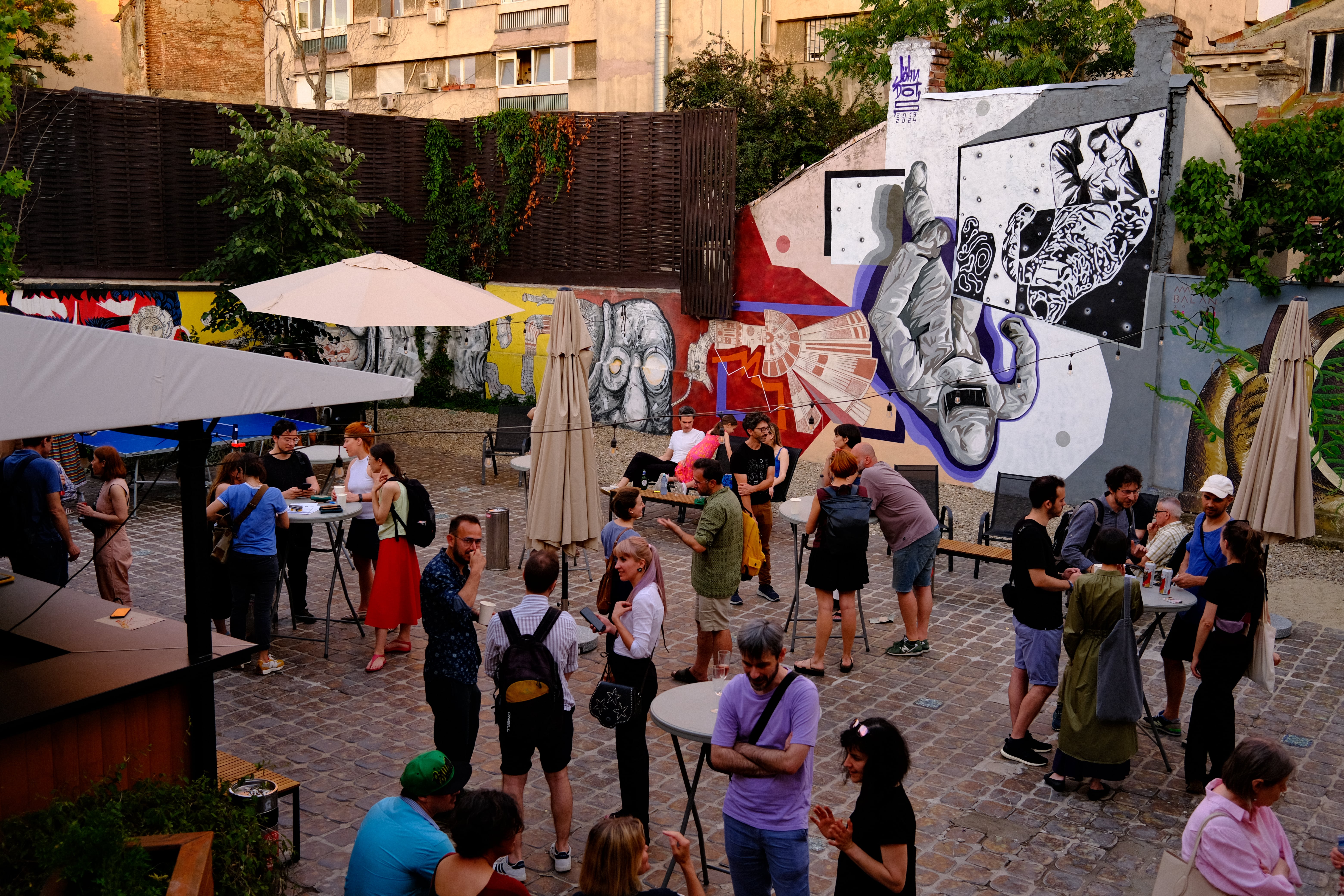
Photo credit : Mark IJzerman
AfterLand sees itself as the initiator of a long series of art-science projects linked to wetlands in Europe and beyond. These projects are currently under construction.
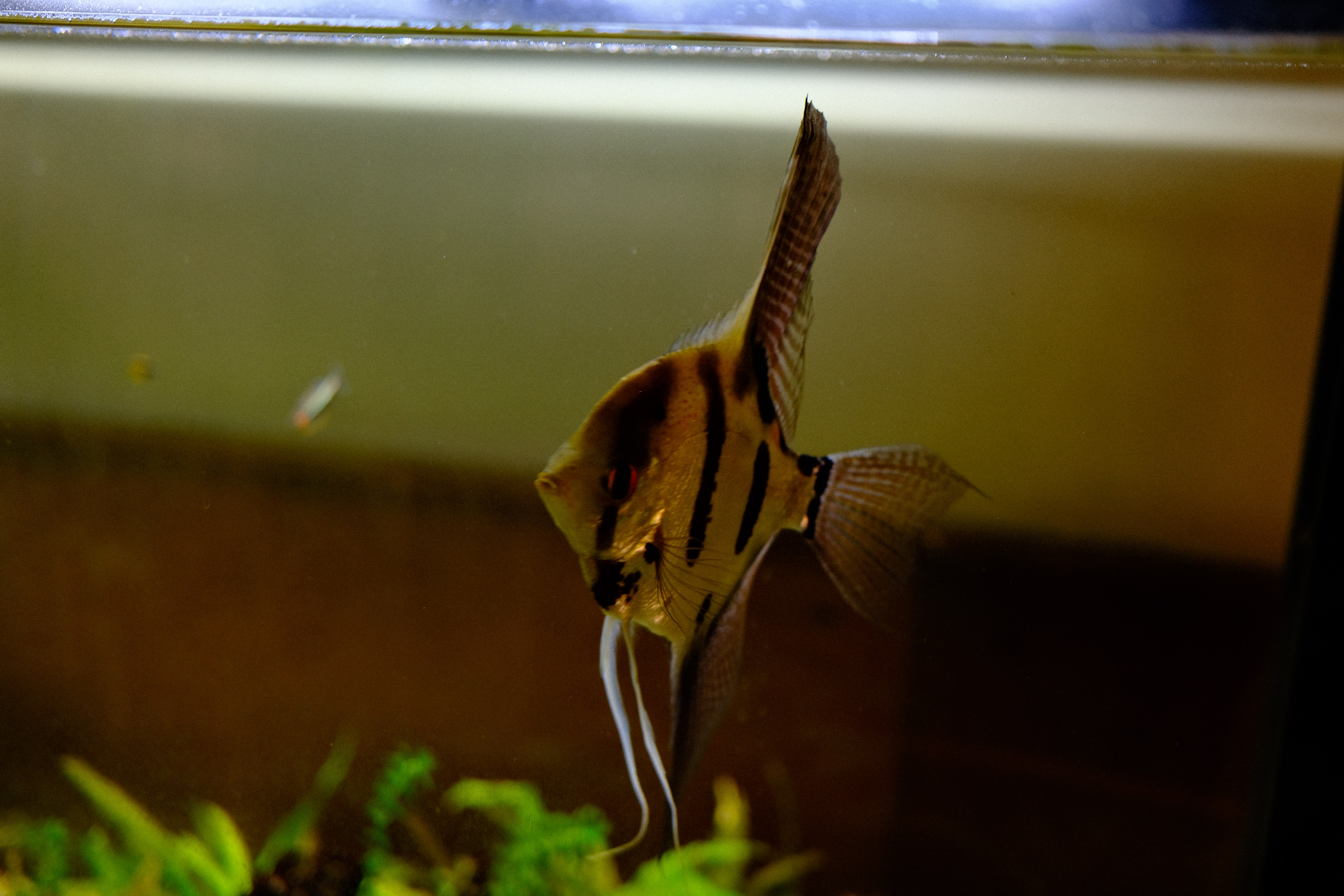
Photo credit : Mark IJzerman
AfterLand is co-funded by the Administration of the National Cultural Fund (AFCN) with the support of the EU through the Culture Moves Europe programme, the Embassy of the Kingdom of the Netherlands and the French Institute of Bucharest. The project does not necessarily represent the position of the Administration of the National Cultural Fund. AFCN is not responsible for the content of the project or how the project results may be used. These are entirely the responsibility of the grantee.
Credits
Organisers
Qolony
Obsolete Studio
Opening AfterLand exhibition
4 June 2024
Rezidenta BRD Scena 9, Bucharest, Romania
Supported by
Cultural and scientific partners
Related Projects and Articles

Ecologias da Água
Residency programme for artistic creation and transmission dedicated to the ecology of water and a sensitive relationship with the living world in rural Portugal.Read more

Lygophilia / Behind-The-Scenes
Lygophilia is an umbrella project for 4 installations and an online publication focusing on the history and symbolism of Mexican axolotls and Slovenian proteus.Read more
pier pressure / Behind-The-Scenes
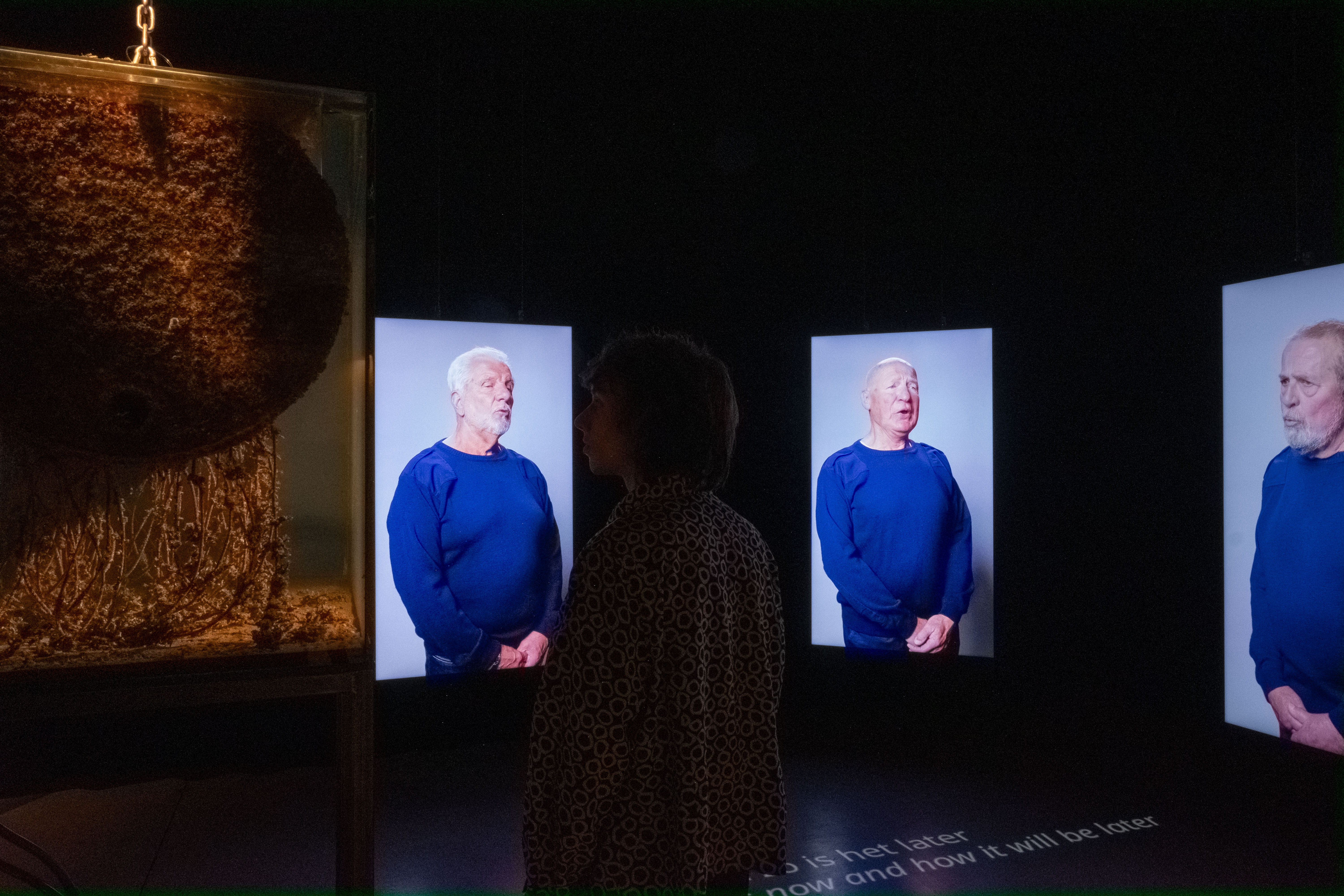
Pier pressure is an installation that contrasts the natural marine ecosystem of the port of Rotterdam with the one built by humans.Read more

Form for Fluid Computer / Behind-The-Scenes
Form for Fluid Computer is an alternative computer art project based on fluidics, a technology forgotten in favour of electronics.Read more

Ioana Vreme Moser / Portraits
Ioana Vreme Moser’s work and career reflect her willingness to address contemporary climate and societal issues, through researching alternatives to new technologies.Read more
Mark IJzerman / Portraits
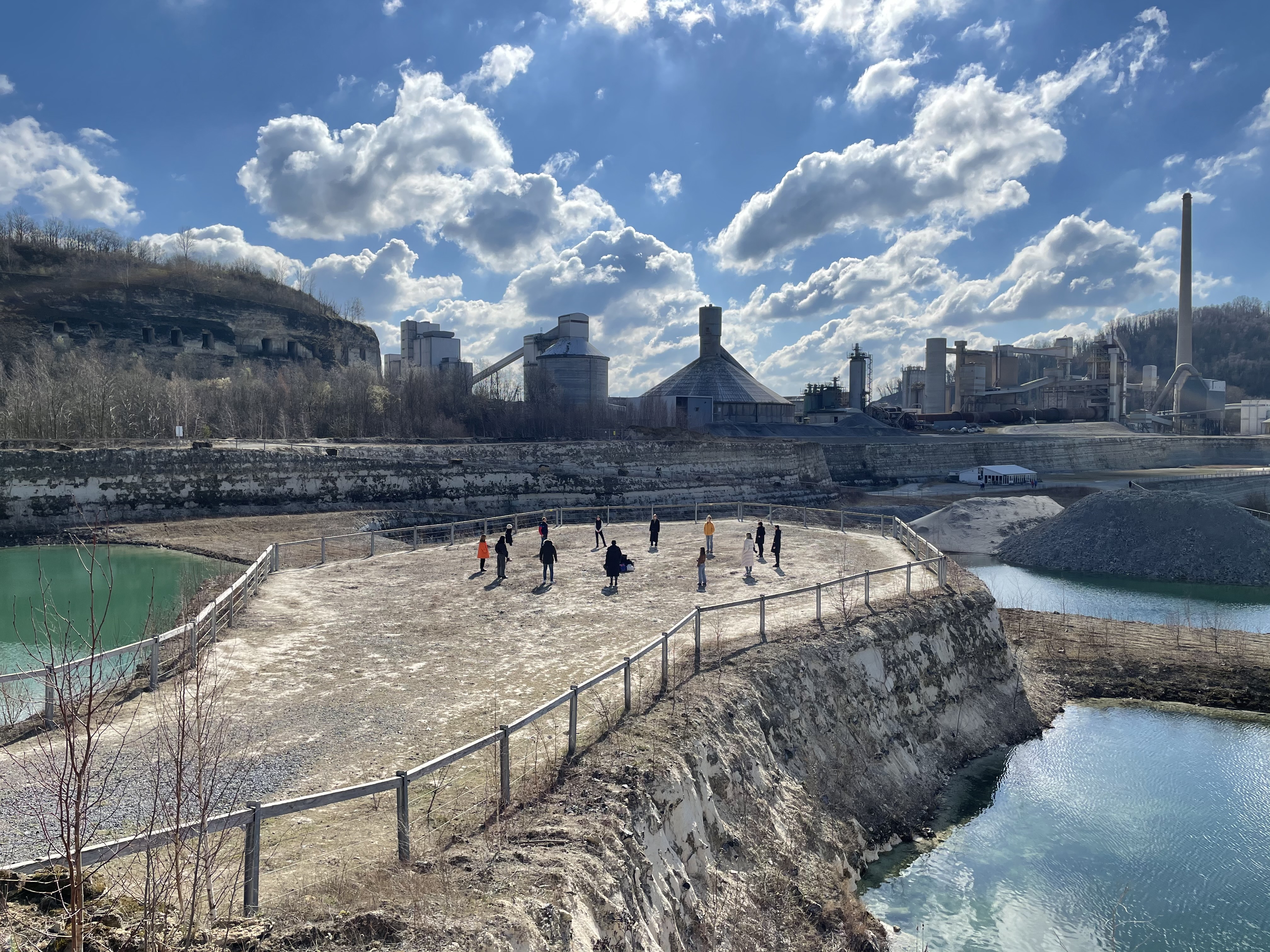
Passionate about the friction between new technologies and ecology, Mark IJzerman encourages us to step back, take a different look at our surroundings and question our choices.Read more
The Lights Which Can Be Heard / Behind-The-Scenes
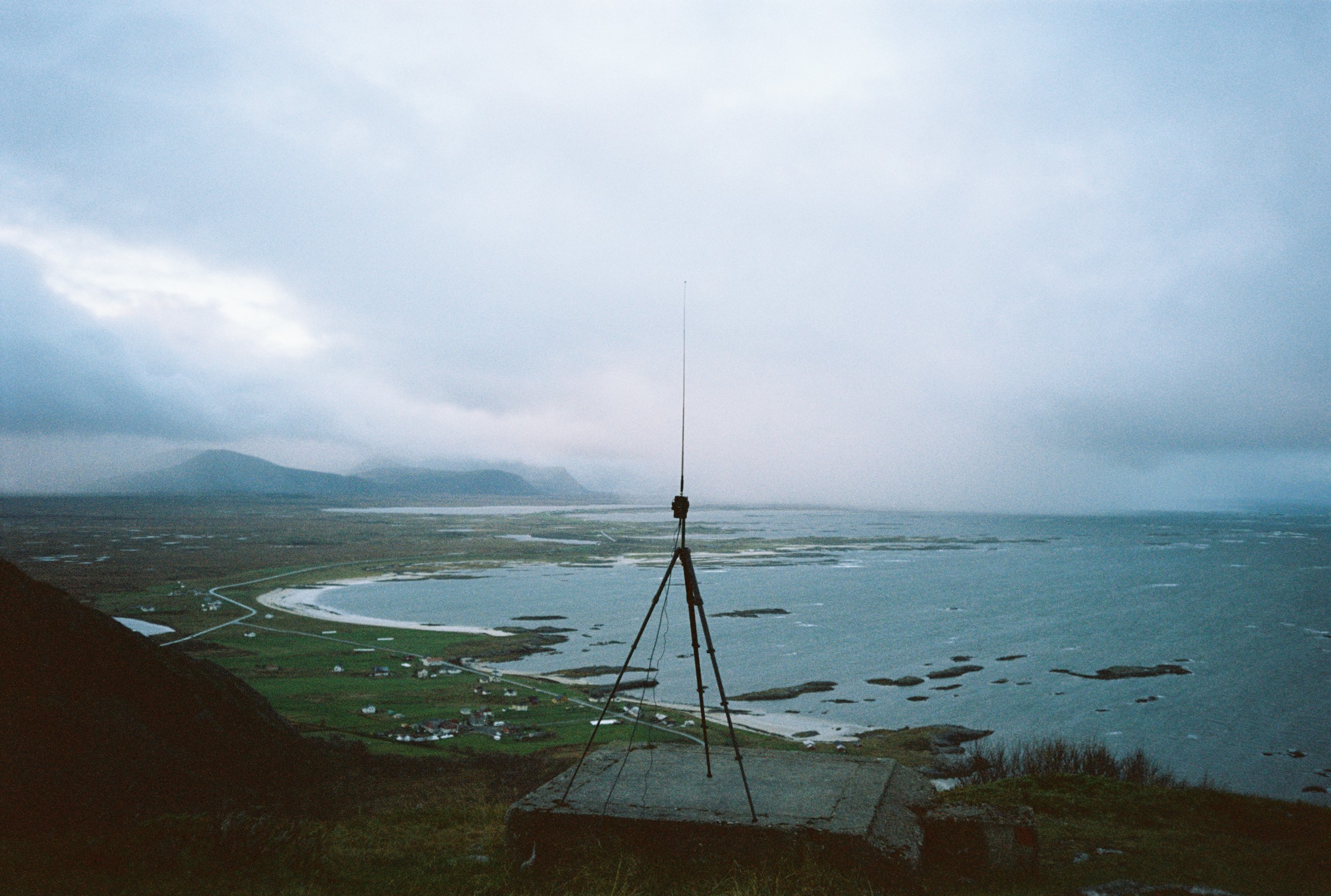
The Lights Which Can Be Heard is a research project on the possible sound emitted by the Northern Lights, and the related musical traditions of the indigenous peoples of the Arctic.Read more
Sébastien Robert / Portraits
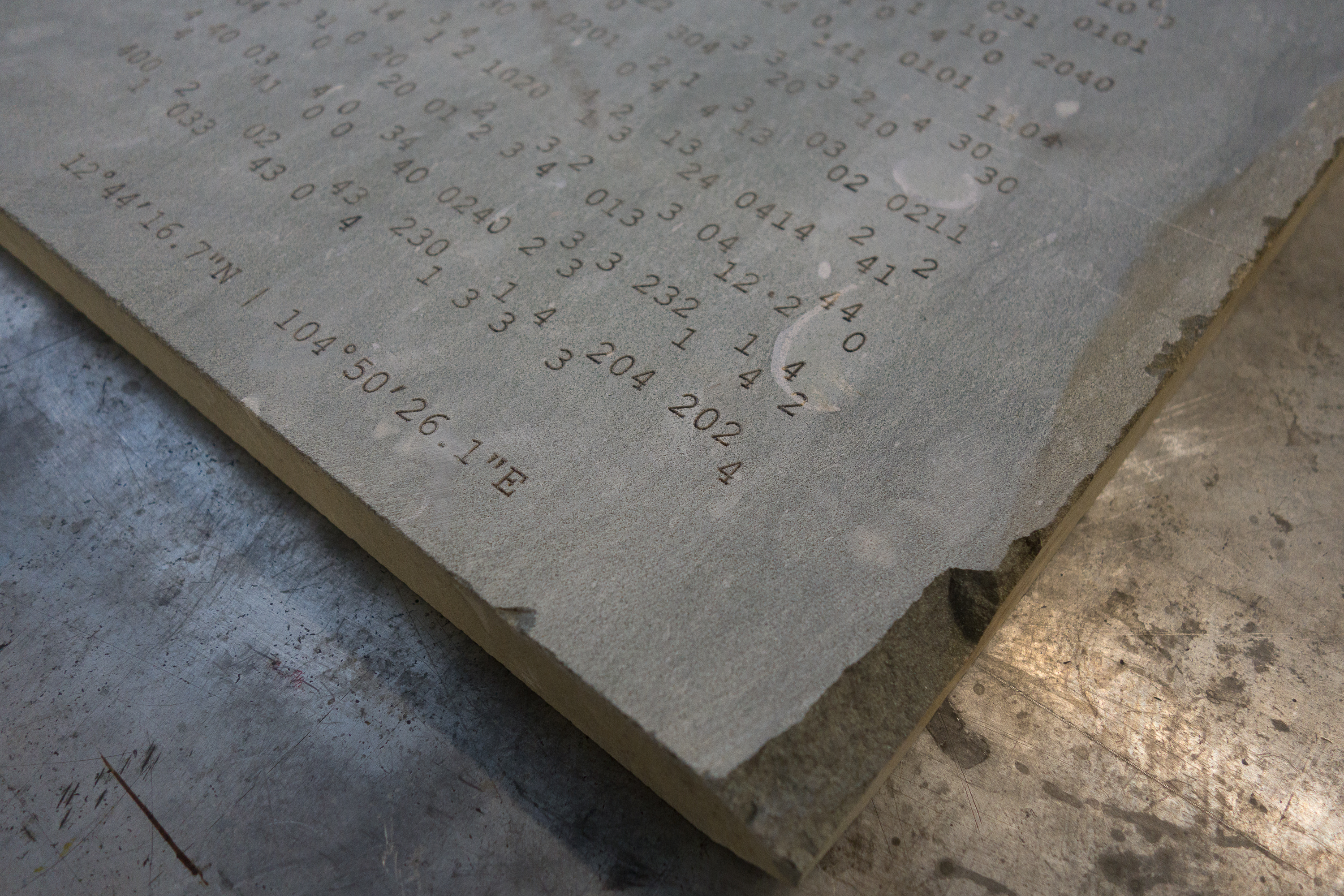
Sébastien Robert combines scientific research, ethnography and human encounters to turn disappearing sounds into tangible artworks.Read more