obsolete.studio
En / Fr

Low Tech
Computing
Design
 / Behind-The-Scenes

LowSoro

Diane Pricop
17.06.22

Think of a robot, what do you see?

A mechanical, articulated, cold, metallic object with two arms, two legs and a thinking head? Is it really devoid of emotions? You may wonder what would happen if it accidentally emancipated itself. Because while they make our daily lives easier and fulfil our desires for comfort or modernity, robots invade our imagination of a technocentric, sterile, post-industrial future in which they evolve and flourish. However, this field opens up a wide range of possibilities: can robotics rhyme with sustainable transformation of society? Artists Selma Lepart and Nathalie Guimbretière have chosen this path: experimenting with Soft Robotics and Low-tech, a winning combination.

n order to understand the issues at stake in the project, we must first go over their respective definitions. Soft robotics" is a sub-field of robotics which uses soft or elastic materials, such as silicone or plastic. They are used in technical fields that require precise operations (e.g. surgery), as their flexibility makes the environment more accessible. In addition, soft robots are designed to interact with their environment, and tend to become more autonomous; they can lean, grasp objects of different sizes and textures, change shape, slip into hard-to-reach places... Their movement is organic, with shellfish and insects often inspiring their appearance, which can make them more endearing than the rigid robots of our imagination.

Low-tech is a rather complex concept to define. According to the low-tech lab, it is a set of systems, techniques, services, know-how, practices, lifestyles and even currents of thought, which integrate technology according to three main principles: useful, accessible and sustainable. Opposed to high-tech, it is not a question of banning new technologies or returning to a primitive way of life, but rather of living with everything we have created since the industrial revolution and deconstructing what pollutes. It is about making responsible choices and adopting a lifestyle that is respectful of the planet. This involves DIY, passing on and collaborating. A better word for it would be "appropriate technology" - that which is appropriate, and that which is appropriated.

If we remain at the definitional stage, Soft robotics and Low-tech seem at first sight incompatible. However, this combination makes more sense than it seems; although it implies a high degree of technicality, the very essence of the creation of a soft robot is its ability to adapt to a changing environment. They are intended to be robust and resilient thanks to the choice of flexible and accessible materials. The questions of how they work, how they are shaped and how they are used are treated equally, forcing engineers and designers to change their traditional way of thinking, and to work on smaller scales. According to Nathalie and Selma, Soft robotics would be Low-tech that ignores itself, or even Wild Tech.

The two artists meet for the first time at the ENSAD Lab in Paris, on the occasion of the open days of the studios, each being part of a distinct research group. Selma is studying questions of the autonomy of artworks and the relationship of affect we create towards them. Naturally, she is interested in Soft Robotics. Nathalie focuses on the role of the designer and the anthropology of technology, questioning the relationship of individuals with technologies, the use of objects and their societal impact. They get along well, and even though time passes by, they do not lose sight of each other and evoke the idea of a collaboration. Together, they put their research into perspective, and find that the objectives and methodologies of Low-tech fit well and enrich the Soft robotics project: one adopts a technical approach and the other counterbalances it with a philosophy based on contemporary concerns.

Selma's basic idea is to create a Soft robotics KIT, a tool that can be shared and that allows prototyping objects without having an engineering background. A complete creation could result from each use, making the kit the starting point for new projects and therefore an object of study. But before designing one, artists need a field of experimentation in which they can test the creation of objects with people whose way of thinking is different from their own. Autonomy, sharing and transmission of values are the keywords. The workshop format is essential in the face of a project that has remained theoretical until now. So when the opportunity to design a workshop for engineering students presents itself to Selma, she proposes to Nathalie to make it happen.

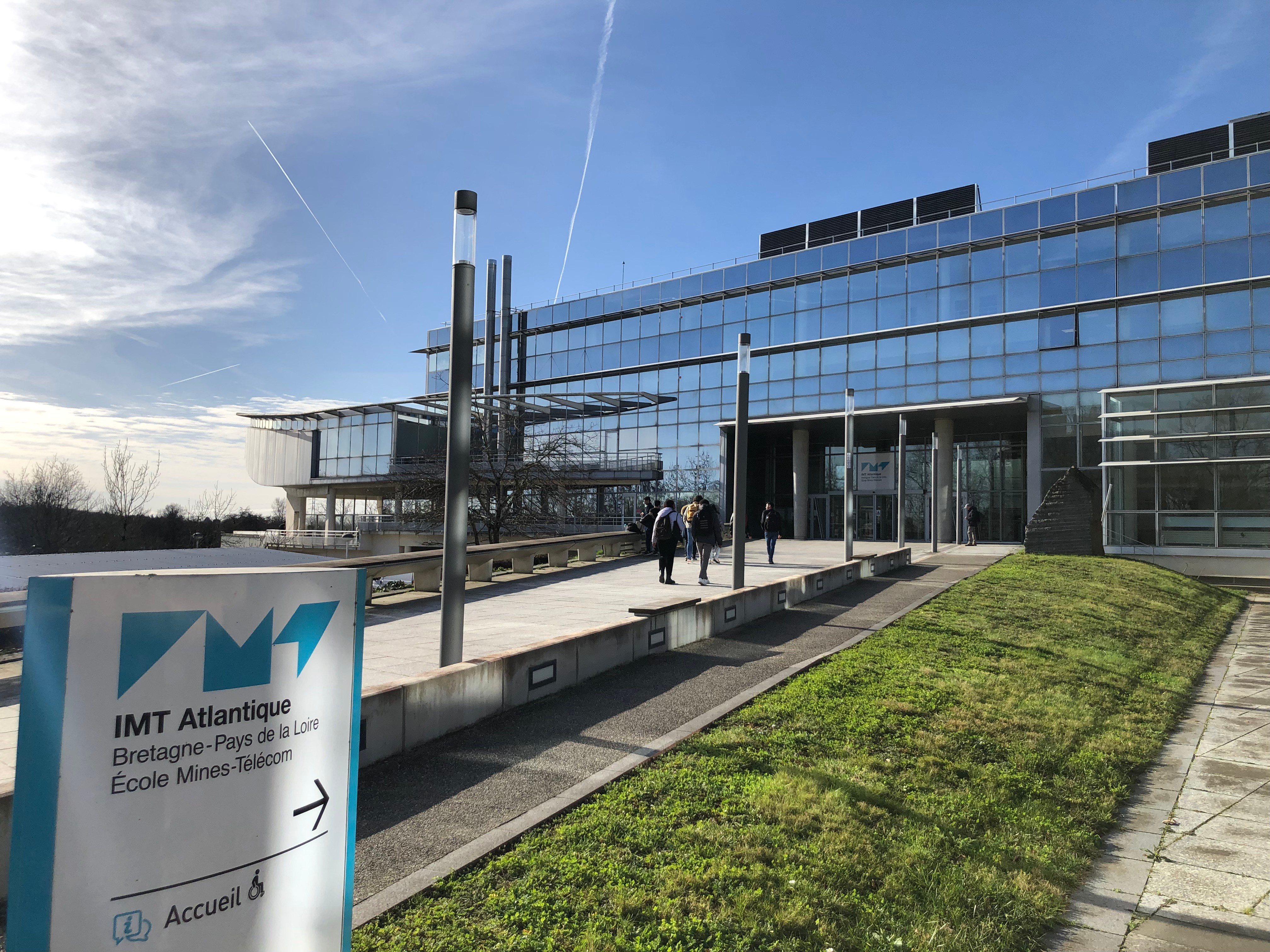
The workshop takes place at the beginning of 2021 at IMT Atlantique; five prototypes are produced, the experience is fun and stimulating for all. The first results are conclusive for the artists from an experiential, technical and also personal point of view. First of all, the members of the groups, who did not necessarily know each other, learned to collaborate. By adopting a researcher's attitude, they were able to make mistakes, motivate themselves, change direction, stress, and above all to discover the gaps between theory and practice. In terms of design, the creations were rather inspired by nature, so a wrist and hand prosthesis, a caterpillar, a frog and an octopus were created. Finally, Nathalie and Selma, who used to give workshops in their respective fields, complemented each other; one wanted to integrate more practice in her approach, while the other needed support for documentation and group management.
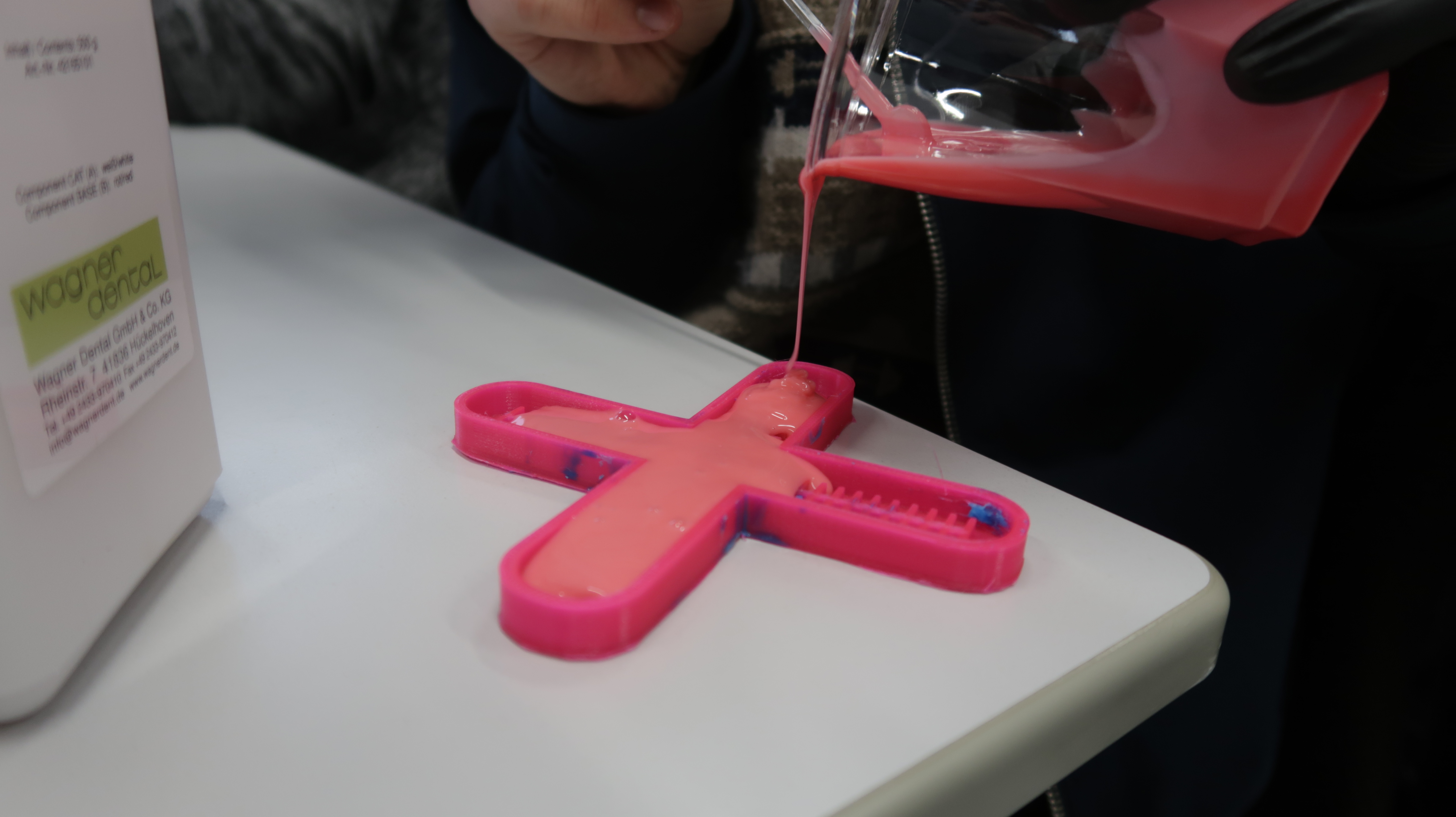
One thing is certain, the duo works on all levels and this first audience welcomes them warmly. They will have to continue to confront their project with various people to nourish it. Indeed, the more different the types of audience, or the more varied their approaches and interests, the richer the quality of the kit, and the more potential results. Also, artists, whose concerns are based on more abstract subjects, will certainly approach the project from another angle than that of aerospace researchers, or of a public with physical disabilities. As the workshops progress, the discoveries and knowledge of one person will be passed on to the others; Selma and Nathalie are keen to ensure that the scope of the sharing is as wide as possible. The real value of the kit is to cross ideas and disciplines and above all to break down prejudices by confronting one category of people with the reality of another.

As for possible continuations of the project, the artists are thinking of several things; Selma wants to experiment and collect the tests produced by the participants, then iterate until the choices are used up. Nathalie wants to raise awareness about energy consumption by learning how to use and measure the quantities of solar energy, and then make choices accordingly. At this stage of the project, they are not using reusable or biodegradable materials but the idea is not excluded. Thinking about making the kit marketable is not on the agenda either.

Soft robots are impressively powerful objects; they are deformable, adaptable and resistant to almost anything, they will become autonomous and self-sufficient. Their "soft" aspect gives them a sympathetic side and shatters our Frankenstein syndrome. Even better, they arouse curiosity and unite those who linger on them.

Selma Lepart and Nathalie Guimbretière have not finished deconstructing preconceived ideas and desecrating robots; as long as their complex technology remains appropriate, they make an incredible ally in building a sustainable future.