"The best energy is the energy we don't use!" This quote is so widely used in politics and mass media that it is difficult to find the author. Taken out of context and used as a commercial slogan, it sometimes creates waves of approval, sometimes waves of indignation. Like technology, its meaning varies according to the way it is used. The low-tech approach faces this dilemma ; central to contemporary debates and yet gaining more and more recognition from official institutions. Artists, designers and thinkers interested in new technologies bring justice to it by adopting a line of reasoning that conforms to its definition: useful, accessible, sustainable.
Low-Tech as an ideal solution
21.07.22
Far from the technophobic image it conveys, low-tech encourages us to rethink the relevance of technological uses and willingly allies itself with high-tech through a logic of complementarity. Thinking low-tech means exercising one's critical mind with regard to the objects we use and what we do with them. This is the entry point that Nathalie Guimbretière uses to link her approach to Soft Robotics, that of the anthropology of technology; this discipline seeks precisely to define the role and use of objects or technologies, and to understand their impact on human and social behaviour. One of its best-known thinkers, André-Georges Haudricourt, tells us that "any object, if you study it correctly, the whole society comes with it".
Understanding the relationships that people have with technologies is essential for design research and technical innovation. But it is also important to understand what the objects we use are made of; by analysing their composition from their raw materials, their provenance, their method of extraction and manufacture, their cost, their human and environmental impact. Because our consumption patterns, particularly in the West, have not changed since the Glorious Thirty, on the contrary they have become more pronounced, and our society has failed to adapt to the changes brought about by this lifestyle. Today, more than ever, designers have the responsibility to bring new solutions in the respect of human rights and ecology, and to the detriment of consumerism.

So low-tech seems like an ideal solution because it encourages us to question our habits and then change our thinking. Soft robotics is full of examples; NASA researchers have identified lava tunnels on the moon, craters 500-900 metres wide, which could be used as long-term storage spaces for equipment. Except that the rovers used to explore the sites are designed for smooth terrain, and their current design leads to their loss, or degradation. To avoid this, scientists have launched an international call for projects: one of the winning ideas is a soft robot inspired by centipedes, dressed in a fabric capable of regenerating itself. Its movements will be organic and it will be able to adapt to unpredictable environments. The originality of the project automatically places it in the category of innovations, and the technology used is only intended for certain specific operations.
However, the materials used to produce the soft robots, and the manufacturing chain, call into question the low-tech nature of this example. But if we go in this strict direction, the question could also be asked of a bicycle, as Philippe Bihouix reminds us. Because it is the approach that counts; to manage to modify our mental images of robots or art, to question our ways of living and our conditioning, to observe and be inspired by our environment. It is not a question of abandoning all forms of technology, but of understanding them and appropriating them for a relevant and sustainable use. And if Selma Lepart and Nathalie Guimbretière wish to create an accessible soft robotics kit, it is above all with the idea of teaching this flexibility of mind.

Low-tech thinking is a great exercise that challenges our brains.
Step by step, we will educate ourselves to change and discern, with the aim of reducing our ecological footprint and social injustices.
After all, it is nature that inspires the best ideas; "inventions are only failed imitations", Haudricourt as a great observer has once again hit the nail on the head.
Artists
Selma Lepart
Nathalia Guimbretière
Project
Related Projects and Articles
LowSoro / Behind-The-Scenes
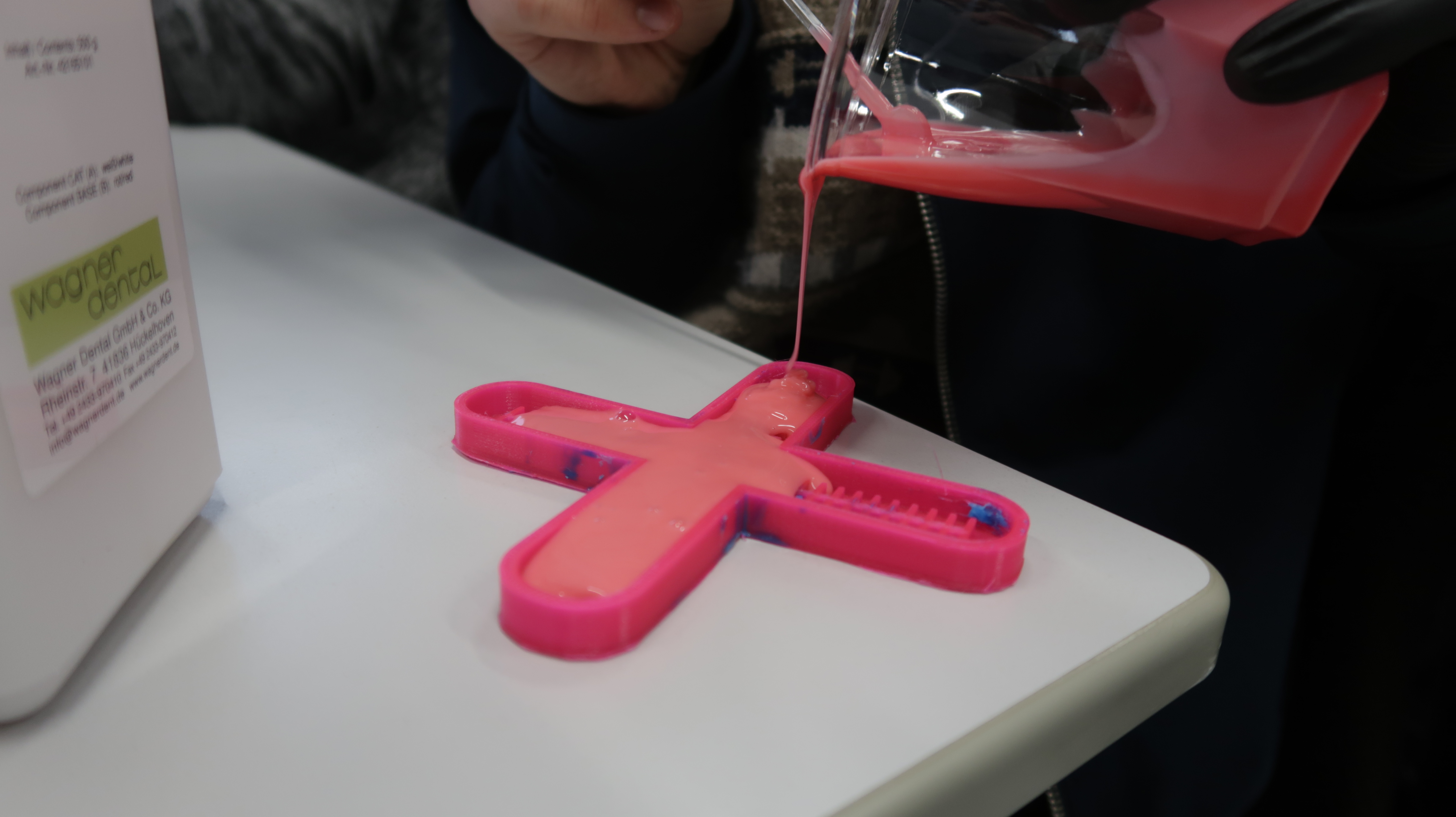
LowSoro is a kit project dedicated to the prototyping of soft robots in a low-tech production logic.Read more
IMT Atlantique inter-semesters 2024 — LowSoRo & Game Jam
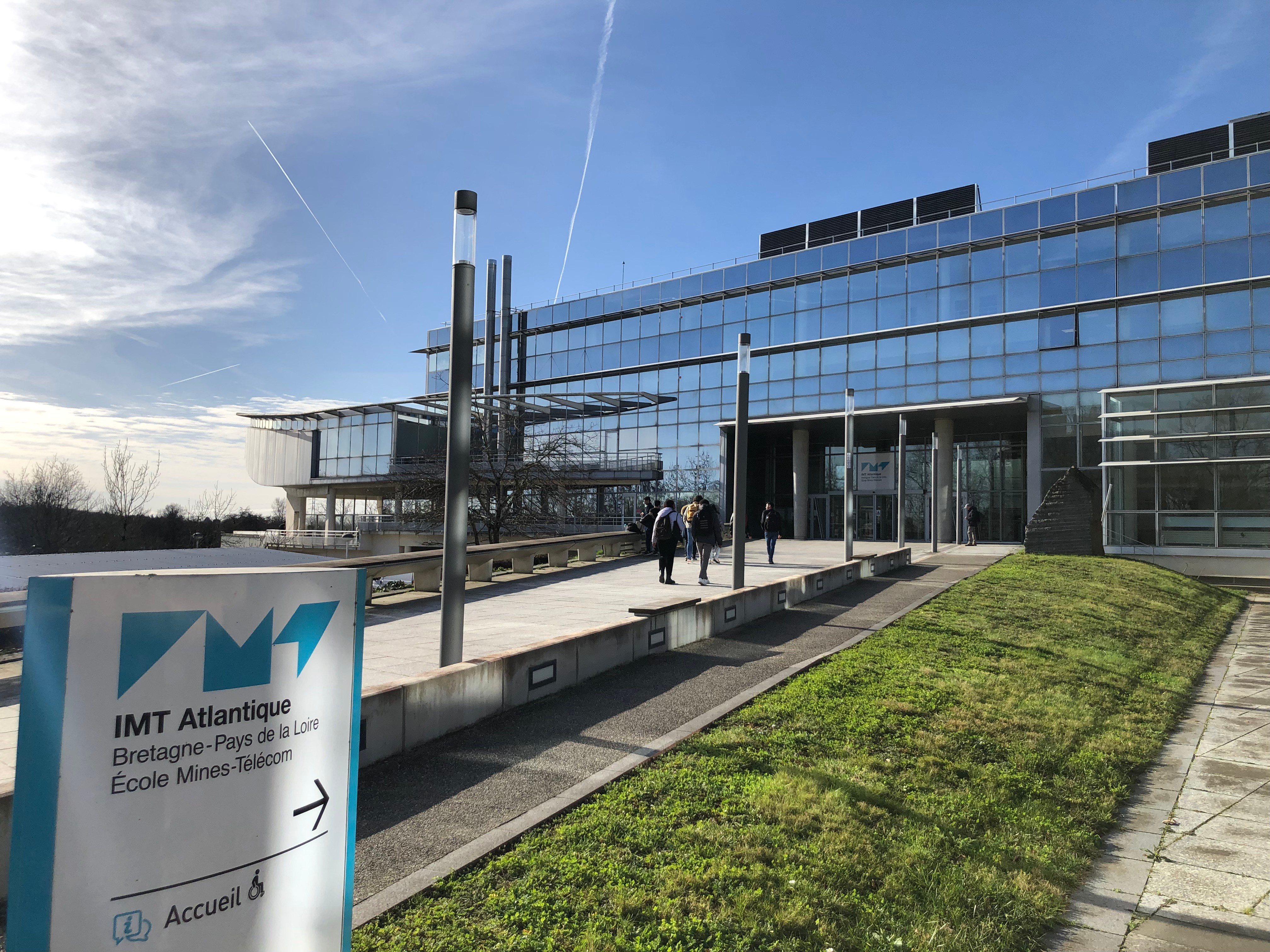
Two workshops targeted for engineering students which focused on making soft robots using low-tech principles; and exploring the notions of utopia and solar future through the creation of a video game.Read more

Artistic research is one open door to innovation / Focus
The definition of Art is still at the heart of philosophical debates, and artistic research is struggling to gain the recognition it deserves due to its complex and interdisciplinary nature. Yet it opens up unexpected paths.Read more

IMT Atlantique inter-semesters 2022 — LowTech & SoftRobotic
Engineering students had the opportunity to prototype soft robots in the spirit of low-tech during a 5-day workshop led by artists Selma Lepart and Nathalie Guimbretière.Read more