What is Art? If we find some definitions that seem relevant, this question has remained at the heart of debates between theorists throughout the centuries. Today we still do not have a clear answer, which makes it even more difficult to conceptualise artistic research. How can we do research in the arts if we cannot define Art? This discipline, which has a tradition going back several centuries, has suffered from a very late official recognition. Its essence is transdisciplinarity, and through it, contemporary artist-researchers are pushing the limits of science and new technologies.
Artistic research is one open door to innovation
05.07.22
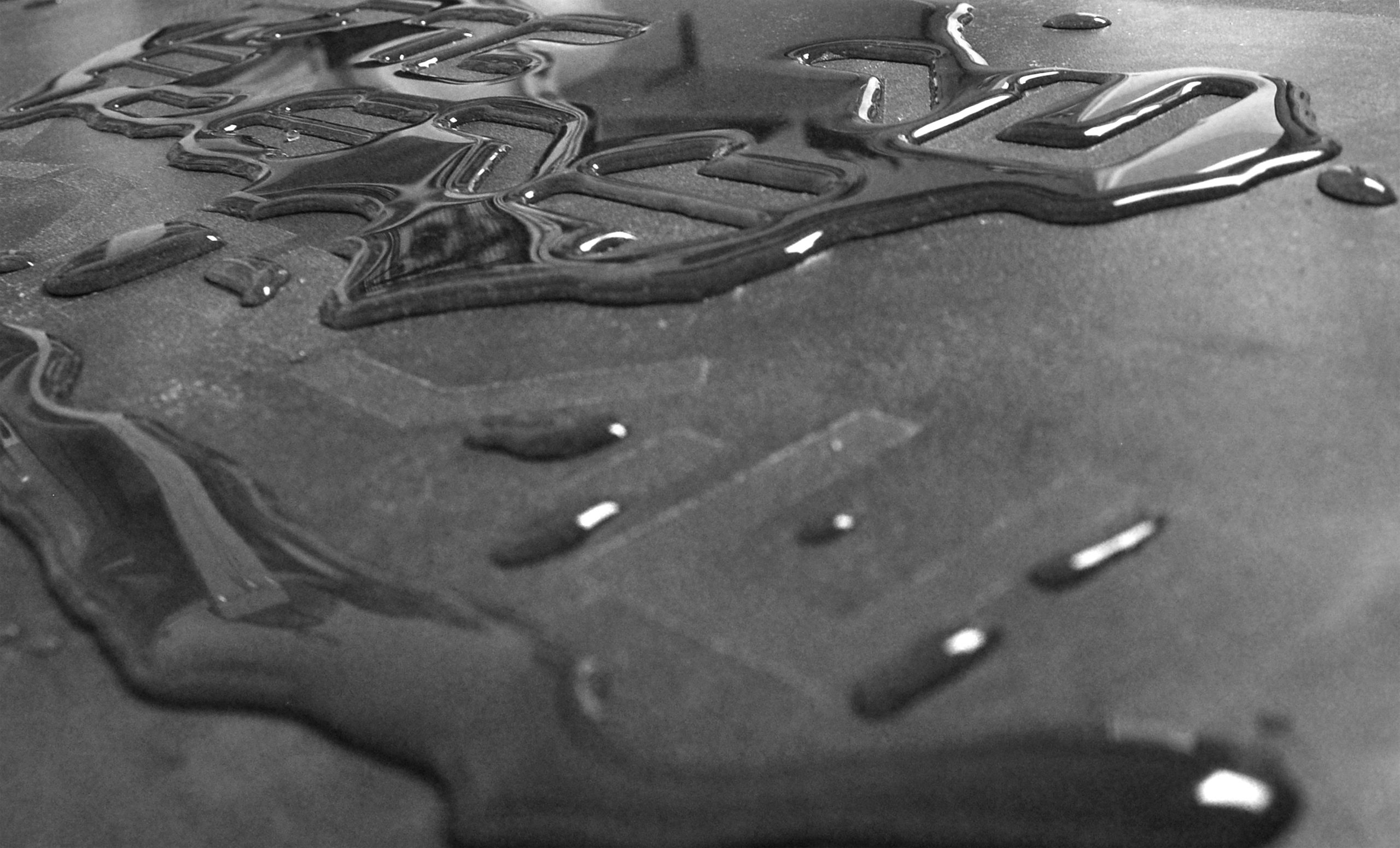
Since the beginning of their existence, artists have examined the world around them at a given moment and transcribed their observations into their works, thus reflecting the values of their time. When History shows us facts and events produced in the past, Art refers us to the state of society at the time of these facts. It shows us the mentalities, the struggles, the social, if not religious or political fractures. When we talk about scientific advances, artists take hold of them, test them in a different way, one that does not always bring a result or a concrete application, but which aims to take a prospective look at our future.
Like all forms of research, arts research is also in the direction of innovation. When Selma Lepart wishes to deepen the question of matter in movement, she is looking at materials that are little known to the general public, and technical processes that require the support of engineers. As a neophyte with no formal training, she learns on the job and in collaboration, creating her own mediums for the needs of her installations. However, the beliefs that art has only an aesthetic purpose and that engineering, on the contrary, only produces objects with a function, are popular misconceptions, even in scientific or academic circles. The function of the work of art is simply more blurred.

Some artist-researchers choose to follow the doctoral path, which allows them to benefit from pedagogical supervision, and to work with a group of individuals who focus on the same themes. The aim is to nurture one's own research and that of others, through the experiences of the thesis. Although research encourages researchers to use experimental protocols, the risk of this method is to have a group that adopts the same thinking mechanisms. Yet for Selma and Nathalie, reshaping their thinking is an essential exercise in growing and evolving as artists and one way to address this, is to diversify encounters, hence the need to create spaces for this, by producing workshops for example.
These workshops are also used to design a kit, which will serve as a support for their studies. The question of support in research is very important because it gives legitimacy to the research itself. Unlike scientists relying on previously formulated studies and theories, or anthropologists doing fieldwork, the artist-researcher must create his or her own materials. And despite the new generations of artists who are setting up valid models, and their willingness to nuance thesis formats that are considered too rigid (at least in France), research in the arts is still too rarely valued.
One of the reasons for this phenomenon is that research in the arts often starts from the artist's personal interest in a particular subject, which can create a gap between theory and practice. This is logical, however; we may be curious and want to investigate all existing subjects, but we will always be more attracted to our own needs or interests. In soft robotics, the best specialists in prosthetic hands are probably those who have lost their hands. In the United States, many more women work in this field, which has resulted in creations related to female needs, particularly in the gynaecological sphere. In any case, research often starts from a common or personal interest.

The artistic fields are no exception, and this is even part of the initial definition of the artist, the one laid down at the beginning of the 16th century and led by the famous Leonardo da Vinci: the artist is no longer a simple craftsman or entrepreneur as long as he or she creates for himself or herself. And mixing his or her art with disciplines that are a priori distant is an open door to innovation.
In 2022, it is still difficult to materialise research in the arts, and to claim its complexity. Making it accessible and shareable to all is a new challenge, and some artists, like Selma Lepart and Nathalie Guimbretière, are working hard to make it happen.
Artists
Selma Lepart
Nathalie Guimbretière
Project
Related Projects and Articles
LowSoro / Behind-The-Scenes
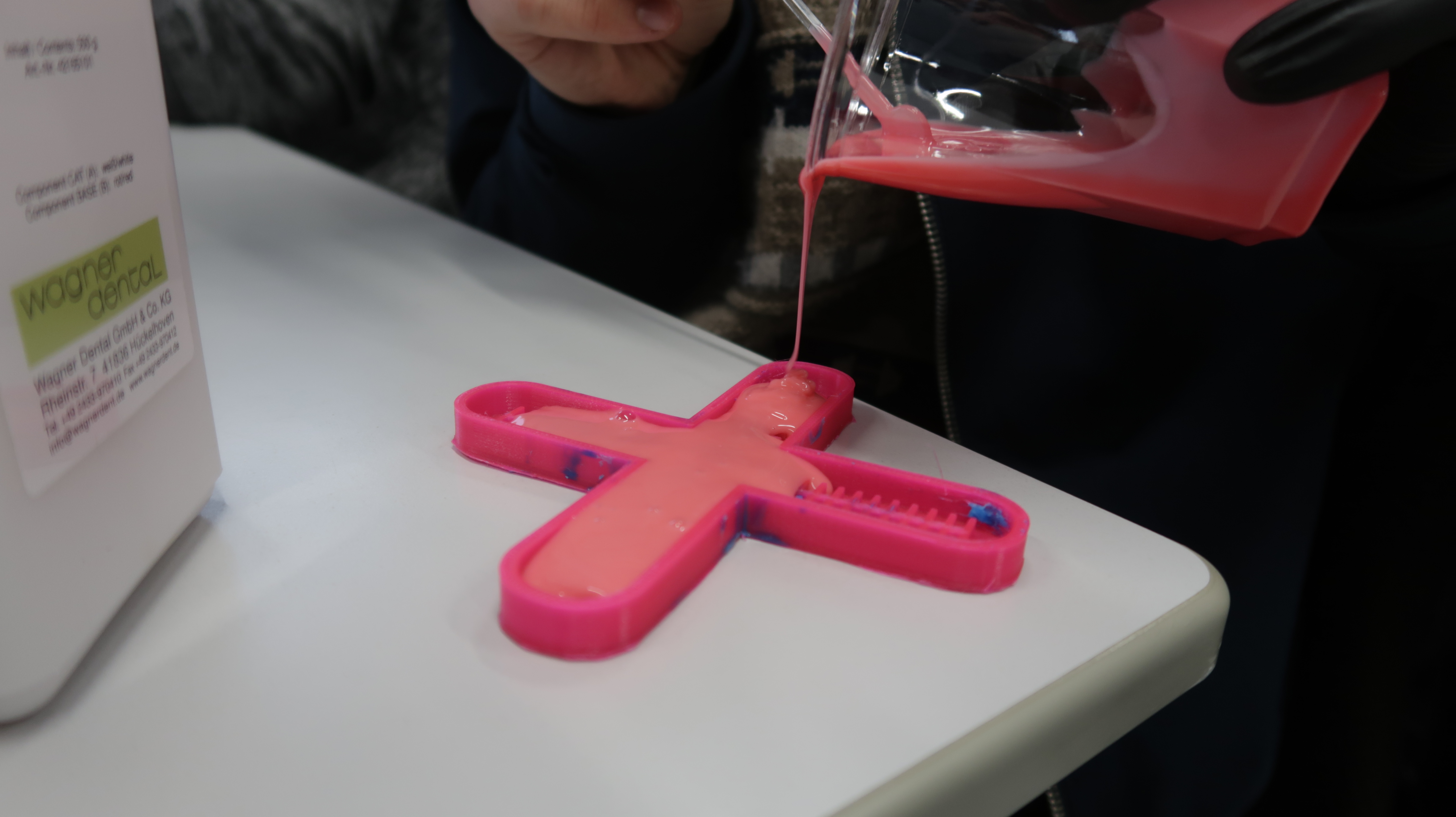
LowSoro is a kit project dedicated to the prototyping of soft robots in a low-tech production logic.Read more
IMT Atlantique inter-semesters 2024 — LowSoRo & Game Jam
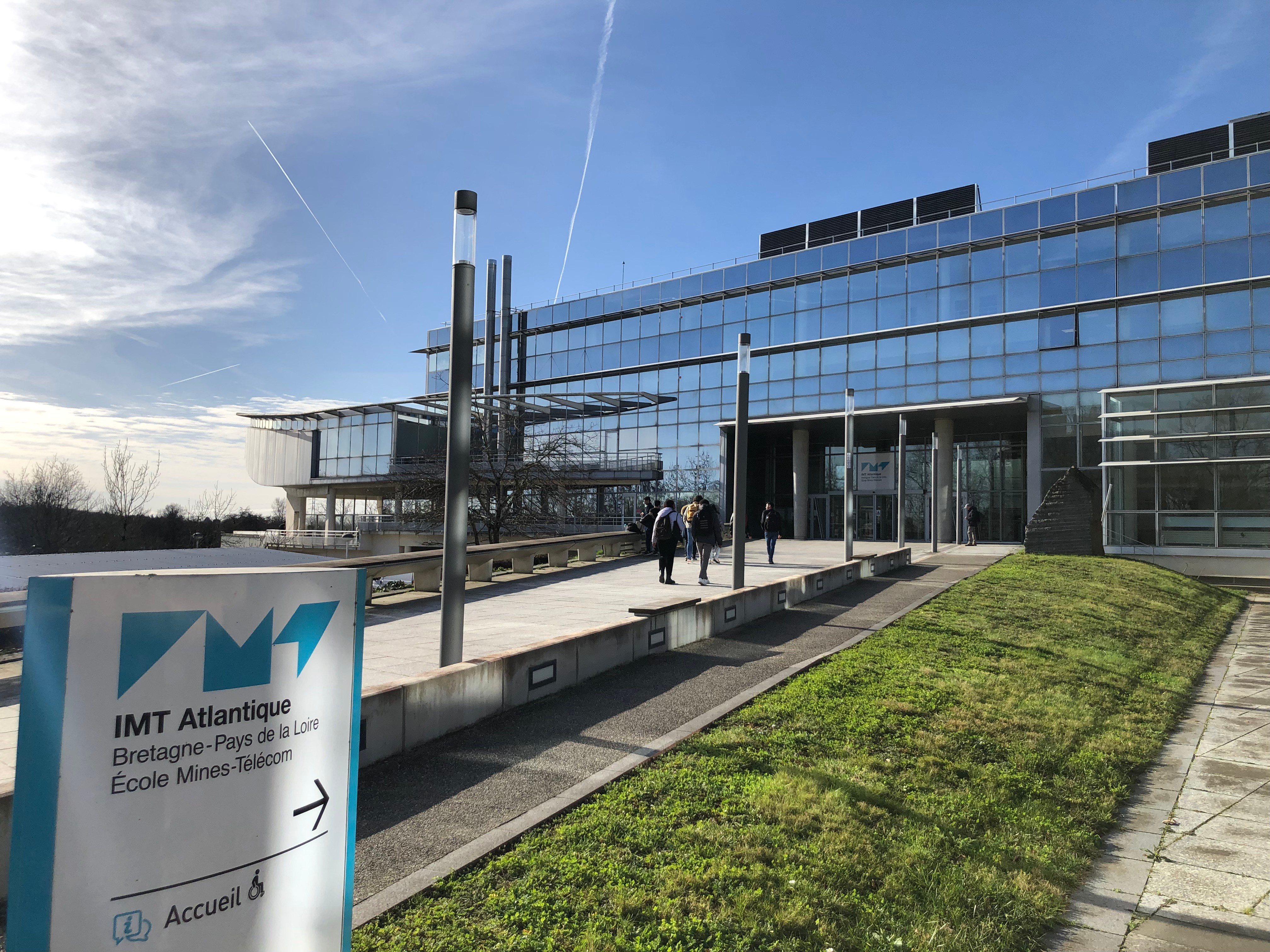
Two workshops targeted for engineering students which focused on making soft robots using low-tech principles; and exploring the notions of utopia and solar future through the creation of a video game.Read more
Low-Tech as an ideal solution / Focus
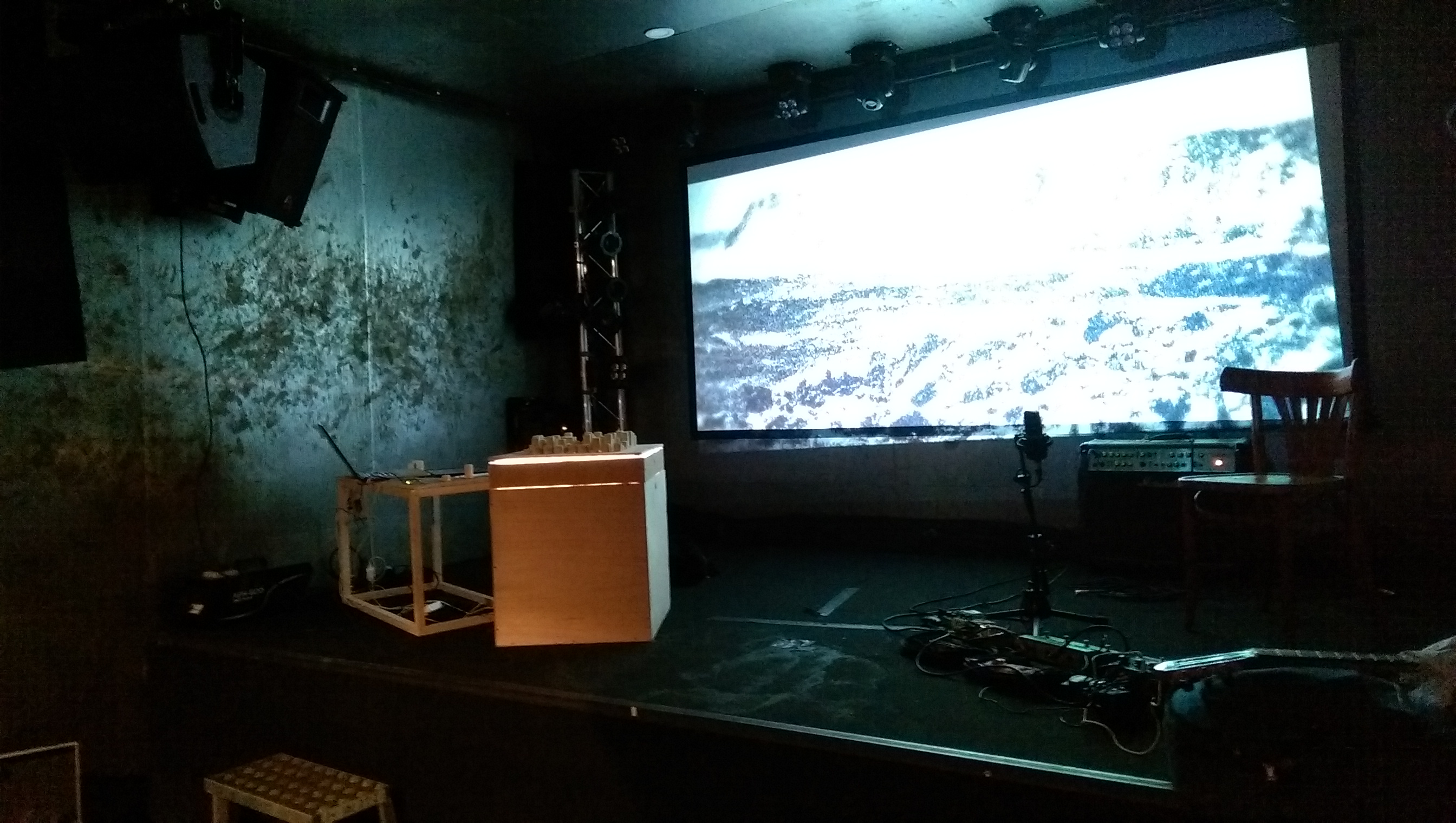
Committed to a sustainable future, Selma Lepart and Nathalie Guimbretière offer a perspective on low-tech solutions, an opening for positive alternative narratives.Read more

IMT Atlantique inter-semesters 2022 — LowTech & SoftRobotic
Engineering students had the opportunity to prototype soft robots in the spirit of low-tech during a 5-day workshop led by artists Selma Lepart and Nathalie Guimbretière.Read more