“I wanted to create an interesting scifi universe that didn't violate the laws of physics” says Neal Stephenson in an interview about his novel Seveneves. Known for his post-cyberpunk science fiction based on IT, he is credited with inventing the word 'metaverse'. Although the concept is still unclear to many, the metaverse has become a hot topic, especially with Mark Zuckerberg's vision of the future of the internet. So what is it?
The metaverse in the era of global pandemic
22.12.21
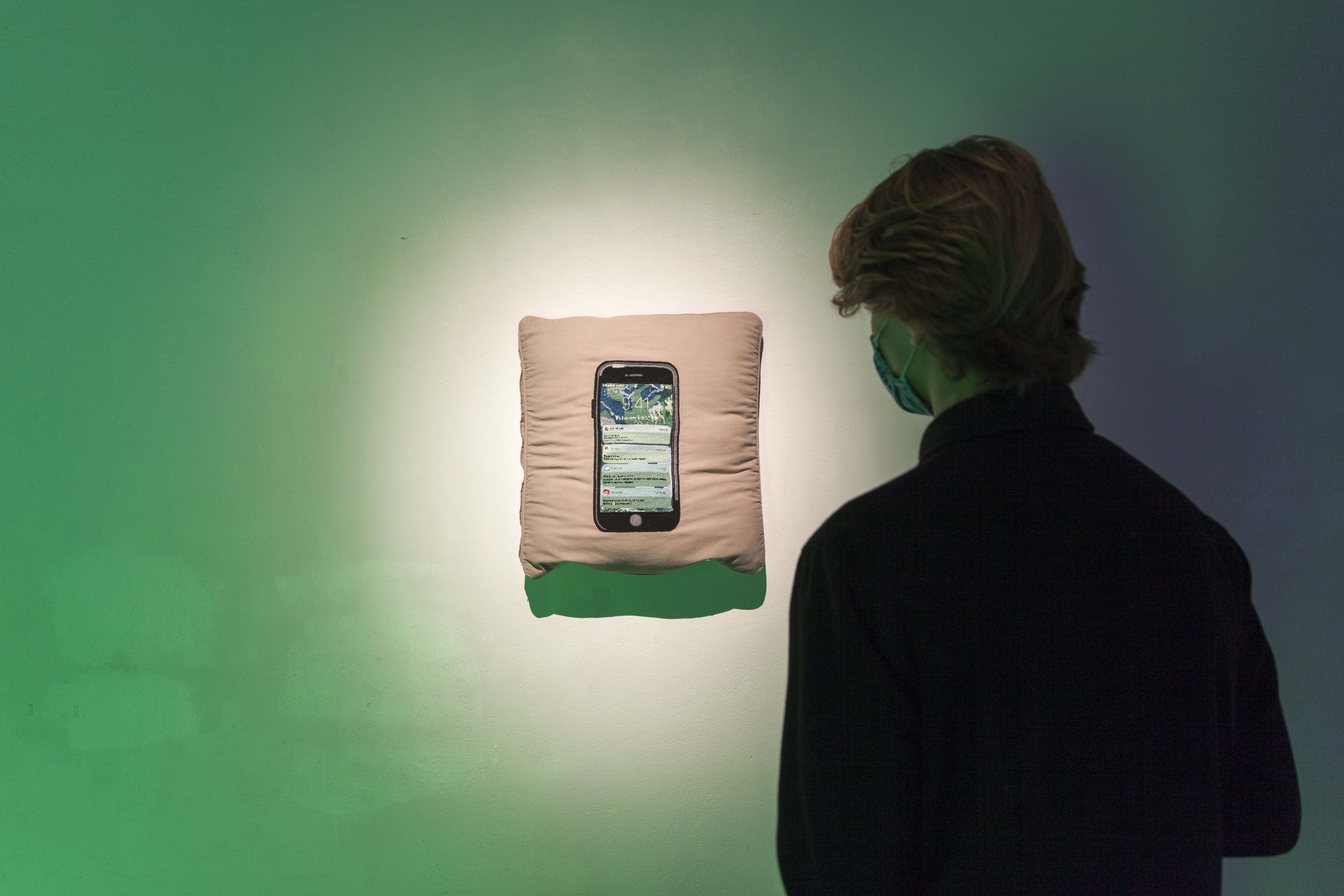
For the moment, it can be summarised as a digital space in which we humans are supposed to evolve, work and socialise through our avatars. Thanks to virtual reality headsets and the use of augmented reality, we will soon be able to send our children to school, have team meetings, travel, or go shopping in this immersive world, all from the comfort of our homes.
The announcement of this vision of our future is clearly not to everyone's liking.
According to Dasha Ilina, there is a generational gap; Facebook has gone out of fashion, especially among younger people, who would be the target of this new concept.
But here's something to reassure meta-business leaders: while the Covid crisis is in full swing in 2020, our use of digital tools is exacerbated, making social networks the must-have tool. The numbers are clear: the amount of users has exploded during this period, creating if not accentuating the need to keep in touch with those around them. The reason for this phenomenon is quite simple: we have unlimited and free access.
Naturally, Dasha also looks at this issue, with the difference that with her artist's eye she seeks to understand our behaviour.

As we saw with the Center of Networked Intimacy, Dasha wants to decrypt human relationships via networks, and focuses on the notion of "ambient awareness". She also raises the question of what happens to our personal data after we disappear in Say yes to grave. This is another theme that is regularly in the news, and may seem abstract; we know we need to protect them, but we don't know all the ins and outs of their use by third parties.
In reality, Dasha touches on a multitude of ethical issues related to technology, whose frequent changes are like a tsunami in the face of legislation that does not seem to keep pace.
She is one of those who openly oppose the globalisation of certain digital practices. She began to take an interest in these issues when she joined the Art, Media and Technology course at the Parsons School in Paris. Accompanied by personalities from the world of digital arts, she learned to adopt a critical mindset on the various uses of these tools.

Her work is dedicated to the general public; what interests her is to highlight the changes in our society, but above all to make us aware of our habits, sometimes harmful, and of their emotional or physical consequences.
With wit and humour, Dasha Ilina warns us of the possible shortcomings of our digital lives; like a safeguard, she invites us to understand ourselves in this universe, while keeping our feet on the ground.
Related Projects and Articles
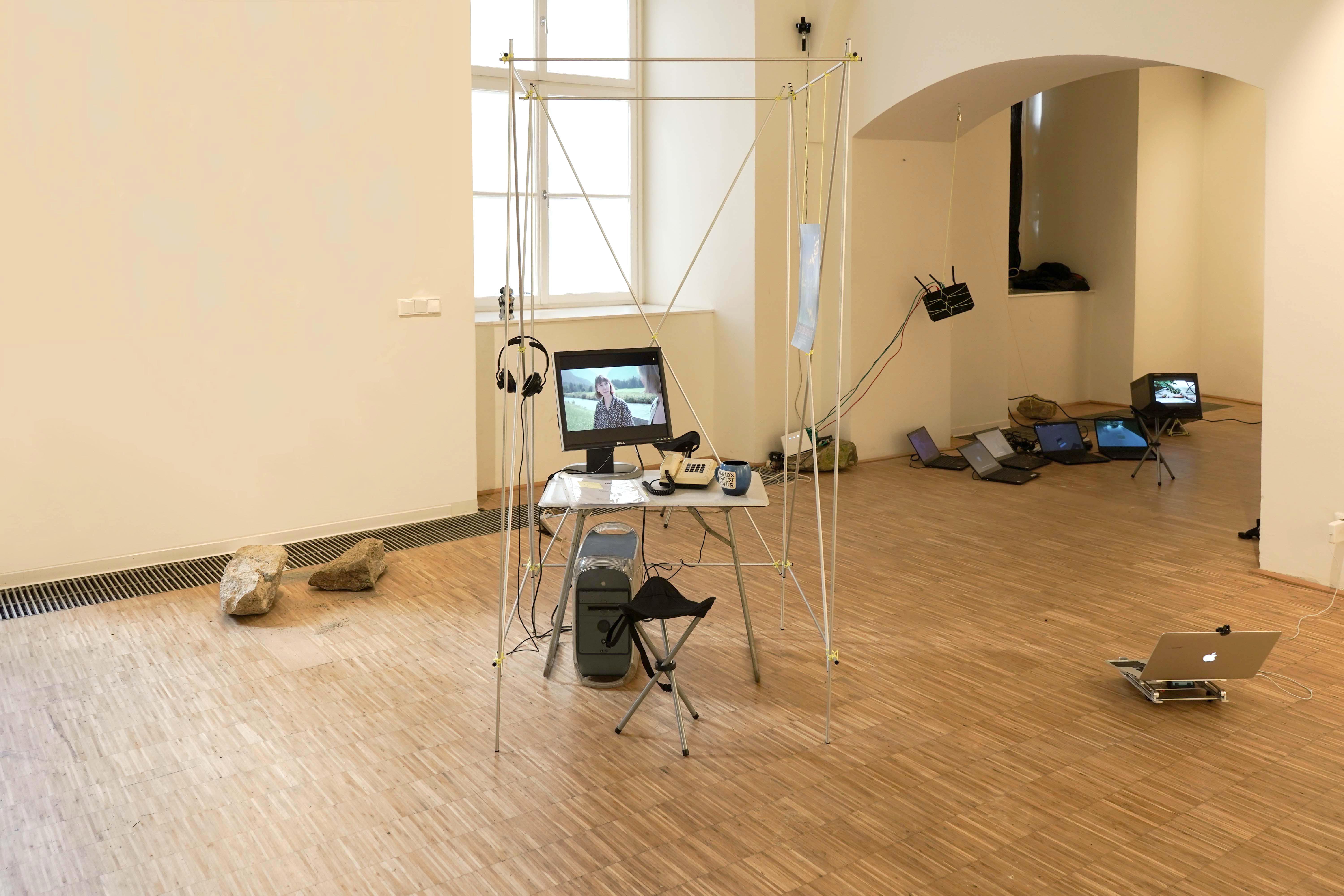
Dasha Ilina / Portraits
Dasha Ilina designs techno-critical installations that question our behaviour in relation to technological tools, while retaining a parodic and absurd character.Read more
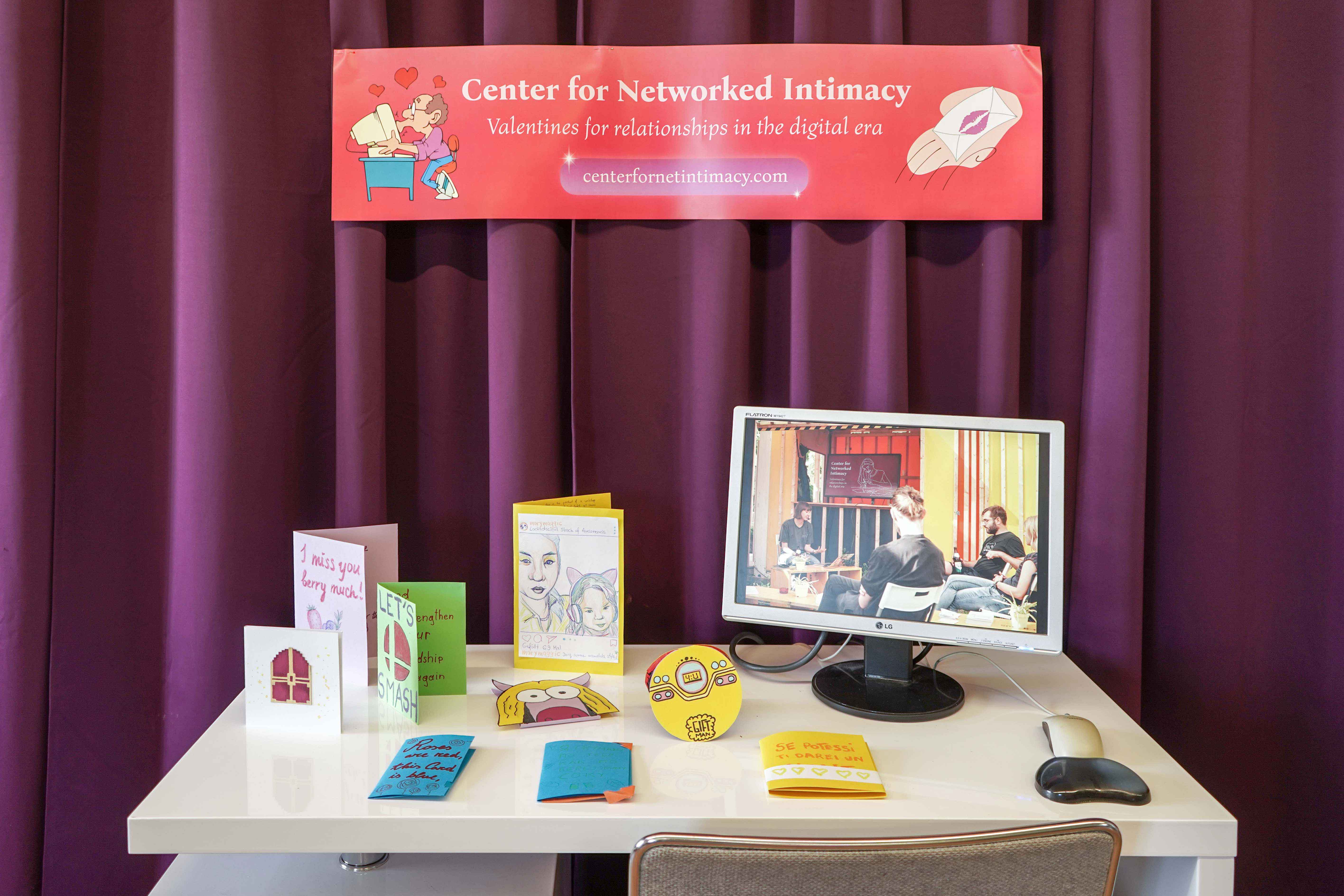
Center for Networked Intimacy / Behind-The-Scenes
The Center for Networked Intimacy is a project, still in its early stages, which consists of a variety of interactive workshops.Read more