"The fashion world still operates on a twentieth-century model [...] in a society hungry for consensus and altruism, a world where individualism is long gone; this places fashion outside of society and de facto makes it old-fashioned."
This excerpt from Li Edelkoort's Anti-Fashion Manifesto depicts the deep problem with the fashion industry today. Ranked in the top five most polluting industries on the planet, the political and social problems it creates are also regularly highlighted to the general public.
Textile artist Jeanne Vicerial explores alternatives to ready-to-wear fashion
21.04.22
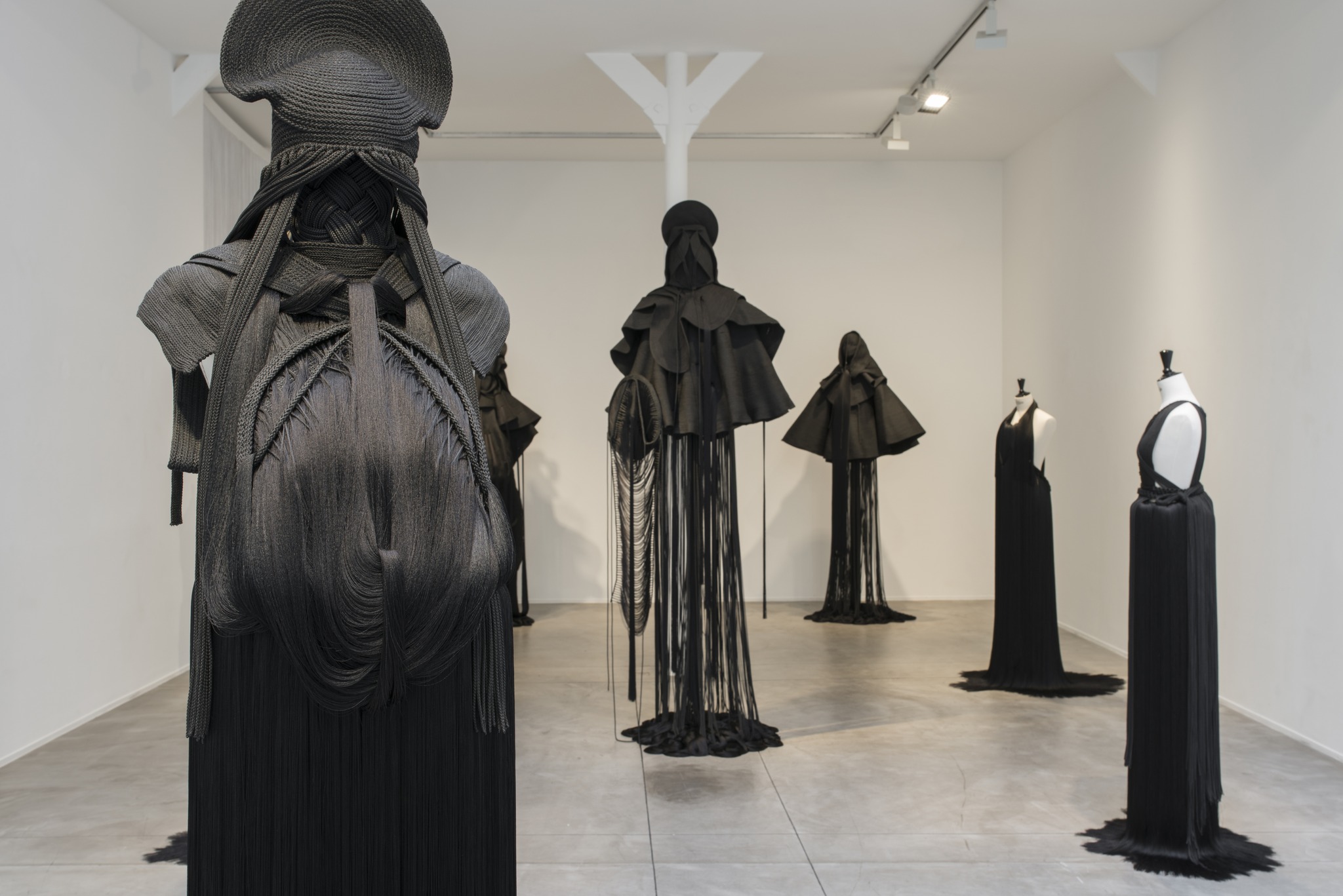
Photo credit : Isabelle Arthuis
One of its most destructive segments is fast fashion ; it offers clothes at low prices, available for sale in a very short period of time, with limited stock to encourage customers to renew their wardrobe very quickly. Not to mention their catastrophic ecological impact, the big fast fashion companies relocate their production to countries where labour is cheap, making them responsible for modern slavery. On the consumer side, the link with the garment is broken, the individual only has a place at the end of the chain, for the financial transaction, and even more so when the purchase is made online.
These observations led Jeanne Vicerial to take an engaged direction with CLINIQUE VESTIMENTAIRE. The individual, regardless of his or her morphology, takes part in the design of the garment from A to Z, and the designer accompanies him or her all the way. If it offers an alternative to ready-to-wear, which can also have its advantages, the problem for her is not just that: redefining the systems of consumption and production, without having a negative impact on the people already caught up in the process, is a considerable challenge. We can easily compare this phenomenon to the food industry.

Photo credit : Gregory Batardon
In her own capacity, Jeanne is able to stimulate thinking about change, encourage others to start, and experiment with new materials and concepts. Having left behind the reels of salvaged fabric she used to use, she is developing textiles, some as fine as hair, and mostly synthetic. But she is not averse to the use of cotton, for example. Jeanne works within a logic of permanent constraints in order to develop her own solutions. She does not use a sewing machine, yet she designs a semi-automated tool to produce.
For her, technology is not just about creating gadgets, and it does not have to be excluded from thinking about ecology. It is a question of finding the right balance and working to make compatible elements that at first glance seem contradictory.
Due to her willingness to be open to other disciplines, Jeanne has shown herself to be able to think about a problem in its entirety and to consider alternative solutions. The younger generation, of which she is a part of, is inspired by positive change. The awareness is there: a multitude of new companies are emerging with new visions, where innovation and revaluation of know-how go hand in hand. Some artists and designers are putting diversity back at the heart of their creations. The general trend may not yet be in this direction, but a parallel market could well be created.

Our world is changing at an impressive rate. Now more than ever, exchange and education are essential to break down old systems and build better ones.
Following in the footsteps of Li Edelkoort, Jeanne Vicerial does not just point to the problem. Her project will eventually play a significant role on the international art, fashion and research scene.
Artist
Project
CLINIQUE VESTIMENTAIRE
Related Projects and Articles
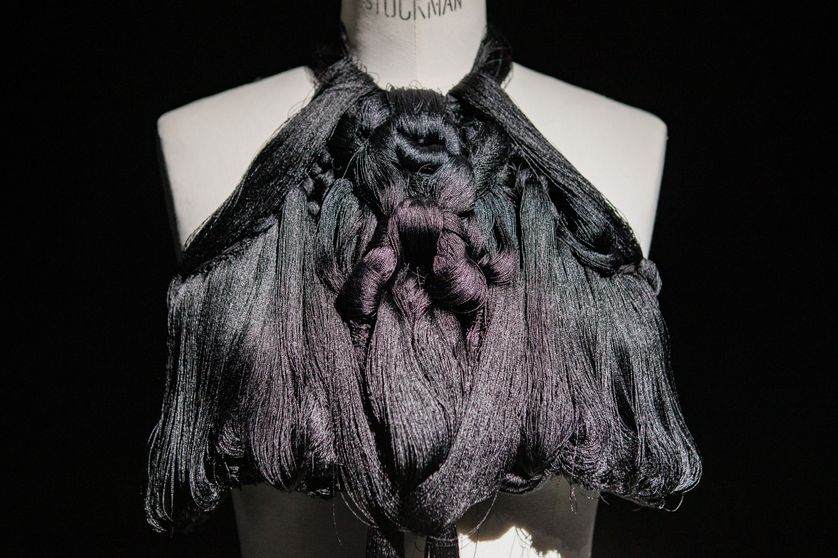
CLINIQUE VESTIMENTAIRE / Behind-The-Scenes
CLINIQUE VESTIMENTAIRE is an umbrella of research, performative and critical projects that aim to provide alternative solutions to the textile industry.Read more
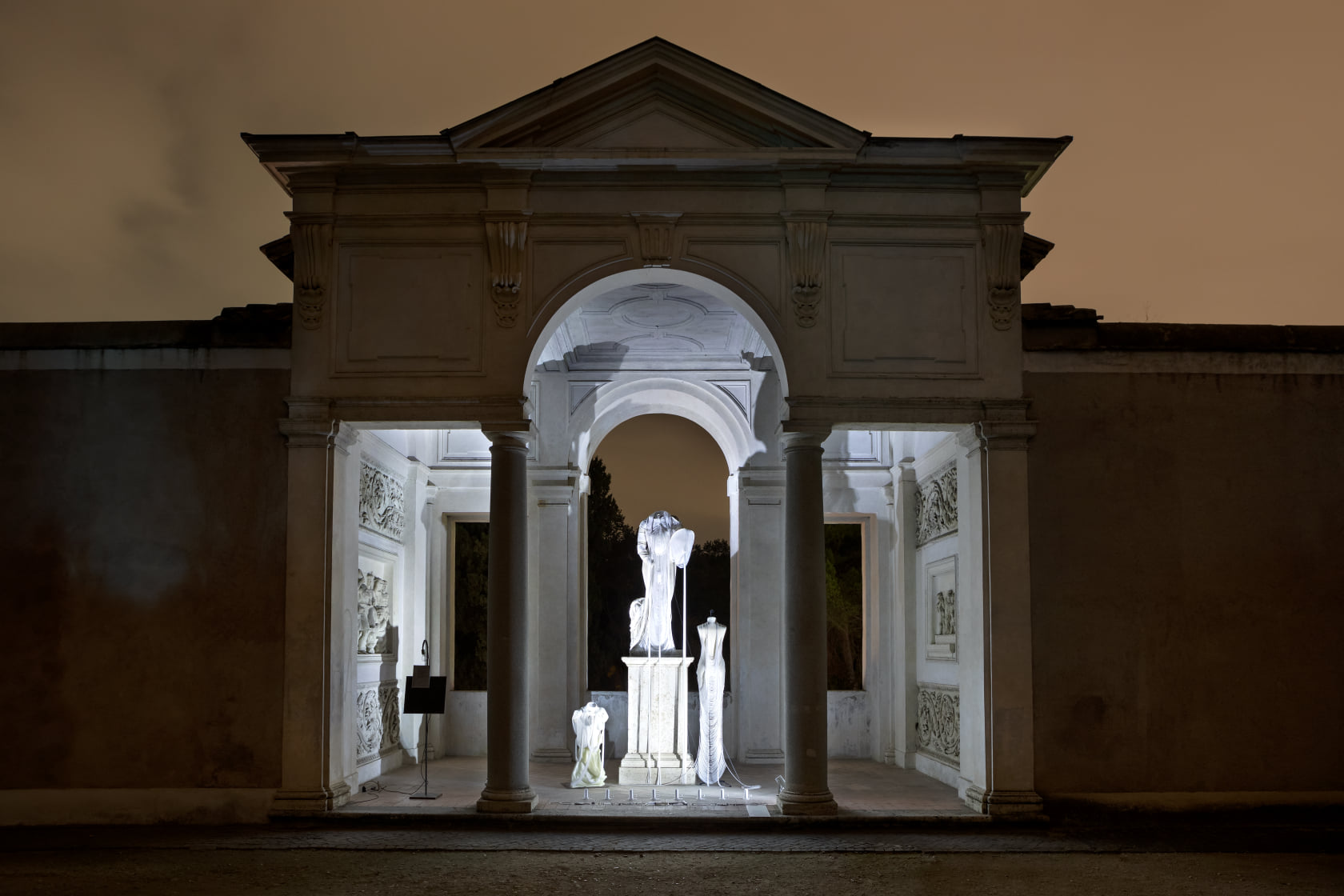
Jeanne Vicérial / Portraits
Between digital craftsmanship, ecology and philosophy, Jeanne Vicerial adopts a hybrid approach and chooses to treat her projects in a socially engaged way.Read more