With only two or three countries separating it from the West, Romania has retained its natural character, almost giving the impression in places that it stood still in time long ago. Its fauna and flora are rich, and it has the largest population of wild animals in Europe. Its history, however, is very complex; it lies at a crossroads of peoples and cultures, where languages and alphabets intersect, and where legends and folklore mingle. Myths are rooted in oral culture, passed down from generation to generation, and it is in rural areas that people continue to live these stories on a daily basis; Transylvania is a perfect example.
Art, Science, and Transylvanian Folklore
28.10.22
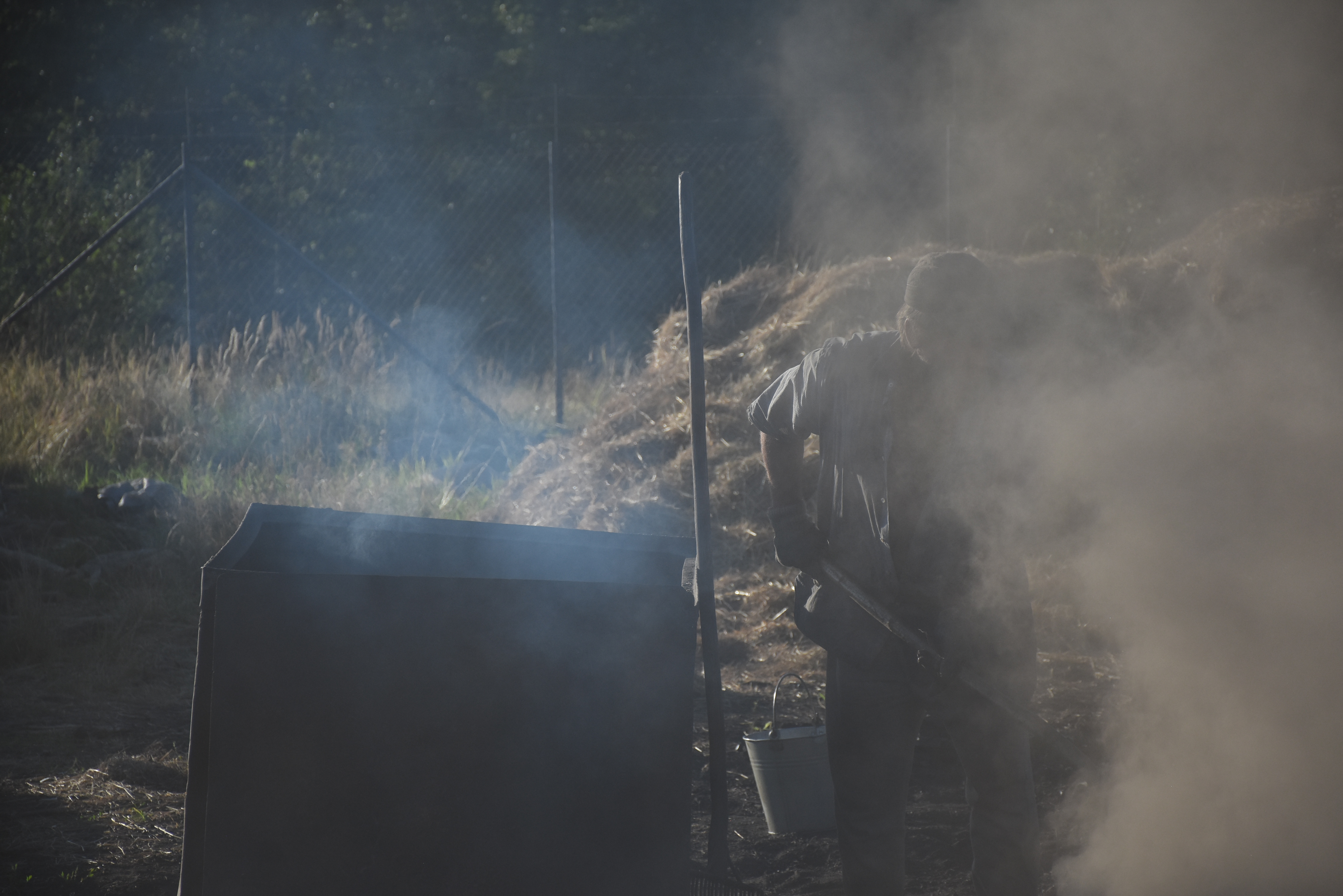
Before embarking on his new project, Zalán Szakács does some research into the local belief system. Among his references is the work of ethnographer and folklorist Éva Pócs, who is interested in the narratives of Hungarian-speaking Catholic peoples in Romanian villages such as Ghimes. He learns about miraculous stories and superstitions, and understands that paganism and religion are subtly intertwined. During his journey, he tries to bring this theoretical knowledge closer to reality; he makes a point of privileging the stories of the inhabitants he meets on his way.
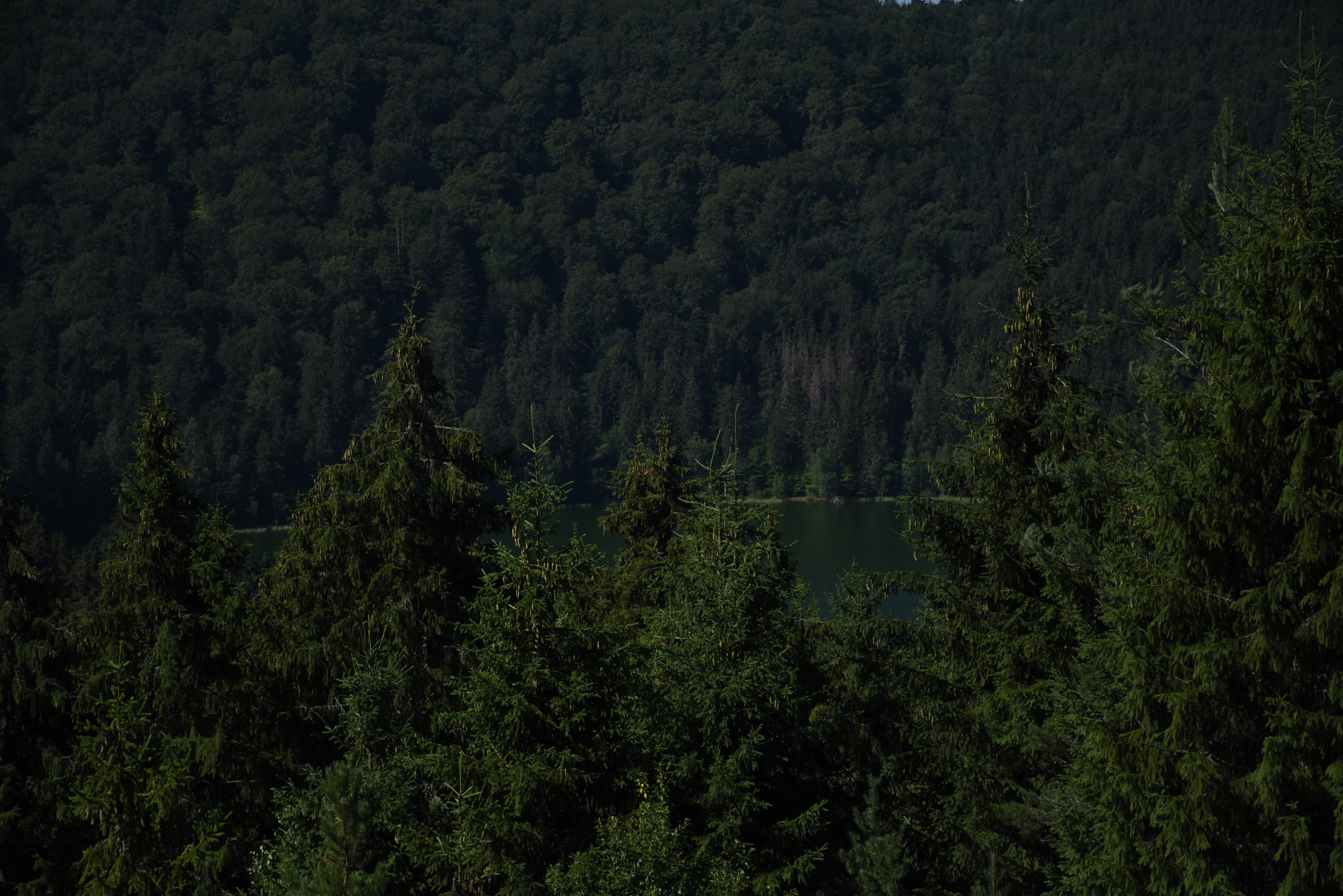
Although some of the characters have more or less rational points of view, several stories about the forest come up and Zalán retains some of them; some people sometimes see a glow over the marshes, others warn that the spirit of a young woman prowls the forest and drives men mad, others speak of the evil eye.
In European folklore, these glows are forest spirits commonly called “will-o’-the-wisp”, often ill-intentioned, who seek to lead travellers to their doom. In Transylvania in particular, it is associated with a demon, Lidérc in Hungarian, capable of entering the homes of the inhabitants to bring misfortune and eventually death. As for the evil eye, although it is found everywhere in the world, each people has its own specific rituals; in the province of Ghimeș, at the border between Transylvania and Moldova, parents or elders smear their children's faces with coal or mamaliga (a dish made from polenta) so that the evil eye does not reach them.
However, each myth is linked to a phenomenon that can be explained by the physical or human sciences. The light associated with Lidérc is the result of a natural chemical reaction. Bioluminescence is caused by the emanation of chemical compounds that may come from decomposing animals, for example, and come into contact with oxygen.
The daughter of the forest, or Fata Pădurii (not to be confused with Muma Pădurii, the mother of the forest), is a scary story, a phenomenon just as common as the previous one; it prevents those who dare to venture out from going too far and getting lost. In Transylvania the winters are long, the nights are cold, wild beasts roam and living conditions can be harsh. Unlike in Western countries, the forests are left untouched if not deforested, and in a rural environment with little development, fear is an effective tool to keep villagers safe.
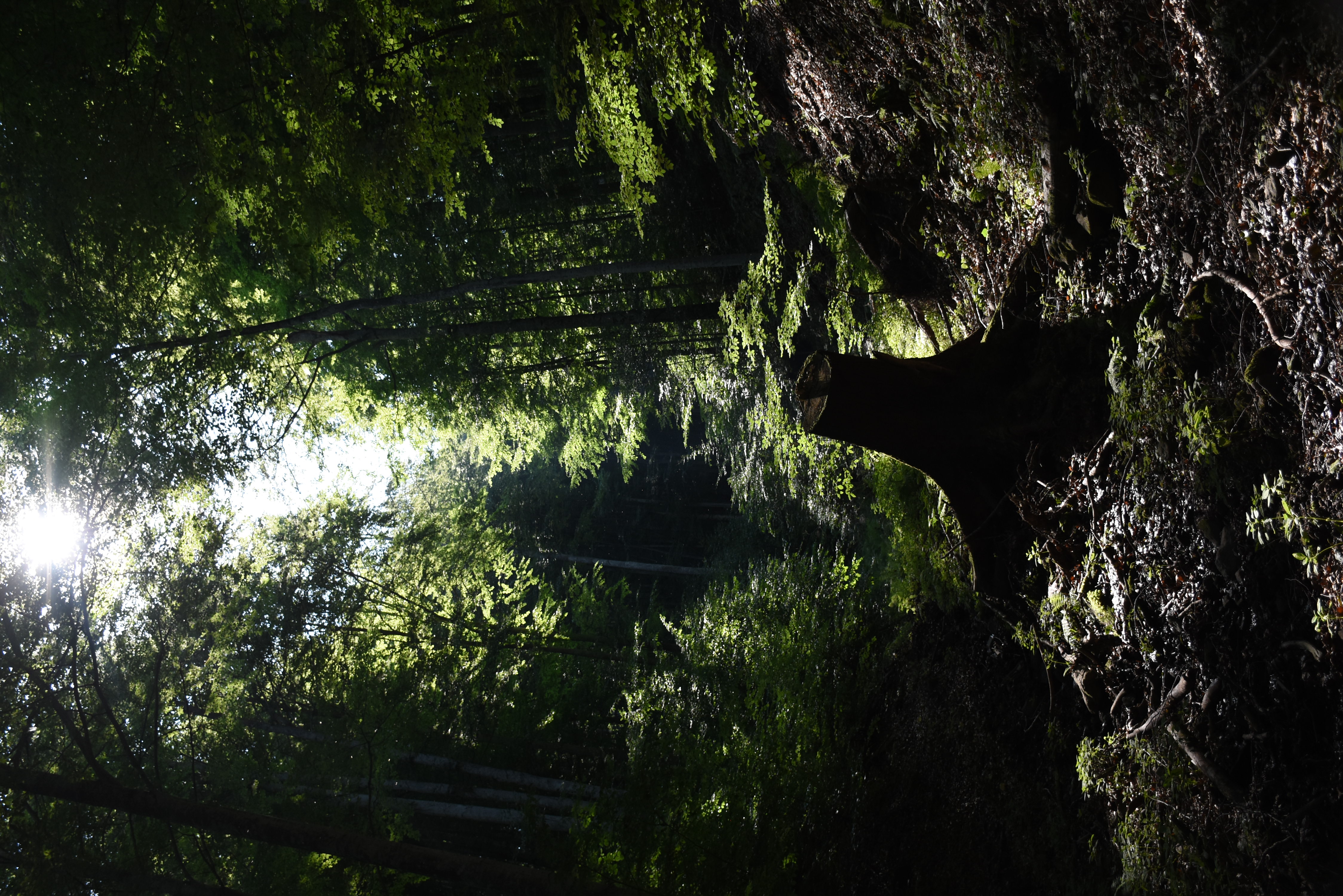
Mysticism and rituals are fashionable in the fields of art, science and new media. Zalán explains this by our unconscious need to connect with each other, and to reconnect with ourselves. Magic, and more broadly spirituality, is one of the most intimate things we have within us. Our beliefs characterise our instinctive need to belong, and our personal stories, when shared, sometimes become the legends that become part of the collective memory.
We live in a troubled era; today, more than ever, myths play an essential role in reconnecting with nature and humanity.
Thanks to artists like Zalán Szakács, we can continue to discover and live them, through their eyes and with poetry.
Artist
Project
Tisztàs
Related Projects and Articles
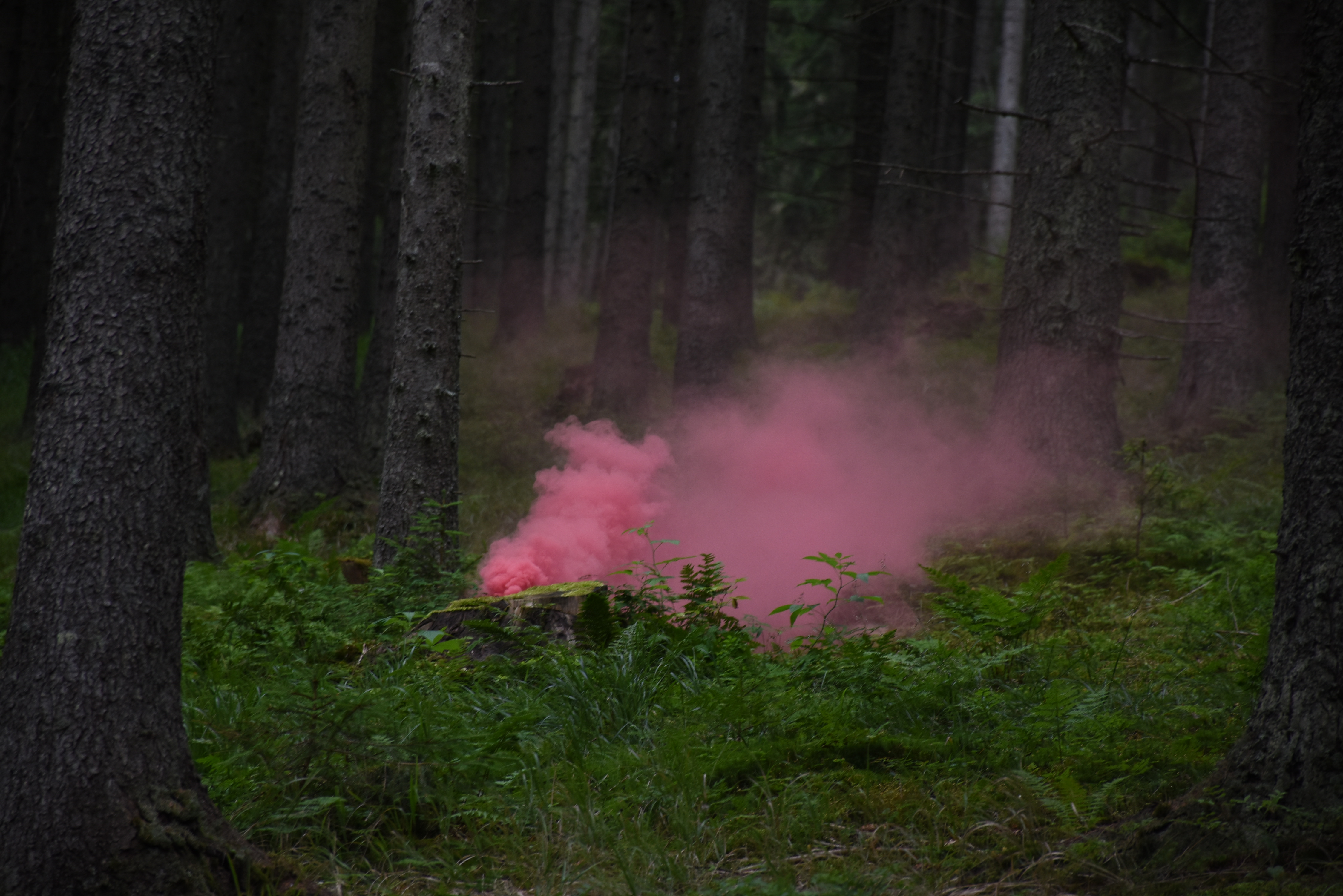
Tisztas / Behind-The-Scenes
Tisztás is an immersive and sensory art installation that aims to convey the natural atmosphere and mystical feeling of Transylvania.Read more