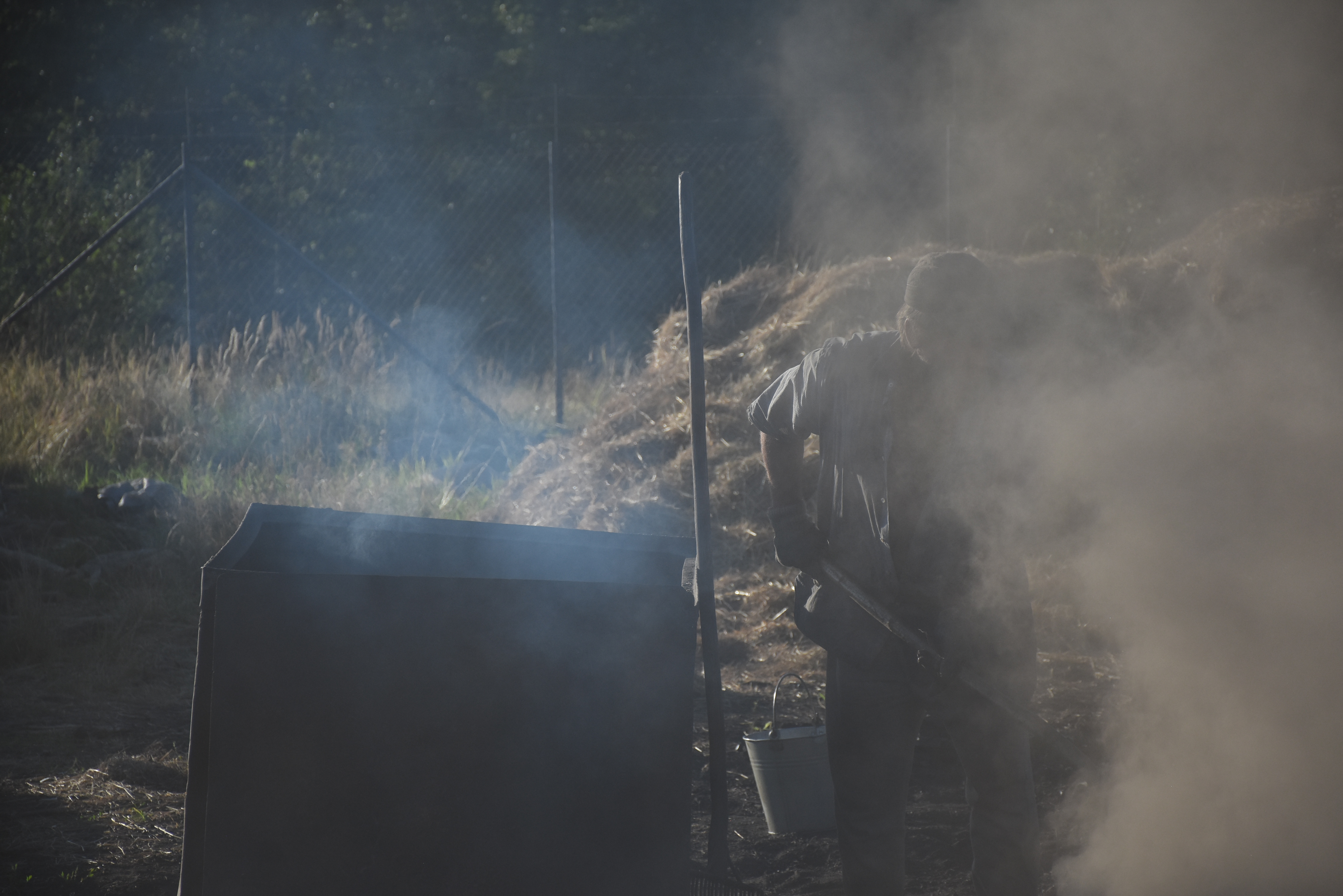
Transylvania.. The name evokes a world full of magic whose mythical monsters stir our imagination; terrifying, bloodthirsty, we associate it with a dark and romantic image, nevertheless inspired by local folklore. In reality, this territory located between the Carpathian Mountains and the Apuseni Mountains in the heart of Romania is full of landscapes and natural treasures worthy of the legends it harbours. Coveted by the Saxon, Roma, Hungarian and Romanian peoples, its culture and history are rich. Zalán Szakács is interested in historical subjects that fascinate through their obscurity. He deconstructs the elements of mystery to reconstruct them through an immersive art installation. Between reality and perception, Zalán offers us a perspective of the most enigmatic region in Europe.
Tisztas
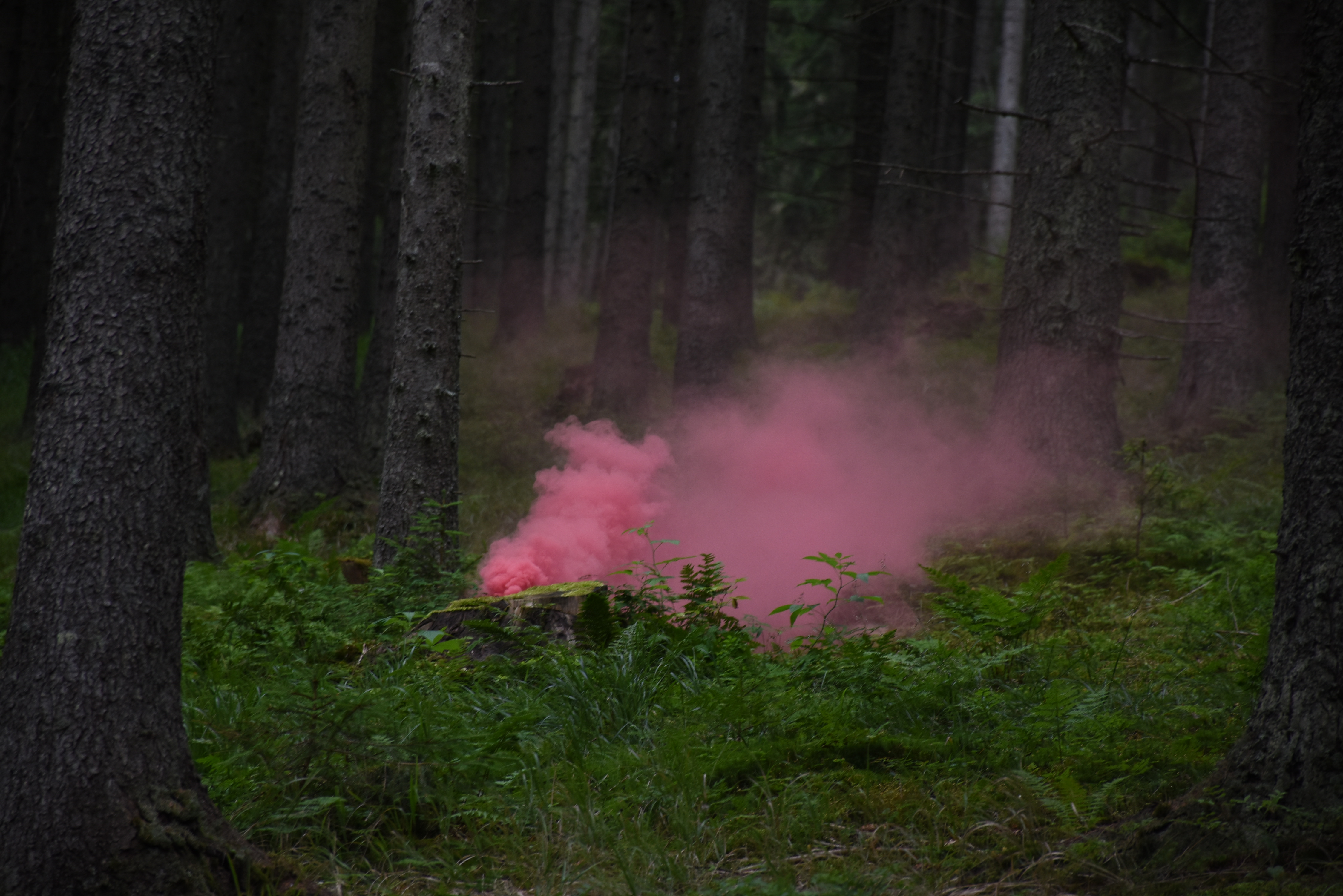
The genesis of the project comes from Zalán's personal interest in Transylvania, where he is originally from, and his attraction to mystical subjects; the artist had been interested in understanding the reasons why this territory is associated with paranormal phenomena, both in local and global popular culture. The idea came to him to create an installation around the myths of the forest to be compared with its natural ecosystem, and thereby underline its fragile ecological balance. Entitled Tisztás, which means forest clearing in Hungarian, it refers to a space for contemplation and introspection surrounded by trees.
His practice is based on design and media archaeology methods ; when he approaches a subject, he looks at existing research and then dissects and analyses each element to understand its different aspects. This ranges from the simple mechanism of a tool, to its political or cultural impact. Art history helps him to interpret how society has integrated the device in question at a given moment, and how its perception has evolved over time. Zalán seeks to understand the effects on ourselves as contemporaries, the collective memory, and the technologies we use. Once this process is complete, the artist reconstructs these elements in an immersive and sensorial installation through which he transmits his own vision.
So this is how Zalán proceeds: he starts by learning about the different localities and the ethnography, while leaving room for the discoveries he will make during his trip there. He then gets in touch with Jozef Bartha, a curator from Târgu Mureș, a central city of the region, who helps him to organise the trip by putting him in touch with guides and other artists and advising him on the itinerary. Indeed, Zalán tries to avoid touristy places and to focus on rural areas to guarantee the maximum authenticity of the elements to be collected. Once the preliminary stages of the project are launched, he surrounds himself with European artists and researchers specialising in video, sound, photography, smell, design. It is July 2022, and the team is ready for a 10-day excursion into the Romanian countryside.
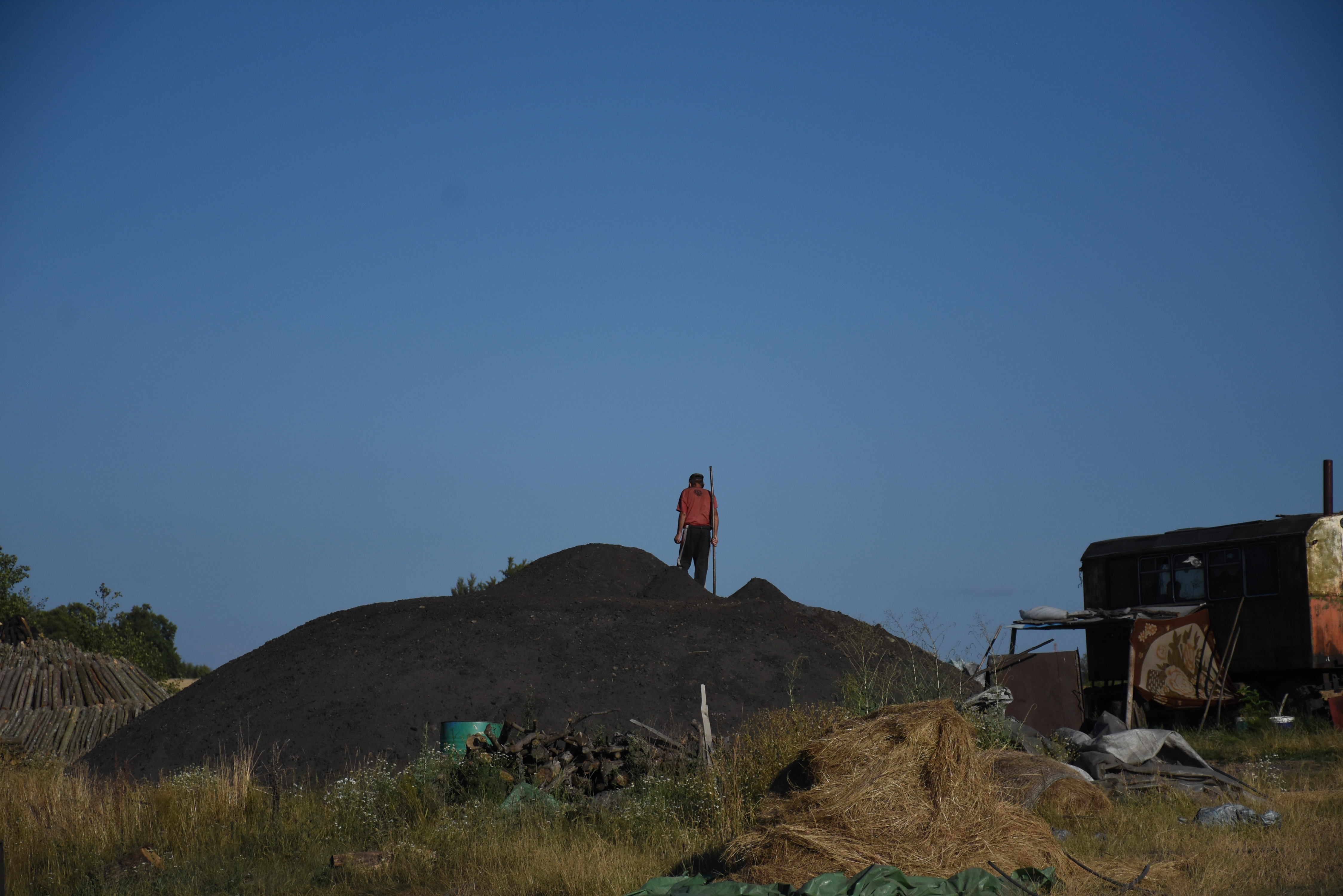
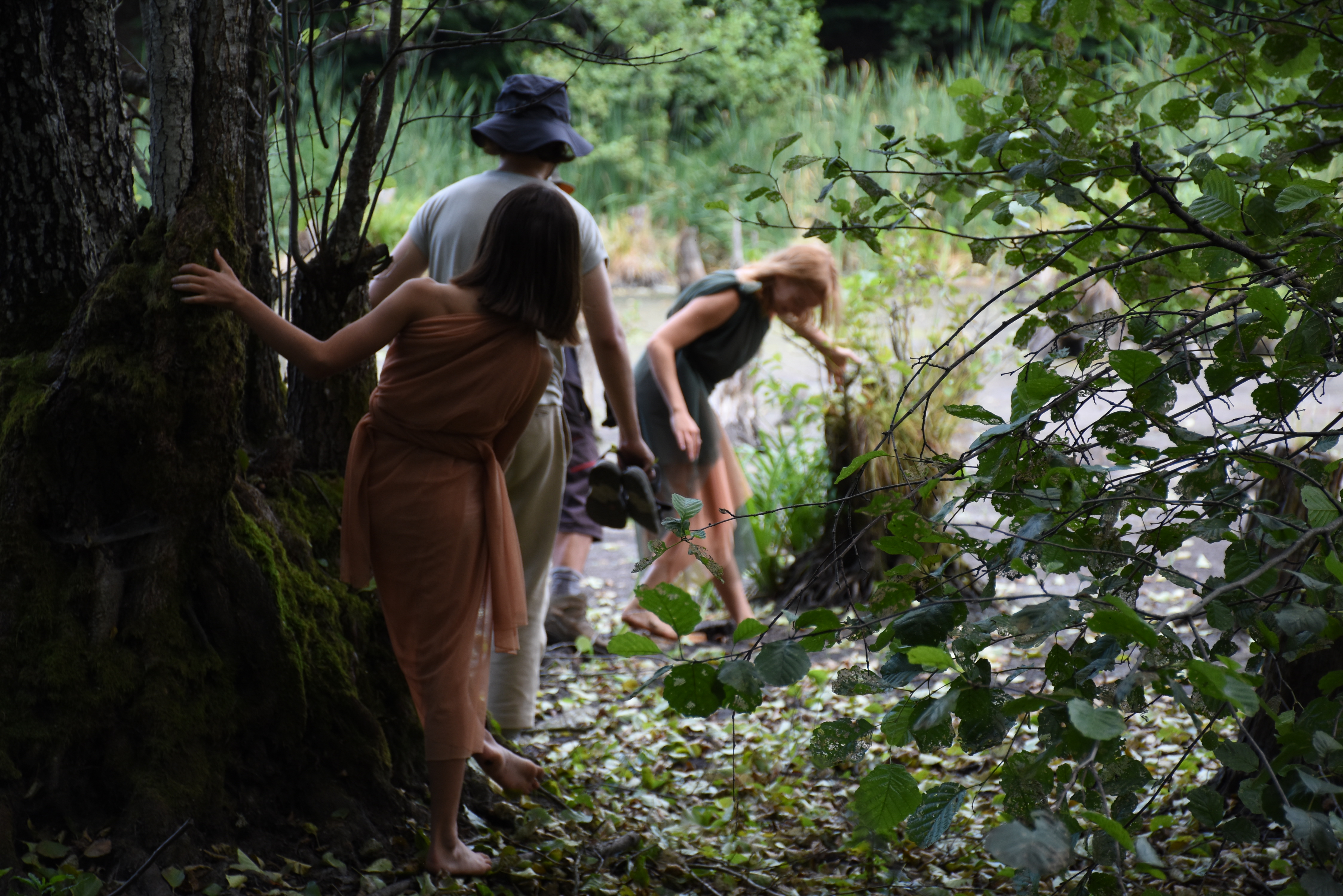
Zalán plans the tour, arranges meetings, writes interviews, and prepares for the unexpected. At every opportunity, the group immerses itself in nature to fully experience and appreciate the impact of the environment on cultural practices. But the presence of a guide in rural and mountainous areas is recommended to ensure the protection of the group from wild animals and to communicate with the inhabitants of the villages. The lack of information and infrastructure contributes to the image of a Transylvania inhabited by a strange and dangerous nature, whose secrets are known only to the locals. The journey gradually becomes an organic one, in which spontaneity is the order of the day; routes are deviated, encounters are postponed, and new characters are added to the group for a few hours.
The places the group is about to discover have a rich history of urban legends, myths, and scientific curiosities. The adventure begins in the village of Campul Cetatii, and its surroundings where they take photos, videos and 3D LiDAR scans. Here, they work to recreate a fairy tale that depicts a magical lake that grants eternal youth. But Zalán's chosen lake has turned into a swamp, and heralds a new and previously unseen artistic approach; the impact of global warming, a vision that will accompany the group throughout their stay, and which cannot be ignored in the future.
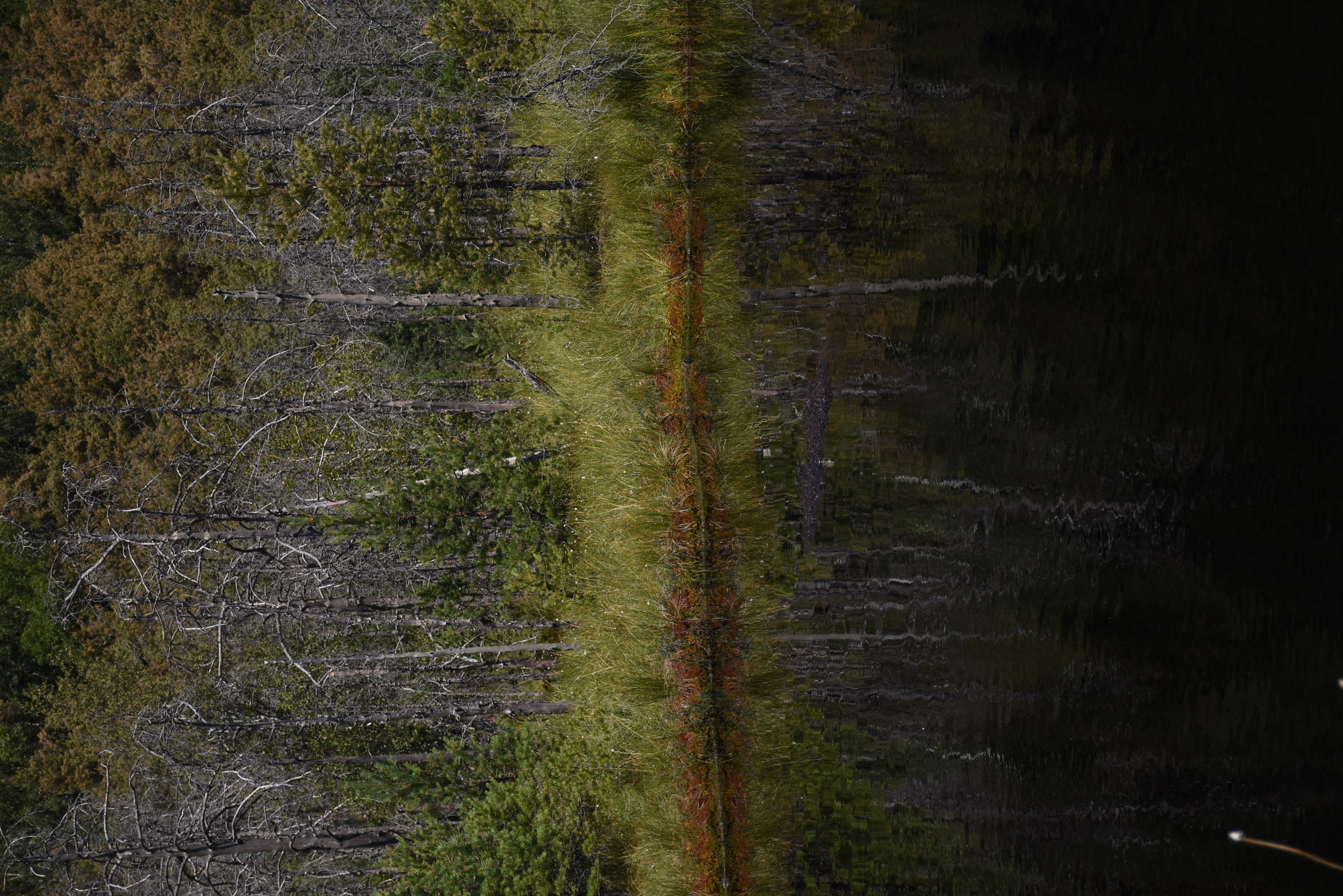
The next stops are the high altitude volcanic lakes Sfânta Ana, and Tinovul Mohos, each on a different mountainside. Although linked by the same volcano, these lakes are opposites; the first was once known for its beauty, clarity and the richness of the ecosystem that surrounds it, while the other, black in colour, is deadly to both the vegetation and those who dare to venture too close. What could be the scene of a horror film is in fact an exceptional phenomenon; the blackness is due to the layers of coal formed by the blocks of ash from the erupting volcano, and its toxicity to the quantity of sulphur present. The villagers avoid the area because they lose their cattle. Here, Zalán and the sound artist take the opportunity to record the sound of the water; without minerals or oxygen, it is silent, a unique phenomenon.
As for Sfânta Ana, the ecological situation is deteriorating for several reasons; an invasive species of fish and the proliferation of algae, which is said to be due to the communist administration. The tourist craze has not helped matters.
But in the mountains of Harghita, in the "Pestera Sulfuroasa", the team offers us the best example of mythological creation. All kinds of apparitions can be seen here, and the place has a sinister reputation: many people have come here to kill themselves. In reality, the cave is a mofeta, a natural opening in a volcano from which natural gases escape. In this case, it is strong sulphur fumes, recognisable by their nauseating smell and the yellowish markings on the walls. No vegetation can withstand it either. Inhaling this gas can be fatal, a simple solution for those with incurable diseases for whom medicine was once powerless. When the temperature is high, the gas causes mirages, explaining the possible ghosts seen near the cave. Today, this place has become a health resort, and the gas emanations in the cave and the surrounding water sources are useful for treatments related to blood circulation.
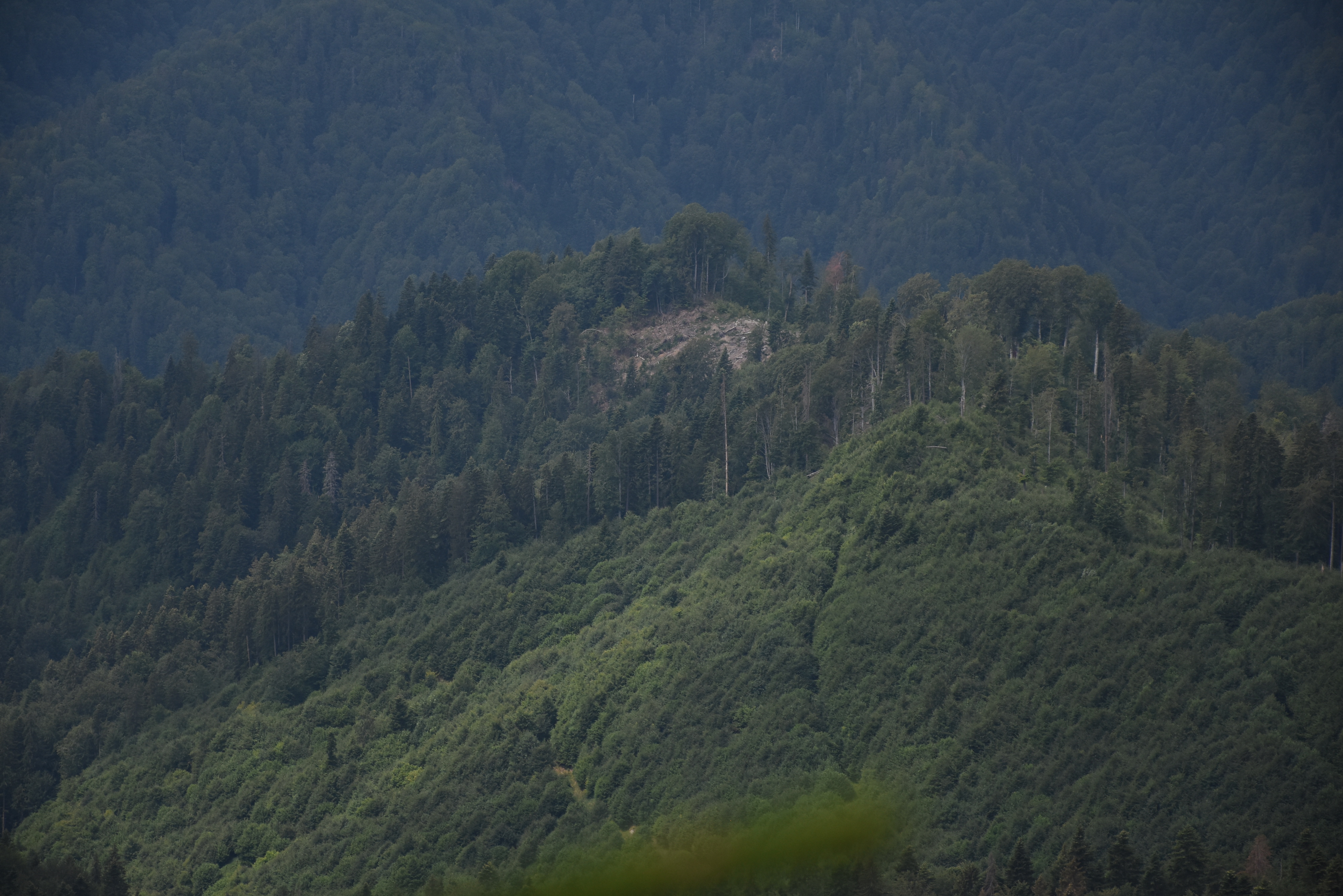
The field trip ends in the Ghimes valley, near Moldova. Little known, it is said that the population lived in the forests and mountains, sheltered from the world and in complete freedom. But in the 19th century, a period marked by political instability and the industrial revolution, the first major railway lines were built and with them the first major deforestation. Yet this part of Transylvania is relatively unspoilt. The natural diversity is unique. The population is superstitious and suspicious, aware of the impact of the stories the outside world tells about their region. Thus, Zalán has the opportunity to interview locals about rituals and beliefs, provided he is careful with the processing of information and does not create a new "Dracula"; he learns about new rituals, or that the Romanian language is preferred for casting spells, and that many of the legends related to the forest are similar. Only their name is different depending on the part of the region we are in.
Zalán is now working on a documentary that attests to the research process, and a sketch of the future installation ; a landscape that evolves over time through the use of natural materials, and the creation of elements such as wind and smoke. Each artist in the team is at work; extracting smells from the plants, images and sounds from the landscape. The idea would be to immerse oneself in it and even recreate the humidity of the air and the notion of time. The aim is to reconstruct the natural atmosphere of the Transylvanian forest and its mystical ambience, while conveying the oppressive character of the ecological disaster, but without making it informative.
Zalán Szakács has chosen to challenge our perception of the complex Transylvania, a country torn between Western modernism and ancestral traditions, whose mystical image is actively promoted by the whole world.
By triggering the workings of our imagination through our senses, he invites us to travel and encourages us to accept the darkness that resides in each of us.
Tamás Bodó
Cocky Eek - mentor/spatial artist
BJ Nilsen - sound designer
Klara Ravat - smell artist
Tamás Böjte - director of photography/editor
András Gábor - camera
Orsolya Portik - stylist
Milla Kata Kovács - performer
András Gáspár - tourguide 1
István Albert - tourguide 2
Csaba André - tourguide 3
József Bartha - curator Arteast B5 studio (Targu-Mures, Romania)
Related Projects and Articles