On the eve of the Great War, Norway was given very little consideration in international relations. The country even acquired a neutral status, like Switzerland, after long negotiations with the great European powers.
The latter, in a colonialist logic, dominate the whole world and control all fields of knowledge, from science to art.
Certain works were therefore not considered to have their true value, and so-called Western science, based on Cartesian methods, prevailed over all other forms of knowledge, including indigenous ones.
The limits of scientific theories as an artistic playground
28.02.22
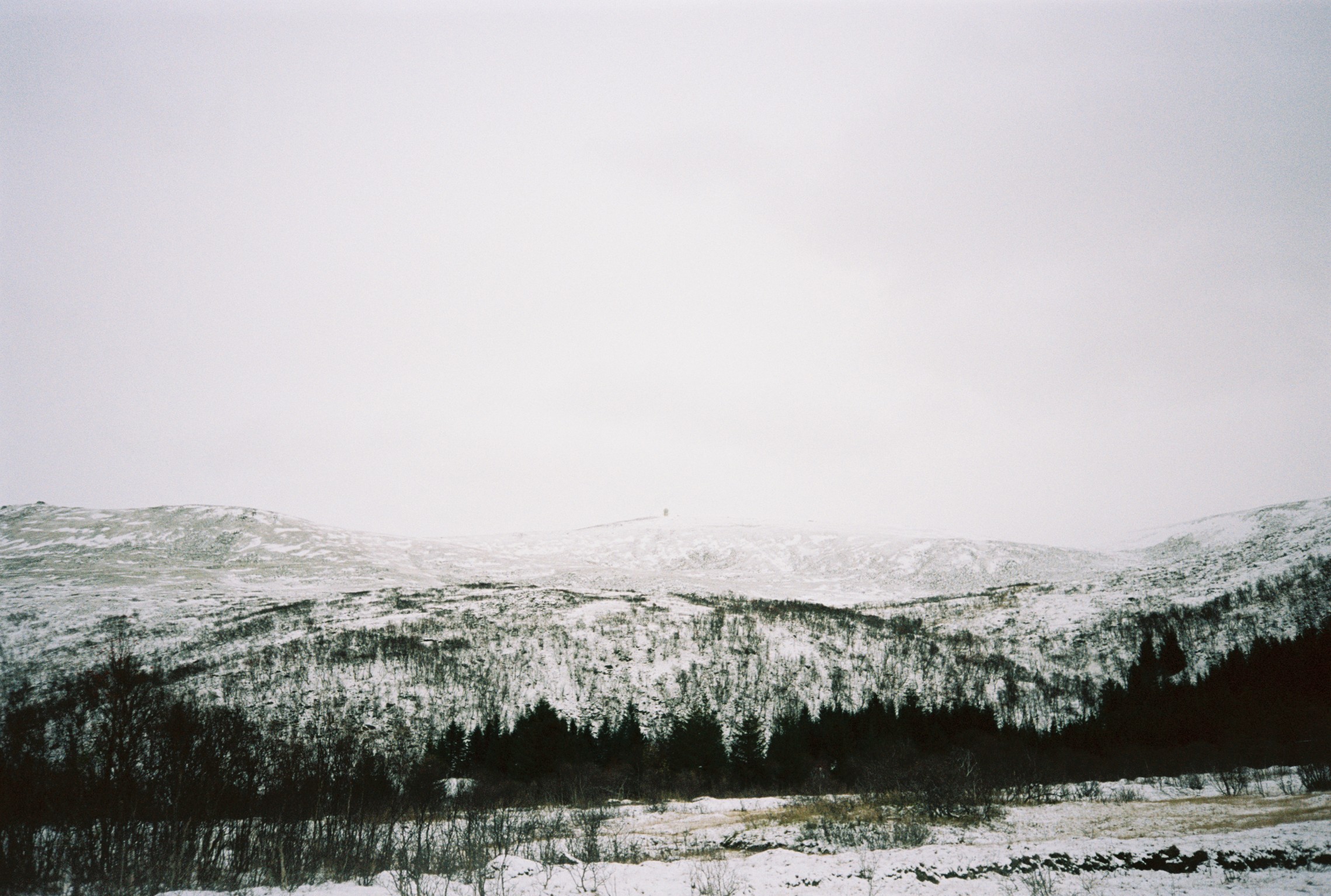
Kristian Birkeland, a renowned Norwegian physicist, succeeded in explaining the phenomenon of the aurora borealis in 1897, and in reproducing it, and then spent the rest of his life studying atmospheric electric fields. However, his work was not recognised by the international scientific community until 1957, when space exploration increased and the observation of auroral phenomena increased. It was also during this period that forgotten theories about the sound emitted by the aurora borealis resurfaced; prior to this, the idea of hearing a sound from 100 km above fell into denial.
Sébastien Robert retains three theories, and bases his artistic work on the last one:
- Some people are synesthetes: able to associate several senses, they hear what they see and vice versa.
- When the aurora borealis is powerful, it creates an electric discharge at a height of 80 m, causing a heavy noise, like a flash of lightning.
- The Northern Lights are natural radios, with the sound coming to us through natural elements.

Photo credit : Charlotte Brand
Through his projects, Sébastien brings together different visions with different knowledge. In The Lights Which Can Be Heard, we are confronted with several levels of reading; between myths and stories of the indigenous peoples of the Arctic, the revival of a little researched scientific theory, and the human impact on natural phenomena. The project is situated in a grey area, an ideal situation for the artist.
Each people has their own way of seeing the world; myths, legends and other stories bear witness to this. Sébastien observes other ways of seeing the world, and puts them into perspective with the Western view. First of all, he teaches us that we need to be open-minded in trying to understand others, and that the way we look at science and knowledge may be fundamentally different elsewhere. While we think we acquire knowledge through reading or human interaction, some cultures consider that Knowledge is already within us, passed down from generation to generation, and we trigger parts of it through our experiences. This explains the ceremonies and rites of passage to new phases of life.
The relationship with nature is also different; when we say we live on Earth, and think we dominate nature, others speak of being part of it. Hence Sébastien's wish to add a dimension related to the impact of humans on nature in his work. In the case of the aurora borealis, the radio waves are becoming less and less legible, as they are jammed by communication lines, particularly naval lines in the region. They are likely to disappear over time, and although Sébastien is not the only one who seeks to record them, he is keen to emphasise this aspect in his work.
In some cases, like Sebastian's, we see the limits of scientific research; theories persist but research does not go further. Today we are talking about a debate about radio waves that is still open, although we have the resources to answer the questions posed. Again, history teaches us that military and economic needs go hand in hand with research funding.

Our society is still based on the need to control our environment. Thanks to artist-researchers, we have access to alternative knowledge.
Through his projects, Sébastien Robert not only takes us on a journey, but also guides us along the path of otherness and encourages us to open up to ourselves.
Artist
Related Projects and Articles
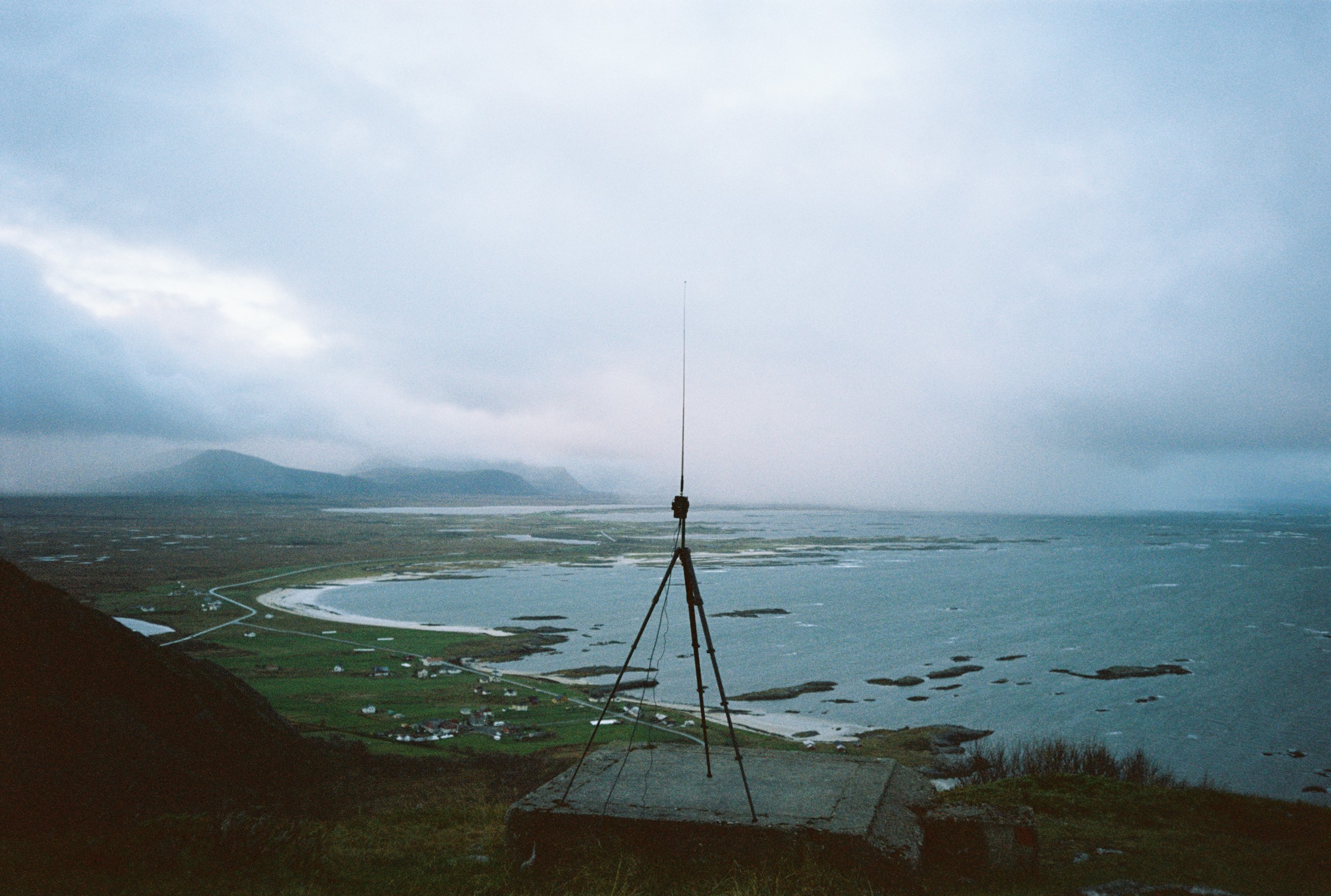
The Lights Which Can Be Heard / Behind-The-Scenes
The Lights Which Can Be Heard is a research project on the possible sound emitted by the Northern Lights, and the related musical traditions of the indigenous peoples of the Arctic.Read more